Technically, icing sugar doesn’t “spoil” like dairy—you won’t get food poisoning from it. But it can absorb off-flavors from your pantry. Got a bag of onions nearby? Your frosting might end up tasting like onion latte. Yes, that’s a real thing, and it’s as gross as it sounds. Keep it away from strong-smelling foods, or invest in a decent airtight container.
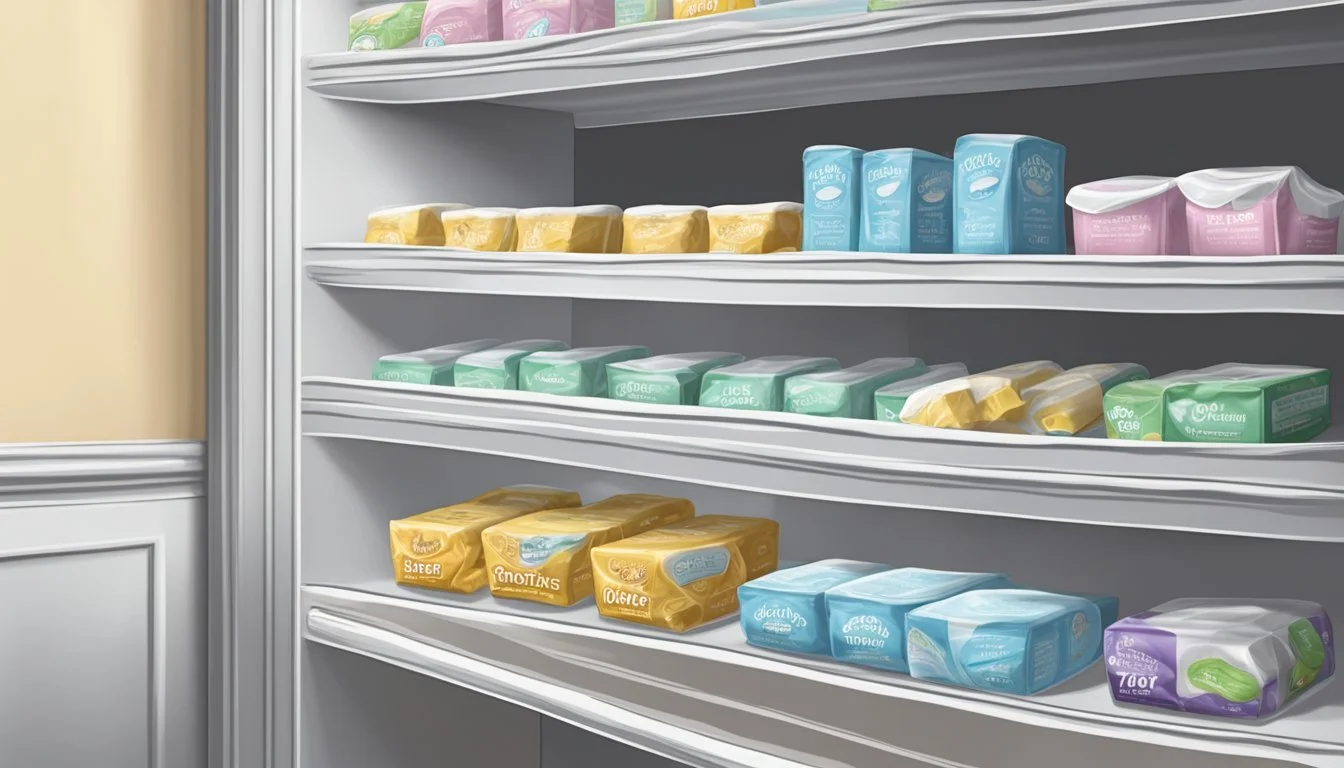 Icing Sugar Shelf Life: How Long Does It Last and Storage Tips
The biggest risk is clumping and hardening. If you can’t break the lumps with a fork or a sieve, the sugar won’t dissolve properly in your recipe. That means gritty frosting and sad cakes. And honestly, life’s too short for gritty frosting—just buy a new bag.
My Personal Verdict
I now label my icing sugar with a date and store it in a mason jar right next to my flour. I also do a lump check every three months, like it’s a health checkup for my pantry. It sounds obsessive, but it saves me from rolling-pin rage.
So, next time you reach for that dusty bag in the back of your cupboard, take a second to inspect it. If it’s soft and powdery, you’re golden. If it’s a solid brick, thank it for its service and toss it. Your baking—and your rolling pin—will thank you.
And if you ever find yourself smashing icing sugar with a rolling pin while your kids laugh, just remember: you’re not alone. We’ve all been there. Now go buy a fresh bag and make those cookies.