Imagine your tap water as a wild house party. You’ve got the usual suspects: chlorine, sediment, and maybe a little rust from old pipes. These are the party crashers nobody invited.
The filter is your bouncer. It uses something called activated carbon, which is basically charcoal that’s been “woken up” and made extra porous. Think of it like a slice of burnt toast with a million tiny caves inside.
As water rushes past, those caves trap the bad stuff. Chlorine gets grabbed by the carbon’s surface, while bigger particles like dirt get physically blocked. It’s like passing through a maze where only the clean water knows the shortcuts.
The Secret Ingredient: Tiny Pores and a Little Bit of Attraction
Here’s the funny part: the carbon doesn’t just slap a filter screen over the water. It actually attracts certain chemicals. This is called adsorption—with a ‘d’, not absorption. The bad guys stick to the carbon like gum on a hot sidewalk.
Meanwhile, good stuff like minerals usually get a free pass. Calcium and magnesium? They’re the cool guests who get to stay. The filter is not a snob—it just hates the taste of pool chemicals.
I remember once replacing my filter after six months and nearly fainting at the brown sludge that came out. The first few glasses afterward tasted like mountain spring water, and I actually said, “Thank you, plastic tube.” You don’t realize how much you miss fresh water until it’s back.
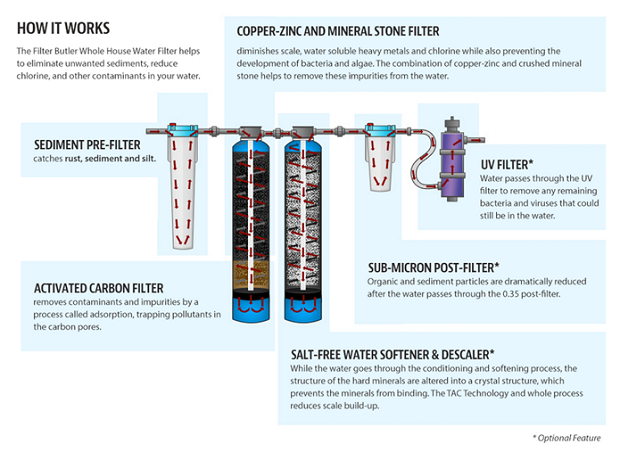 How A Homemade Water Filter Works