
Heat is a classic germ-fighter, but 30°C (86°F) is barely warm enough to cook a soft-boiled egg. Most harmful bacteria, like E. coli or Salmonella, start to die off above 60°C. So, why do we still claim a cool wash is effective? It’s because the detergent’s surfactants and enzymes do the heavy lifting, physically stripping bacteria away from fabric and into the water.
Think of it like a spa day for your clothes—minus the steam room. The rinse cycle then flushes those dislodged germs down the drain, leaving your load significantly cleaner. Fun fact: A study from the University of Bonn found that a 30°C cycle with a good detergent removes over 99% of bacteria from cotton. That’s a pretty solid batting average.
But here’s where culture and caution collide. In many European homes, the 30°C wash is practically a national sport—saving energy and preserving fabrics. Meanwhile, some folk still swear by a weekly 60°C “boil wash” for bedding, a habit passed down from grandmothers who saw hot water as the only true disinfectant.
When 30 Degrees Isn’t Enough
Not all laundry is created equal, and your gym kit is a prime example. Sweat-soaked sportswear can harbor Staphylococcus and odor-causing bacteria that thrive even at cooler temps. If you’ve ever pulled on a “clean” workout shirt and caught a whiff of last week’s spin class, you know the struggle.
Similarly, underwear, towels, and baby clothes—anything that touches bodily fluids—deserves a bit more heat. A 40°C wash is often the sweet spot for balancing hygiene and fabric care. For truly germ-phobic moments, like after a stomach bug, go for 60°C with a bleach-based detergent. That’s your nuclear option.
Pro tip: Don’t overload the machine. Crammed clothes don’t get enough water circulation, which means bacteria get a free ride. Leave room for a proper dance party in the drum.
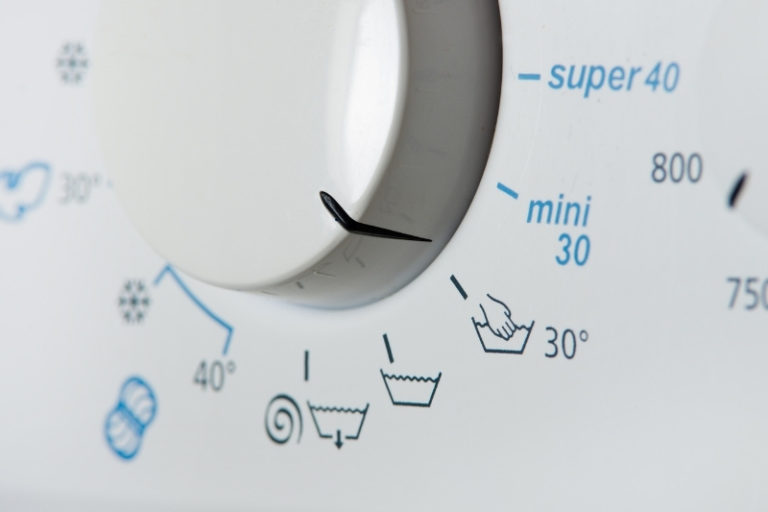 Does Washing at 30 Degrees Kill Bacteria?

