Is All-purpose Flour The Same As Self-rising Flour
Baking is a delightful activity that brings people together, and having the right ingredients is essential to creating delicious treats. One common question that arises in the...
Baking is a delightful activity that brings people together, and having the right ingredients is essential to creating delicious treats. One common question that arises in the world of baking is whether all-purpose flour is the same as self-rising flour. The answer is no, and understanding the difference between these two types of flour can make a significant impact on the outcome of your baked goods.
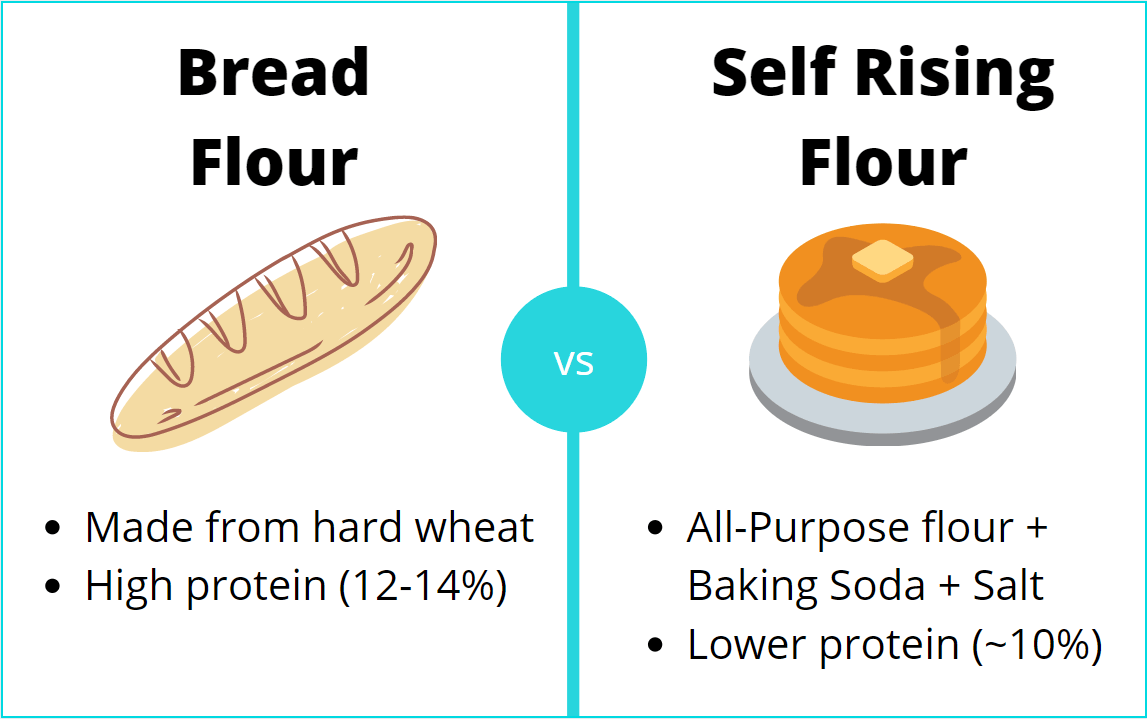
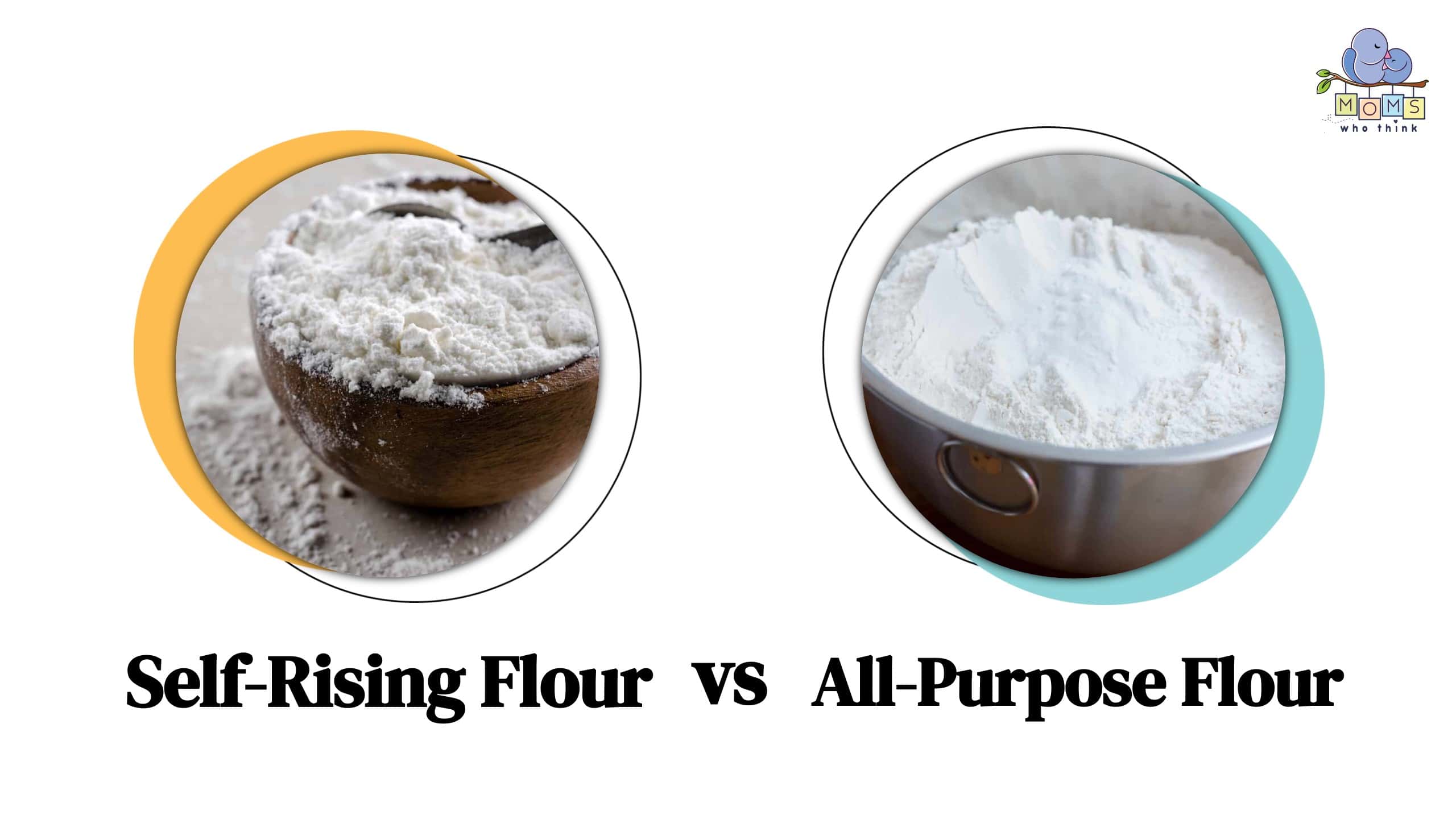
All-purpose flour is a versatile ingredient that can be used in a variety of recipes, from cakes and cookies to bread and pastries. It is a blend of hard and soft wheat flours and has a neutral flavor, making it a great choice for many different types of baked goods. On the other hand, self-rising flour is a type of flour that already contains baking powder and salt, making it a convenient option for recipes that require these ingredients.
One of the main benefits of using self-rising flour is that it saves time and effort in the kitchen. With this type of flour, you don't need to worry about adding baking powder or salt to your recipe, as it's already included. However, it's essential to note that self-rising flour is not suitable for all recipes, and using it in place of all-purpose flour can affect the final result.
For example, if you're making a cake or cookies, all-purpose flour is usually the better choice. But if you're making biscuits or quick bread, self-rising flour can be a great option. To get started with using these types of flour, try experimenting with different recipes and see which one works best for you.
To make the most of your flour, always check the recipe to see which type of flour is recommended. If you're unsure, you can also consult a baking book or online resource for guidance. With a little practice and patience, you'll be baking like a pro in no time!