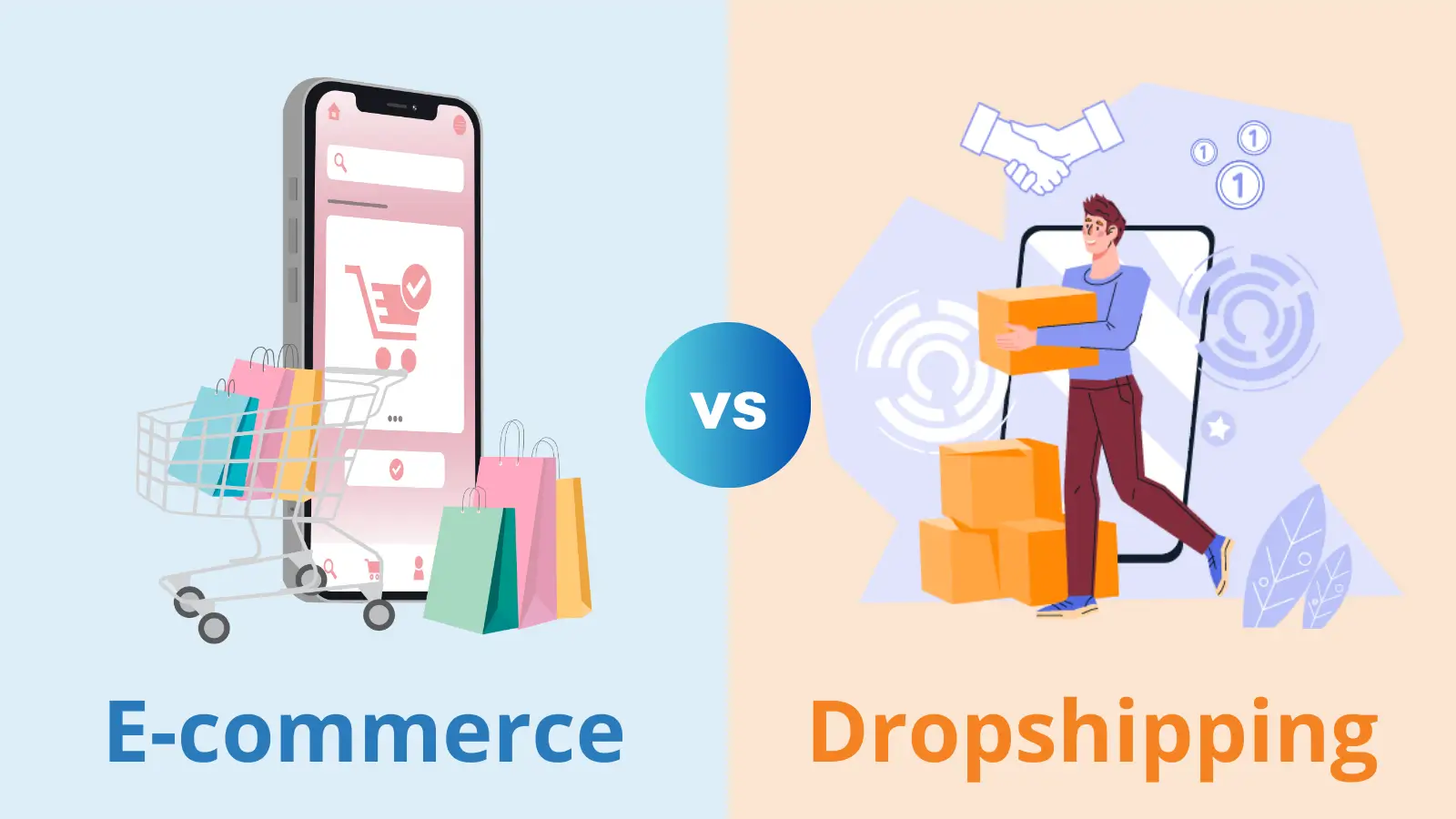
Let's say you want to start an online store selling fashionable sneakers. You create a website, add some cool sneaker designs, and set prices. When a customer places an order, you send the order and payment information to your supplier, and they ship the sneakers directly to the customer. You, the seller, never actually see or touch the sneakers, but you get to keep the profit from the sale.
This business model is low-risk because you don't have to invest in inventory upfront. You only pay for the products you sell, and you don't have to worry about storing unsold items. It's like having a test drive for your business, where you can try out different products and see what works without losing a lot of money.
But, dropshipping isn't without its challenges. Since you're not in control of the shipping, you have to make sure your supplier is reliable and can deliver products on time. It's like trusting a friend to pick up your favorite coffee on the way to work - you hope they show up with the right order! To succeed in dropshipping, you need to find a supplier who is trustworthy and has a good track record.