
The filmmakers scouted the entire Atlantic coast for the perfect small town, and Martha’s Vineyard basically waved its hand and said, “Look at me, I’m your Amity Island.” They fell in love with its quiet beaches, rickety docks, and locals who probably smelled like salt and sunscreen. It was so perfect that they didn’t even need to build fake storefronts—just slapped some new signs on real ones.
If you visit today, you can still walk down the same streets where Chief Brody grumbled about closed beaches. The grocery store where he buys his kids’ ice cream? Still there. The ferry landing where the shark first munch on a skinny-dipper? Yep, same spot. It’s like walking into a living postcard, except without the twenty-foot great white lurking under the pier.
Why Not Just Film in the Ocean?
Here’s the funny part: the actual deep ocean scenes were a nightmare. They tried shooting in the open Atlantic, but the weather was like a toddler throwing a tantrum—rain, fog, giant swells. The mechanical shark, nicknamed “Bruce” by the crew, kept breaking down, and the saltwater chewed through its hydraulics like candy.
So, they faked it. Most of the “ocean” you see in the film is actually shallow, calm water around Martha’s Vineyard. They’d drag the boat just a mile offshore, where the water was only thirty feet deep, and the bottom was sandy and boring. It’s like filming a rock concert in your garage—way easier, and nobody knows the difference.
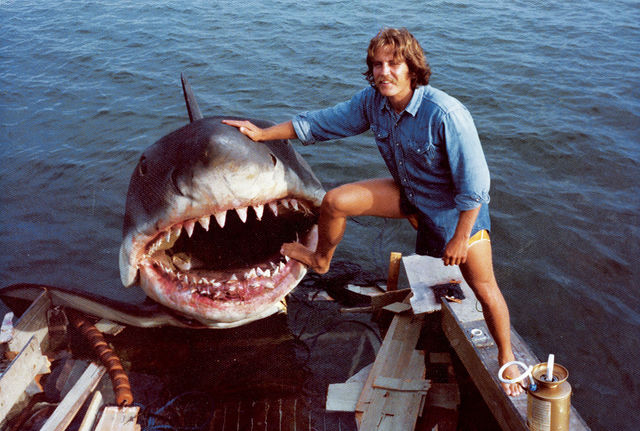 Interesting behind the scenes photos depict how "easy" it was to shoot

