Contrary to popular belief, Benjamin Franklin didn’t invent daylight saving time. He did write a satirical essay suggesting Parisians wake earlier to save candles, but the modern concept is a creature of the 20th century. Germany and Austria were the first to implement it nationwide in 1916, simply to conserve coal during World War I. The logic was brutally simple: shift the daylight to where people were awake, and burn less fuel. Britain, the U.S., and others quickly followed, and the practice has been tinkered with ever since.
After the wars ended, the system was largely abandoned—except in a few places. Then came the 1970s oil crisis, and suddenly the energy-saving argument felt urgent again. The U.S. made daylight saving time permanent for a brief, chaotic period in 1974. People hated it—kids going to school in pitch-black winter mornings caused a public outcry. It’s a reminder that while we love more evening light in summer, we’re less fond of darkness in the morning.
Today, around 70 countries observe some form of clock change. But the ancient, agricultural reasoning—that farmers needed the extra hour for the cows—is mostly a myth. In reality, farmers have long lobbied against the switch, arguing it disrupts livestock and harvesting schedules. The real beneficiaries have always been retail, tourism, and anyone who enjoys a sunset at 9 p.m.
The "Falling Back" Effect on Your Brain
That extra hour you gain in autumn? It’s not just a freebie. Your circadian rhythm, the internal clock governing sleep, hormones, and mood, is trained to run on a 24-hour cycle. Gaining an hour is generally easier on the system than losing one in spring, but it’s still a tiny jolt. You might wake up earlier, feel a bit groggy, or find yourself hungry at odd times for a few days.
Fun fact: Studies show a slight spike in car accidents on the Monday after springing forward, but falling back can actually reduce collisions for a short window. That’s because people aren’t driving to work in total darkness. However, the end of daylight time means earlier nightfall, which can trigger a mild seasonal mood dip for some. Light exposure is everything—so use those morning rays to reset your brain.
Want to hack the transition? Try this: on Saturday before the change, stay up half an hour later than usual. When you set your clock back Sunday morning, you’ll essentially be waking at your normal time. Also, avoid napping that Sunday afternoon—it’ll make Monday morning a slog. A brisk walk in the morning light is worth more than a cup of coffee.
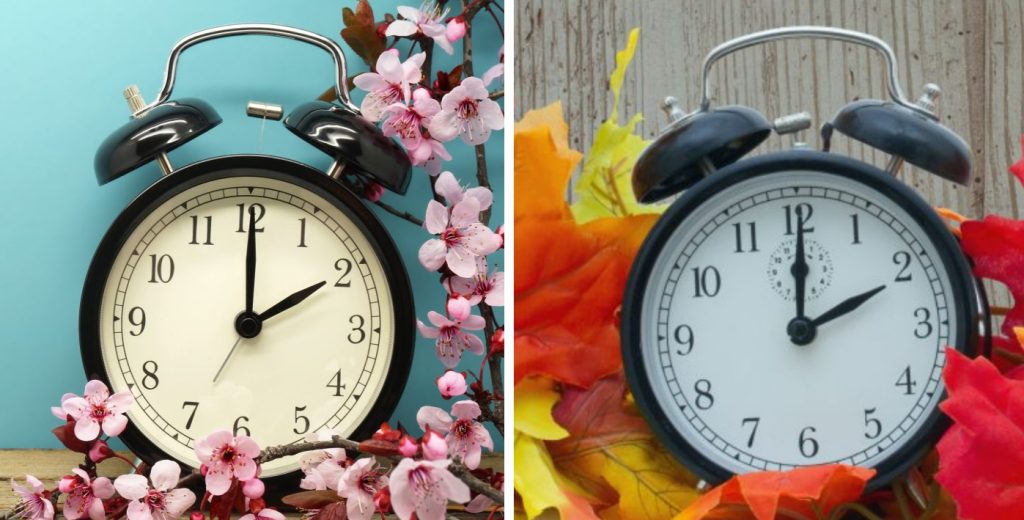 As we get ready to put the clocks back, we look at the Fors and