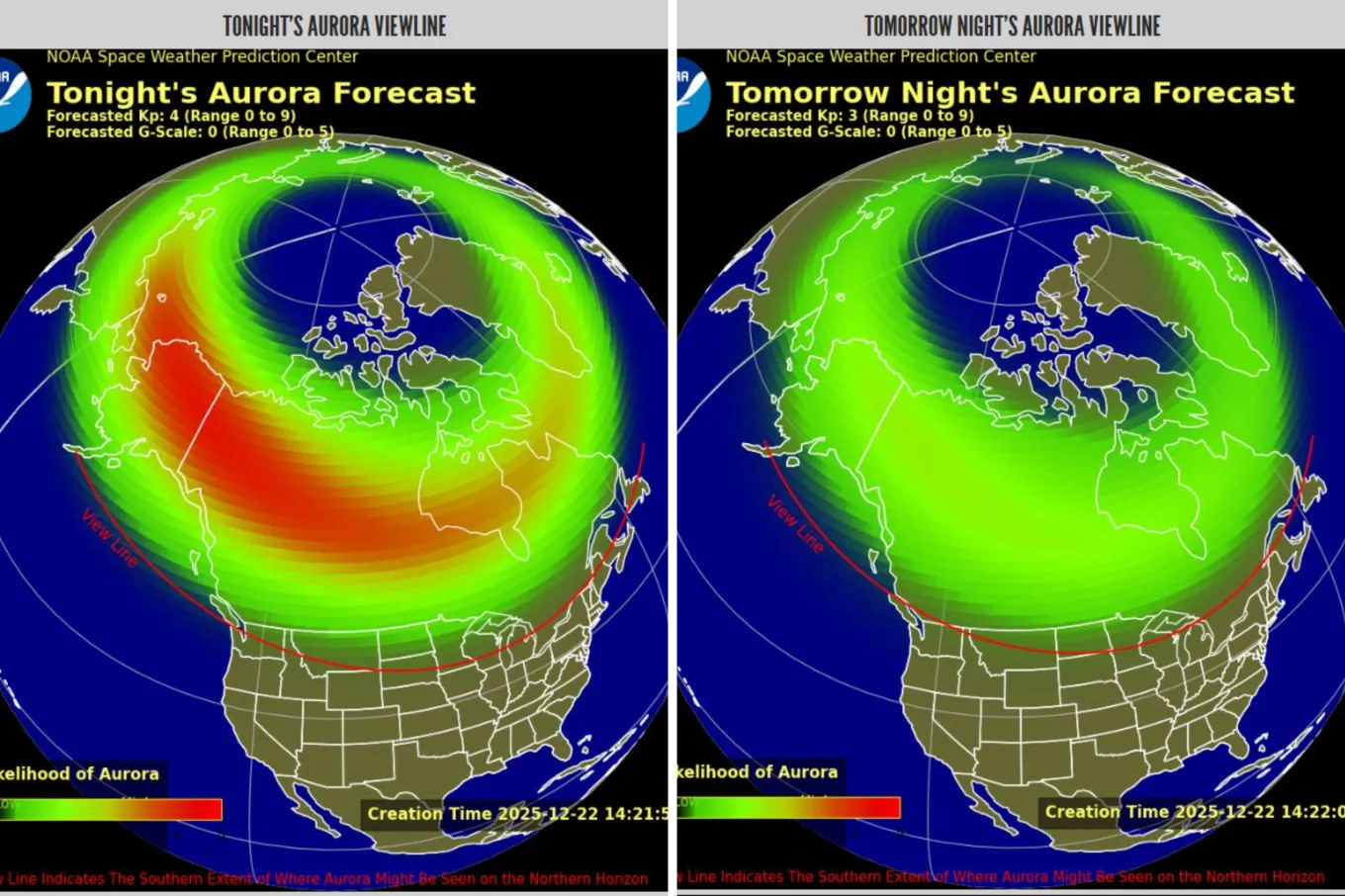
The honest truth? There is no set “showtime.” The aurora doesn’t run on a schedule like your favorite Netflix series. It’s a cosmic dance that depends on solar wind and magnetic fields—and neither of those cares about your bedtime.
Generally, the best window is 10 PM to 2 AM local time, with the peak often hitting around midnight. But here’s the kicker: “best” doesn’t mean “guaranteed.” Sometimes the lights pop off at 8 PM. Sometimes they wait until 3 AM, right when you’ve given up and pulled on your pajamas.
If you really want a sneak peek, check a live aurora forecast (like the ones from NOAA or the University of Alaska). They update hourly and tell you the KP index—that’s the geomagnetic activity level. A KP of 4 or higher is solid. A KP of 6? That’s the “drop everything” zone.
But Wait—Time Isn’t Everything
Here’s where most people mess up. You can have the perfect midnight slot, but if you’re standing under the glow of a Waffle House sign, you’re not seeing anything. Light pollution kills auroras faster than a cloudy sky. You need dark dark. Like, “your phone flashlight is the only light for miles” dark.
Also, clouds. Yes, clouds. Your apps won’t show you that. Check a weather radar (I use Windy or Clear Outside) for cloud cover within the hour. If it’s overcast, you’re out of luck. Sorry, bud. Move spots or plan for tomorrow.
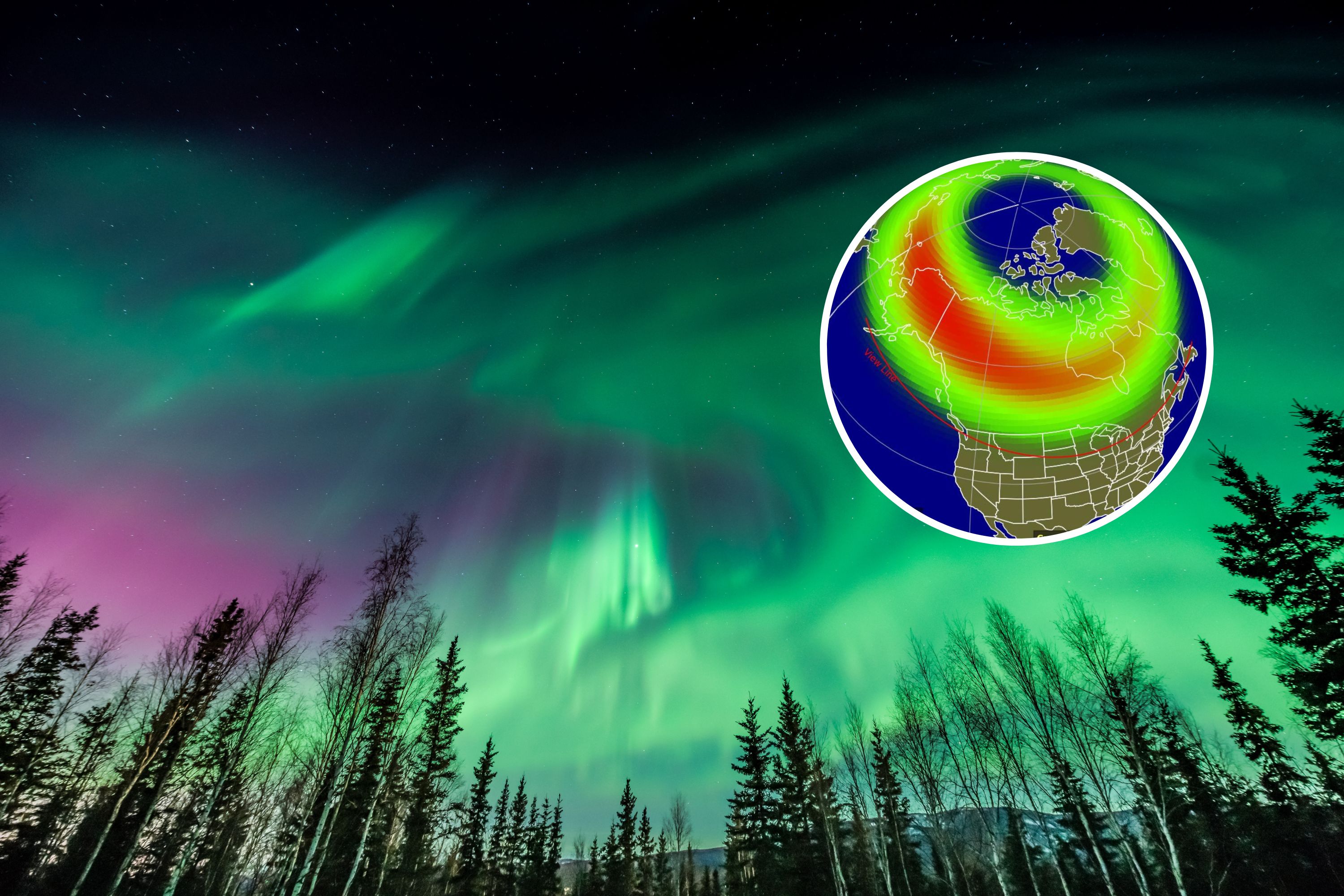 Tonight's Aurora Forecast: Northern Lights to Continue Over US - Newsweek
Oh, and one more thing: moon phase. A full moon is a beautiful liar. It lights up the snow, sure, but it washes out the aurora. Aim for a new moon or a crescent. Your eyes will thank you.

