
When the fly finally crawls out, it’s a soggy, crumpled mess. Its wings are wet and folded like a forgotten napkin. It has to pump fluid into its veins to inflate them, and it takes about an hour before it can even walk. Then, in a scene straight out of a buddy cop movie, it stands up, shakes itself dry, and thinks: “Now where’s the nearest pile of dog poop?” Because the adult fly’s only mission is to eat sugar, mate, and lay 500 more eggs before dying in two weeks. That’s it. No retirement plan. No hobbies. Just non-stop reproduction and regurgitation.
Let’s talk about that fly’s face for a second. Instead of chewing, it has a sponging mouthpart that works like a straw. It vomits digestive juices onto solid food to dissolve it, then slurps it up like a gross smoothie. So when a fly lands on your picnic, it’s not just touching you—it’s spitting on your sandwich first. Bon appétit.
 Maggots in Carpet: Eliminating the Issue at the Source
Fun Fact to Make You Squirm
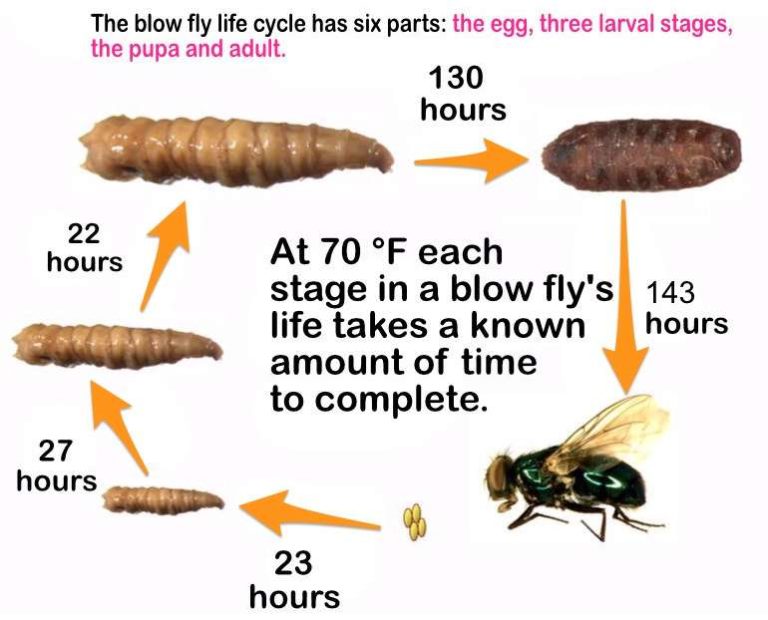
Here’s a surprising tidbit: a maggot’s lifecycle depends on temperature. In summer, it can go from egg to fly in just seven days. In a fridge, it might take two months. This is why forensic scientists use maggots to estimate time of death. They actually measure the age of the maggots on a corpse to figure out when the person died. So the next time you watch a crime show, remember: those wriggly actors are solving murders. They’re the unsung, squirmy heroes of forensics.
Also, flies have a superpower: they can taste with their feet. Their tarsi (feet) have chemical receptors that sense sugar and proteins. So when a fly lands on your arm, it’s essentially high-fiving your skin and thinking, “Eh, needs more salt.” This is why they’re so terrible at parties—they never compliment the host.

