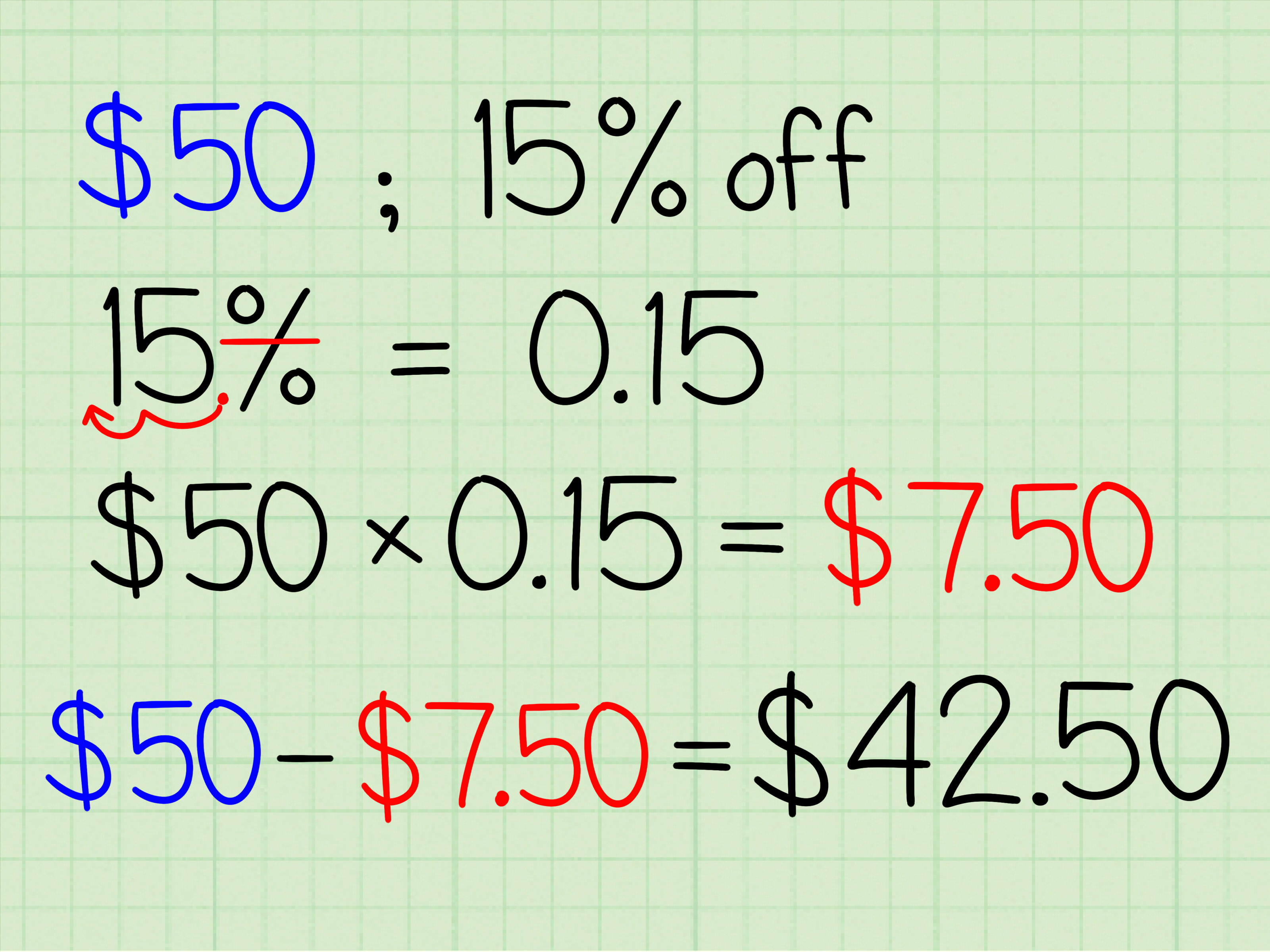
You see a jacket that costs $80, and it’s been marked down to $20. Your brain screams, “That’s a steal!” But how much of a steal? Apply the pizza method. The original price ($80) is your total. The discount amount ($60 off? No, wait—let’s do the part: the part is the $20 you actually pay). Actually, let’s find the percent you’re paying. Part = $20, total = $80. 20 ÷ 80 = 0.25. Multiply by 100: 25%. You’re paying only 25% of the original price. That’s a 75% discount. Your wallet just did a happy dance.
And here’s the golden rule: Always double-check your “part”. Is it the discount or the remaining price? Mix them up, and you’ll tell your friend you saved 25% when you actually saved 75%. That’s the kind of mistake that gets you laughed out of the coffee shop—or worse, the Black Friday line.
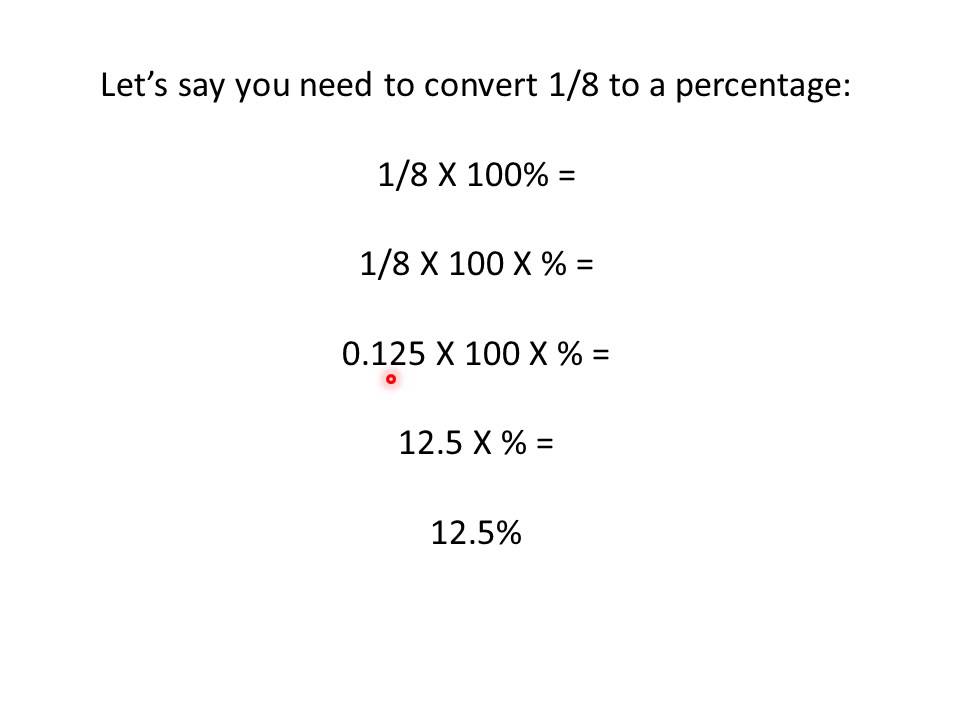 How to convert a number to a percentage - YouTube
What About Numbers That Don’t Play Nice?
Sometimes you get a fraction like 5/7 and you think, “I’d rather reorganize my sock drawer.” Don’t panic. Do the division: 5 ÷ 7 = 0.7142857 (a number that keeps going, like your Aunt Linda’s story about her cat). Multiply by 100: 71.42857%. Round it to 71.4% for sanity’s sake. Nobody—and I mean nobody—needs to know Aunt Linda’s cat statistics to six decimal places.
Pro tip: If the number is less than 1, like 0.3, just multiply by 100. 0.3 × 100 = 30%. If the number is greater than 1, like 2.5, same trick: 2.5 × 100 = 250%. That means you have more than the whole pizza. That’s either a superpower or a problem. Either way, it’s still a percent.

