
Our story begins in Ireland, of all places. A certain Dr. Thomas Joseph Cantrell, an apothecary and surgeon, gets the credit. The legend goes that he was experimenting in his shop in Belfast, basically trying to make medicine taste less like a punishment. He concocted a carbonated mix of ginger, sugar, and water. The result? A spicy, sweet fizz that was actually enjoyable to drink.
This was a huge deal. Back then, most fizzy drinks were created by pharmacists to mimic the natural bubbling of spring waters. You’d basically go to a pharmacy, order a “soda,” and hope it settled your stomach. Cantrell’s ginger ale was like the iPhone of 1851—everyone in Belfast wanted one. It was called “Cantrell and Cochrane’s Ginger Ale.”
But wait, there’s a twist. The first ginger ale wasn’t the golden, clear stuff you see today. It was a cloudy, dark, and intensely spicy beast—what we now call “golden” or “Jamaica style” ginger ale. Imagine a ginger beer that didn’t look like you could see through it. It had serious bite, the kind that makes your nose tingle and your eyes water.
The Canadian Who Changed Everything
Then, in 1904, a Canadian pharmacist named John McLaughlin decided to tinker. He looked at the Irish golden ale and thought, “This is great, but what if it was clear? What if it was milder, less of a punch in the face and more of a gentle pat on the back?” He basically wanted a ginger ale you could chug on a hot summer day without feeling like a dragon breathed in your mouth.
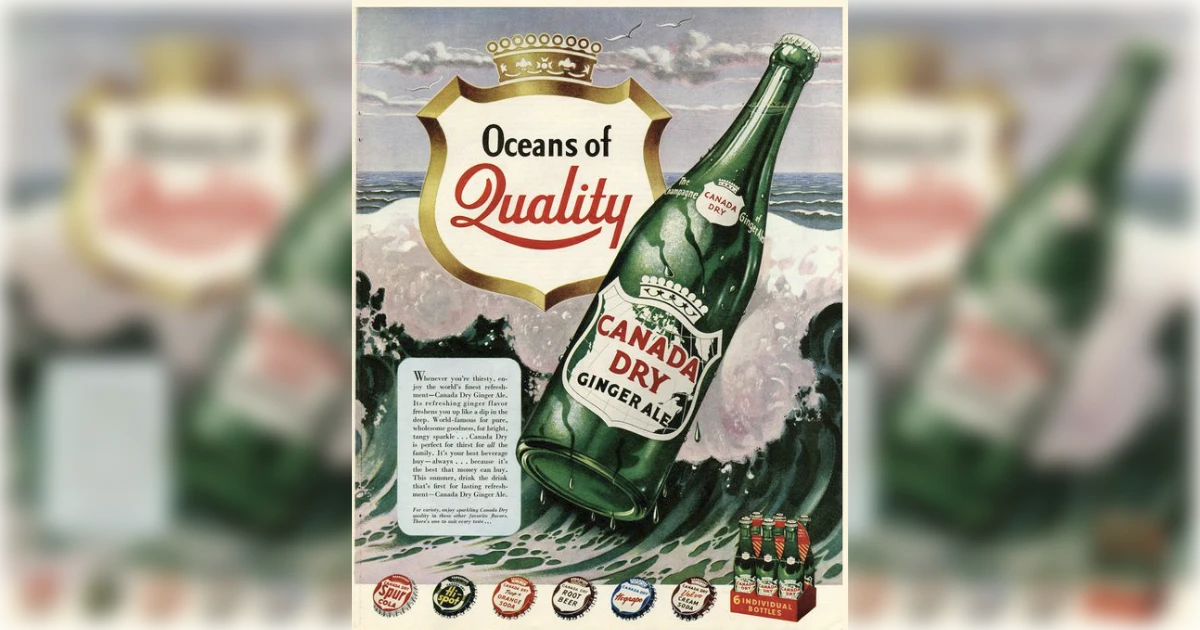 The Unknown History of Ginger Ale: From Belfast to the World
McLaughlin created Canada Dry, the pale, dry ginger ale we all know and love. He filtered out the cloudiness and dialed down the spice. It was an instant hit. Suddenly, ginger ale wasn’t just for sick people or daring taste buds. It became the “champagne of ginger ales,” a sophisticated drink you could serve at weddings or enjoy with a sandwich.
It’s kind of hilarious, really. One guy created a fierce, medicinal brew, and another guy made it safe for the suburbs. So when you crack open a can of Schweppes or store-brand soda today, you’re drinking a much tamer cousin of the original Irish firewater. It’s like comparing a jalapeño popper to plain pasta.

