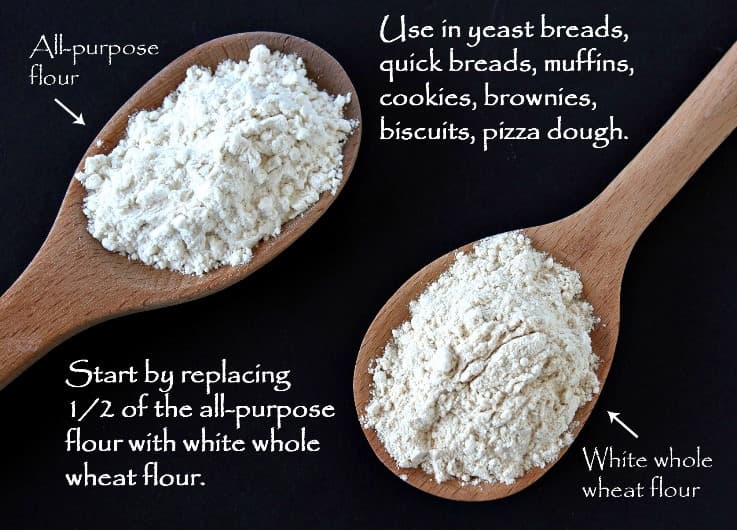
Good for: dense, hearty things like banana bread, oatmeal cookies, or rustic pizza dough that can handle a little muscle. The nutty flavor actually adds a pleasant bonus—like a warm, earthy hug for your taste buds. Your fiber-loving friends will thank you.
Bad for: delicate fluffiness. Don’t you dare use it for angel food cake, light croissants, or a buttery scone that needs to be tender. That’s like taking a baby to a mosh pit—everyone gets crushed. Pie crusts will get tough, pancakes will become dense little frisbees.
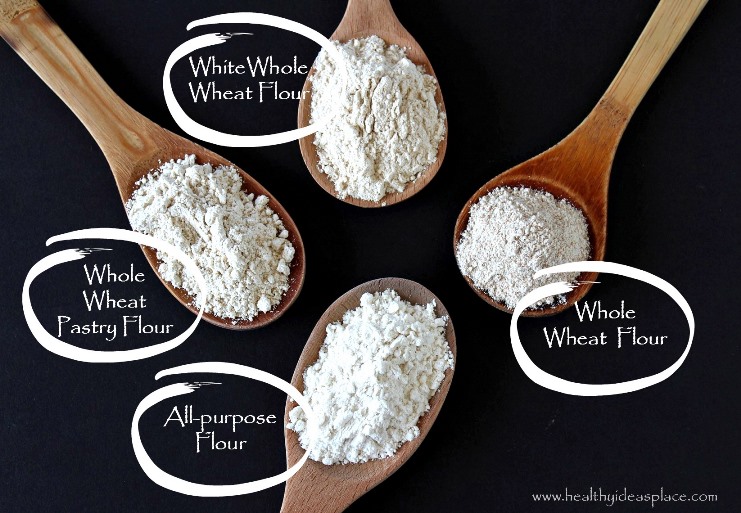 How to Substitute Whole Wheat Flour for All-Purpose Flour - Healthy
The Pro Tips Your Grandma Never Told You
First, always blend. Don’t go full whole wheat; start with 50% all-purpose and 50% whole wheat if you’re scared. I learned this after making a loaf of bread that could double as a doorstop. Literally held open my front door for a week.
Second, let the batter rest for 15-20 minutes before baking. The whole wheat needs time to absorb the liquid, or your muffins will taste like sandy disappointment. Third, add a splash of acid—a teaspoon of lemon juice or apple cider vinegar—to soften the gluten. It’s like giving your flour a chill pill.

