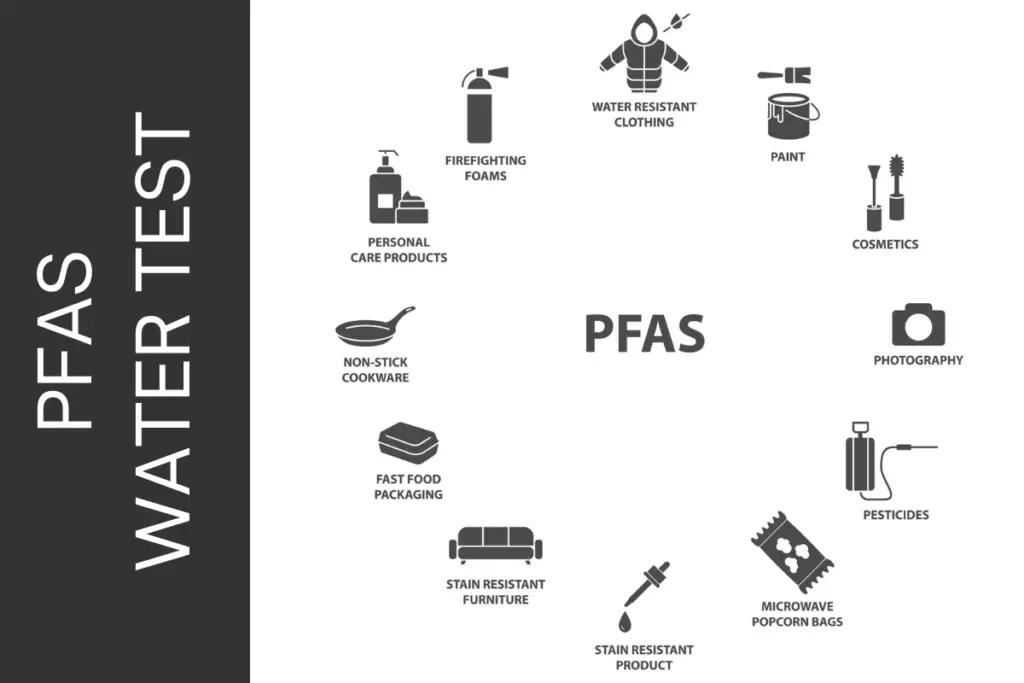
How To Test Your Water For Pfas
You’ve heard the buzzword PFAS—forever chemicals, the uninvited guests in your tap water. They’re the same compounds that made your non-stick pan slick and your raincoat water...
You’ve heard the buzzword PFAS—forever chemicals, the uninvited guests in your tap water. They’re the same compounds that made your non-stick pan slick and your raincoat waterproof, but now they’re crashing the party in your drinking glass. Time to kick them out.
Testing your water for PFAS isn’t as dramatic as a crime scene investigation, but it does have a similar CSI vibe. You’re collecting evidence, sending it off to a lab, and waiting for the verdict. The cool part? You don’t need a hazmat suit—just a kit and a bit of patience.
Start by grabbing a state-certified lab kit from an online supplier like Tap Score or SimpleLab. These guys make it idiot-proof: you fill a vial, seal it, and mail it back. Pro tip: avoid kits that only check for one or two PFAS types—look for a comprehensive test covering at least 14 compounds.
Why the rush? Because PFAS are like that ex who won’t leave town—they linger. A 2026 USGS study found 45% of tap water across the country contains at least one PFAS. That’s not fear-mongering; it’s a reason to become a water detective.
Your kitchen sink is the star witness. Collect the sample from the cold water tap after letting it run for two minutes—this guarantees you’re testing what actually flows through your pipes. Skip the fridge dispenser; it might filter out stuff and skew your results.
Culture check: remember when everyone was obsessed with “gluten-free” labels? PFAS testing is the new health-savvy flex. Only this time, the worry is real—linked to thyroid issues and immune effects, per the EPA. Spa water never felt so serious.
Fun fact: PFAS are called “forever chemicals” because they don’t break down naturally. They’ve been found in polar bears and Alpine snow. Your tap water isn’t being dramatic—it’s just keeping up with the global trend.
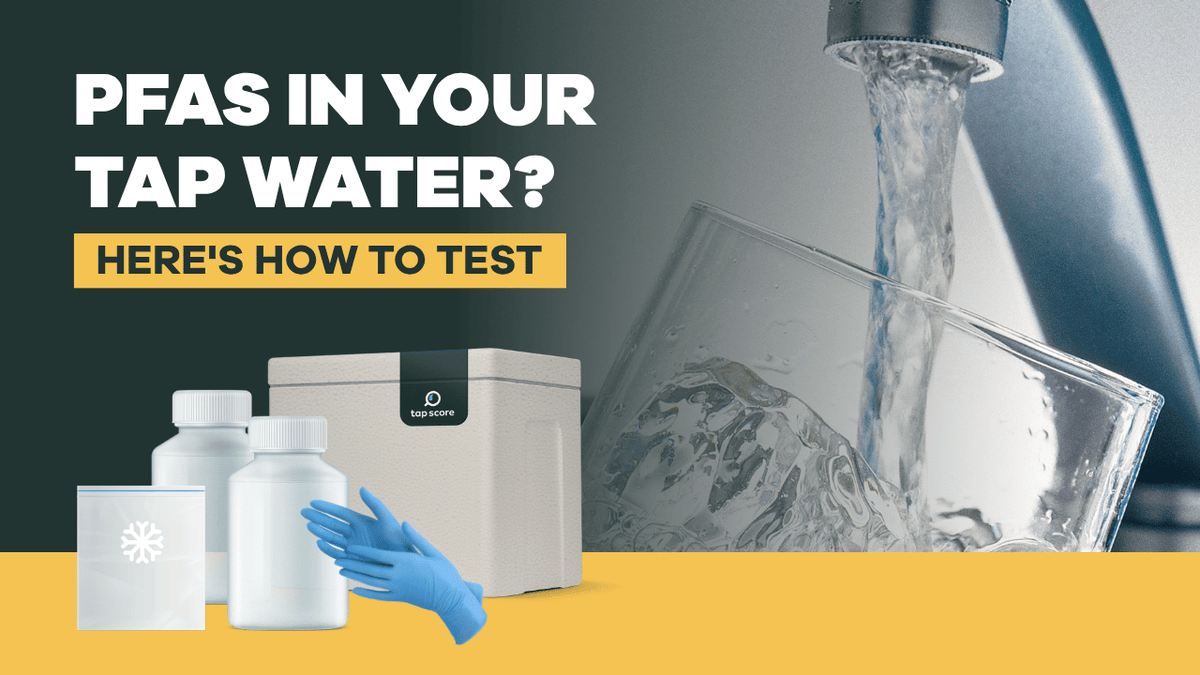 Lab Test Kits for PFAS in Drinking Water – Tap Score
Once the kit arrives, follow the instructions like you’re assembling IKEA furniture—slowly and without skipping steps. Fill the vial to the exact line, cap it tight, and label it with your address and sample date. Labs get hundreds of samples; be the one they thank.
Mail it back in the pre-paid box. Then comes the hard part: waiting 7 to 14 days. Use this time to binge-watch a show about contaminated water (Dark Waters with Mark Ruffalo is a classic). It’s edutainment, I swear.
When the results land in your inbox, don’t panic. The EPA’s health advisory level is 4 parts per trillion for PFOA and PFOS combined—that’s one drop in 20 Olympic-sized pools. You’re looking for “not detected” or very low numbers.
If your test comes back high, you’ve got options. First, install a granular activated carbon filter or reverse osmosis system under your sink. Brita pitchers? They’re okay for taste, but they don’t touch PFAS. Upgrade to a certified model from ZeroWater or Aquasana.
For renters, there’s a budget hack: fill glass bottles from a local refill station that uses advanced filtration. Think of it as water curation—your own personal sommelier for H2O. It feels fancy and costs pennies per gallon.
 Your Guide to Understanding PFAS Testing and Water Safety Standards
Fun fact #2: PFAS are so stubborn that they survived a 2018 experiment where scientists boiled water for 15 minutes. Boiling actually concentrates them—so don’t try to cook them away. You’re not a chemist; you’re a human who wants safe hydration.
What about well water? If you’re off the grid, testing is even more critical. Private wells aren’t regulated for PFAS, and contamination often comes from nearby airports or military bases. Test annually—your well is your secret garden, but it needs a bodyguard.
And here’s the lifestyle twist: awareness is the new luxury. Knowing your water is clean is like knowing your kombucha is organic—it lets you drink with zero side-eye. You’ll start reading labels on bottled water too, spotting PFAS in brands like Dasani (yes, really).
Now for the reflection part—because we’re not just testing water, we’re rewriting how we connect with the most basic element of life. Every morning, you pour a glass. That ritual used to be mindless. Now it’s a quiet act of agency.
You’re not just a consumer; you’re a curator of your own health. Testing your water is a small rebellion against the invisible, a way to say, “I’m paying attention.” And that’s the most modern, easy-going power move there is. Drink up, friend.

