Does Boiling Water Sterilize It
Okay, let’s dive into something we’ve all probably wondered while staring at a pot of bubbling water: does boiling it actually sterilize it? Or is that just a kitchen myth we’...
Okay, let’s dive into something we’ve all probably wondered while staring at a pot of bubbling water: does boiling it actually sterilize it? Or is that just a kitchen myth we’ve all bought into? I mean, we’ve seen survival shows where people boil river water, and our parents always told us to boil water for baby bottles. But what’s really happening inside those frantic bubbles?
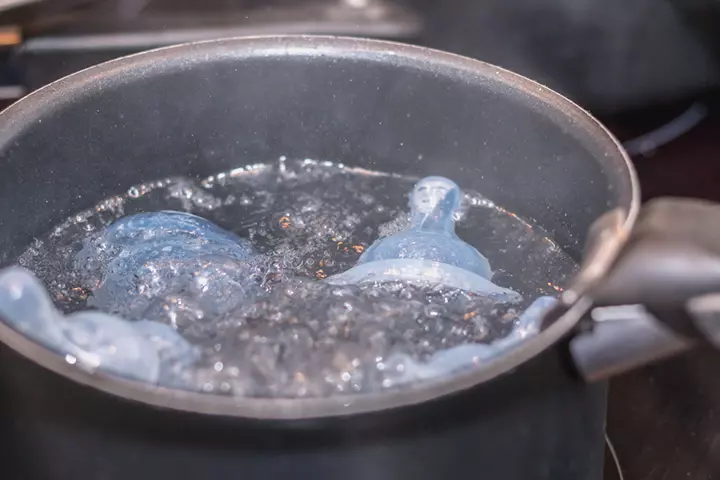
Let’s start with the cool science part. When you bring water to a rolling boil—hitting that 212°F (100°C) at sea level—you’re basically throwing a heat party that most microscopic gatecrashers can’t survive. The intense temperature messes with the proteins and DNA of bacteria, viruses, and other tiny freeloaders, effectively cooking them to death. It’s like a sauna set to “lobster pot.”
But here’s where it gets interesting: boiling is not the same as sterilizing, at least in the strict, lab-coat sense of the word. Sterilization means wiping out every living organism, including those super-tough bacterial spores that can survive a nice hot bath. Think of spores as the microscopic version of cockroaches that survive the apocalypse—they’re just tougher.
So, what does boiling actually do? It’s a brilliant method of purification, making water safe to drink in most everyday situations. The World Health Organization and pretty much every survival guide agree: boiling for one minute (or three minutes at high altitudes) kills nearly all the nasty pathogens that cause diarrhea, cholera, and typhoid. It’s your go-to for camping trips and emergency prep.
Why is that distinction cool? Because it shows how clever nature really is. There are these ancient organisms called endospores (made by bacteria like Bacillus or Clostridium) that can hibernate for centuries and laugh at a quick boil. You’d need a pressure cooker—hitting 250°F (121°C)—to truly sterilize them. That’s the difference between a hot tub and a volcano.
Now, let’s put it in everyday terms. If you’re making coffee from tap water, boiling is totally overkill—just a fun fact to impress your friends. But if you’re stranded in the woods and need to drink from a muddy puddle? Boiling is your hero. It kills the active bacteria that would ruin your weekend faster than a bear stealing your food.
 Sterilizing Plastic: Boiling Water Method | ShunPoly
You might be thinking: “What about chemicals or heavy metals?” Great question, and here’s the honest truth. Boiling is fantastic for zapping biological threats, but it’s terrible for removing lead, arsenic, or pesticide residue. In fact, if water has heavy metals, boiling can actually concentrate them as steam escapes. That’s like trying to clean a dirty shirt by making the stain smaller.
So where does that leave us? Boiling water is a powerful, ancient tool—but it’s not a magic wand. It’s the difference between a “clean enough to drink” and “clean enough for a surgery room.” For 99% of your life, boiling makes water perfectly safe. The remaining 1% involves lab equipment, autoclaves, and people in white coats.
Here’s a fun comparison: think of boiling as a really good hand-washing with soap and water. It gets rid of most germs, but you wouldn’t call your hands “sterilized” after a quick scrub. For that, you’d need surgical gloves and a UV chamber. Boiling is the “wash your hands” of water treatment—simple, effective, and totally practical.
 Sterilizing Plastic Bottles: A Simple Boiling Water Method Guide | ShunPoly
Let’s talk time and temp, because this is where the tweaks live. Most guidelines say bring the water to a full, rolling boil (the kind where bubbles are having a riot) for one minute. If you’re above 6,500 feet? Bump it to three minutes, because water boils at a lower temp up high. It’s like adjusting your recipe for altitude cookies.
And what about that urban myth that boiling “destroys” minerals? Nah. Minerals like calcium and magnesium are rock-like elements—they don’t get killed by heat. They might form a little white crust on your kettle (hello, limescale), but they’re still in the water. You’re just drinking them with a side of science.
So, the next time you boil water for pasta, tea, or a survival scenario, you can smile knowing you’re a part-time microbiologist. You won’t achieve perfect sterility, but you’ll get 99.9% of the bad guys. And honestly, that’s pretty amazing for a pot of bubbles. Isn’t it cool how a simple kitchen dance can save your belly from a ton of trouble?
In short: boiling doesn’t fully sterilize—but it does make water safe enough for nearly every normal situation. It’s the practical, life-saving hack we’ve been using for thousands of years. And if you ever meet someone who insists on true sterilization at home, probably just hand them a pressure cooker and a smile. They’ve got some work to do.

