
How To Get Rid Of Hard Water Stains In Dishwasher
You know that moment. You open your dishwasher after a full cycle, expecting a fresh, steamy victory. Instead, you’re greeted by dishes that look like they lost a fight with a...
You know that moment. You open your dishwasher after a full cycle, expecting a fresh, steamy victory. Instead, you’re greeted by dishes that look like they lost a fight with a bag of chalk. White spots, cloudy glasses, and a weird crust that could double as modern art. Yeah, hard water stains are the uninvited house guest who refuses to leave. But don’t worry; kicking them out is easier than arguing with your spouse about who forgot to take out the trash.
Let’s first give our enemy a proper name: hard water. It’s basically rainwater that picked up a ton of minerals (calcium and magnesium) while traveling through the ground. Think of it as a mineral-heavy smoothie that your dishwasher hates. These minerals, when heated, turn into a white, cloudy film that clings to everything like a needy toddler. Your dishwasher isn’t broken; it’s just fighting a chemistry battle it wasn’t designed to win alone.
The most obvious culprit is your rinse aid dispenser. Is it full? If you’ve been skipping it because you thought it was a scam, you’ve been fighting with one hand tied behind your back. Rinse aid acts like a secret agent, breaking the surface tension of water so it rolls off your dishes instead of baking on. Fill that little door, and you’ll immediately see fewer spots. It’s the easiest fix since buying a pizza instead of cooking.
Now, for the deeper grime—the stuff that makes your machine smell like a damp basement. Vinegar is your best friend here, and it costs less than a fancy coffee. Pour a cup of white vinegar into a dishwasher-safe bowl and place it on the top rack. Run a hot cycle. Do not, I repeat, do not mix vinegar with bleach. That combo creates toxic gas, and we want clean dishes, not a chemistry lab evacuation. Just vinegar, water, and hope.
If the vinegar cycle felt like a gentle nudge, sometimes you need a sledgehammer. That’s where citric acid comes in. You can buy it in powder form online or in the canning aisle of your grocery store. Sprinkle about half a cup in the bottom of the dishwasher, then run a heavy-duty cycle. It’s like giving your appliance a spa day, but the spa is a citrus volcano. The acid dissolves those stubborn calcium deposits that vinegar sometimes leaves behind.
Let’s talk about the filter. Yes, your dishwasher has a filter, and it’s probably disgusting right now. Imagine a swimming pool skimmer, but for old pasta and mystery goo. Twist it out (it’s usually at the bottom), rinse it under hot water, and scrub it with an old toothbrush. If it smells like a forgotten gym bag, you’ve waited too long. A clean filter lets water flow freely, which means less stain-causing residue.
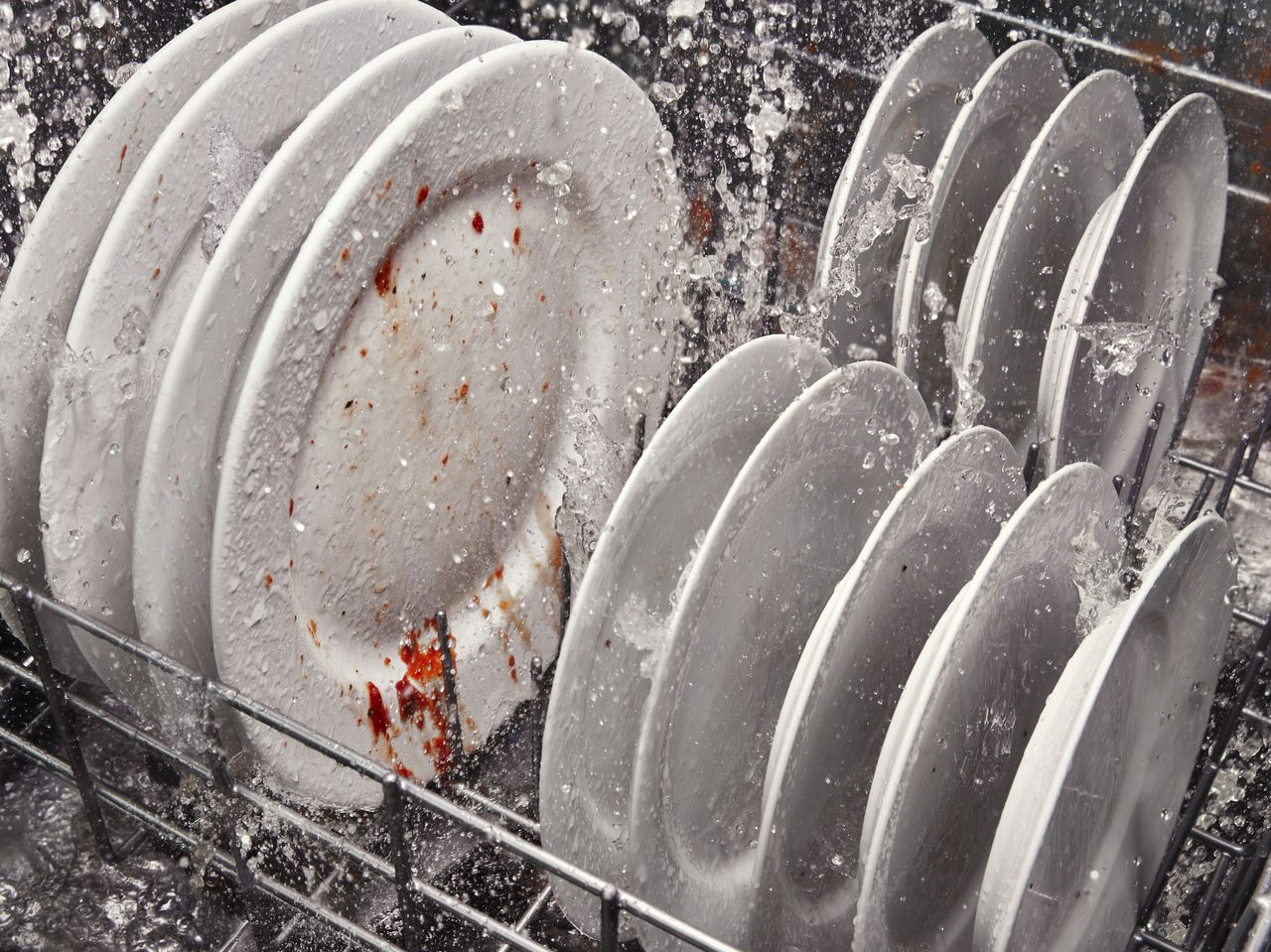 How To Fix Hard Water In Dishwasher: Get Rid Of Scale
What about the spray arms? If they’re clogged with hard water gunk, your dishes are basically getting a weak sprinkle, not a power wash. Pull off the arms (they usually snap or unscrew), and look at the tiny holes. Use a paperclip or a toothpick to poke out any calcified blockages. It’s grossly satisfying, like popping bubble wrap, but for your dishwasher’s health.
Every few months, I also do the “cleaning tablet” trick. There are special dishwasher cleaning tablets that you throw in an empty machine. They foam up and attack that hidden gunky buildup. Yes, it feels like a waste of money, but the sparkle on your next load is worth it. Think of it as giving your machine a multivitamin after a junk food binge of hard water.
Here’s a pro tip that sounds crazy: check your water temperature. Your dishwasher needs water hot enough to activate the detergent—usually at least 120°F. If your water heater is set too low, the detergent won’t dissolve properly, leaving a white cloud. Run your kitchen tap as hot as it gets for a minute before starting the dishwasher. It’s a tiny habit that pays huge dividends, like stretching before a run you didn’t want to do.
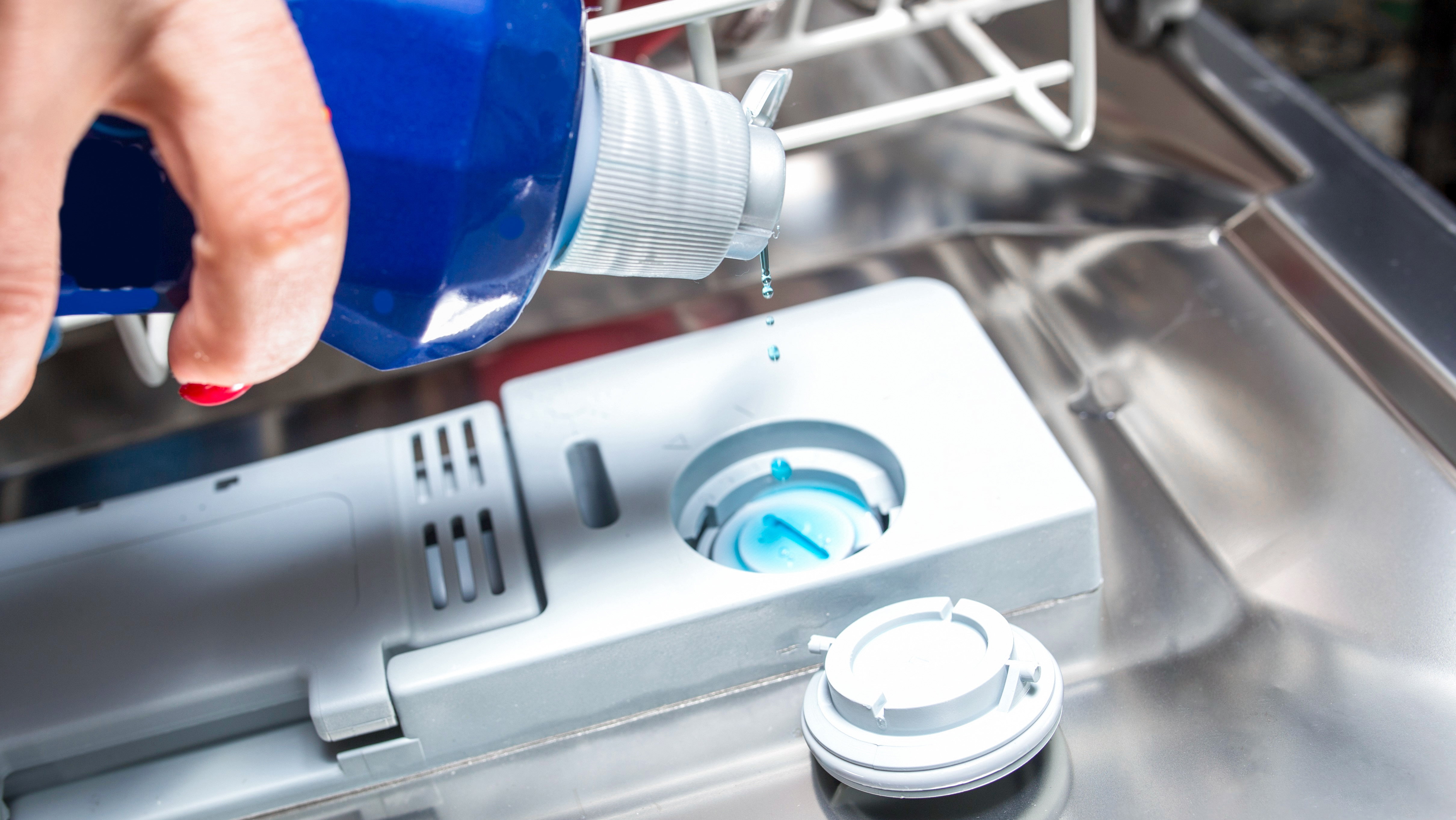 Removing Hard Water Stains from Dishwasher | Finish CA
Sometimes, the stains are not just on the dishes but built up inside the rubber seal around the door. Pull back that rubber gasket and you’ll find a swamp of black mold and white crust. Wipe it down with a cloth soaked in vinegar or a diluted bleach solution. Wear gloves because that smell is the smell of regret. Keeping that seal clean prevents gunk from falling onto your clean dishes mid-cycle.
And for the love of all that is sparkling, do not use standard dish soap. It creates a foam monster that will flood your kitchen floor faster than you can say “hard water.” Only use automatic dishwasher detergent, packets, or tablets. This is non-negotiable. Your dishwasher is not a sink, and it will take revenge if you treat it like one.
If you’ve done all this and your glasses still look like they have a case of the dandruff, consider a water softener. It’s a bigger investment (like buying a nice pair of shoes), but it solves the root problem. A softener removes those minerals before they even enter your pipes. Suddenly, your dishwasher becomes a superhero, and you become the hero who bought it. Your morning coffee will taste better too, which is just a bonus.
In the end, remember that hard water stains are not a personal failure. They are a geological phenomenon happening in your kitchen. You don’t need to be a chemist or a plumber. You just need vinegar, a toothbrush, and a little patience. Your dishwasher will eventually shine, and when it does, invite some friends over for a toast. Just make sure the toast is served on a spotless plate.

