
Not all rust is created equal. You might have “clear-water iron”, which is sneaky. It comes out of the tap crystal clear, then turns red after it hits the air.
Or you might have “red-water iron”, which looks like something from a horror movie right from the start. And then there’s “iron bacteria”—the grossest one. That one leaves a slimy, reddish-brown goo in your toilet tank. Yep, I went there.
How do you know which one you have? Easy. Fill a clear glass with water right from the tap. If it turns rusty in a few minutes, you’ve got clear-water iron. If it’s already orange, hello, red-water iron. If it looks like swamp water, congrats—you’ve got bacteria.
Option 1: The “I’m on a Budget” Trick (Oxidation & Sediment Filters)
This is for the tough guys who don’t mind a bit of hardware. You’re basically going to force the iron to rust on purpose, then catch it. Sounds counterintuitive, right?
Pick up a simple sediment filter housing at a hardware store. Install it after your pressure tank. The filter will catch the rust particles after they’ve oxidized naturally in the pipes.
Pro tip: You’ll be changing those blue filter cartridges a lot. Like, every two weeks at first. Stock up on them. Or get a reusable, washable filter—your wallet will thank you.
Option 2: The “Set It and Forget It” Method (Water Softeners)
This is the gold standard for low to moderate iron. A standard water softener uses resin beads to swap iron for salt. It’s like a magic trick, but with plumbing.
 How To Remove Iron From Well Water? Find Out The Best Ways
But wait—not every softener is built for iron. You need one with a “resin cleaner” or “iron-out” additive feature. Otherwise, the iron will glue your softener up like a bad hair day. I learned this the hard way. The repair guy laughed at me.
If you have more than 5 ppm (parts per million) of iron, a standard softener will fail. You need the big guns. Look for a system with a separate tank or a special resin designed for high iron.
Option 3: The “Nuke It from Orbit” Method (Oxidation Systems)
This is for the hardcore iron problem. If your water tastes like licking a rusty nail, you need chlorination or aeration. These systems literally oxidize the iron instantly and flush it out.
A chlorine injection system adds a tiny bit of bleach to your water. It sounds scary, but the chlorine evaporates off, leaving you with clean water. The iron becomes solid rust particles that a filter catches.
Or try an air-injection oxidizer. It uses compressed air to force the iron to rust inside the tank. It looks like a sci-fi prop in your basement. No chemicals needed, just physics.
Option 4: The “Look, Ma, No Hands” Fix (Reverse Osmosis)
You don’t have to treat the whole house. Sometimes, you just want a glass of water that doesn’t look like iced tea. That’s where reverse osmosis (RO) comes in.
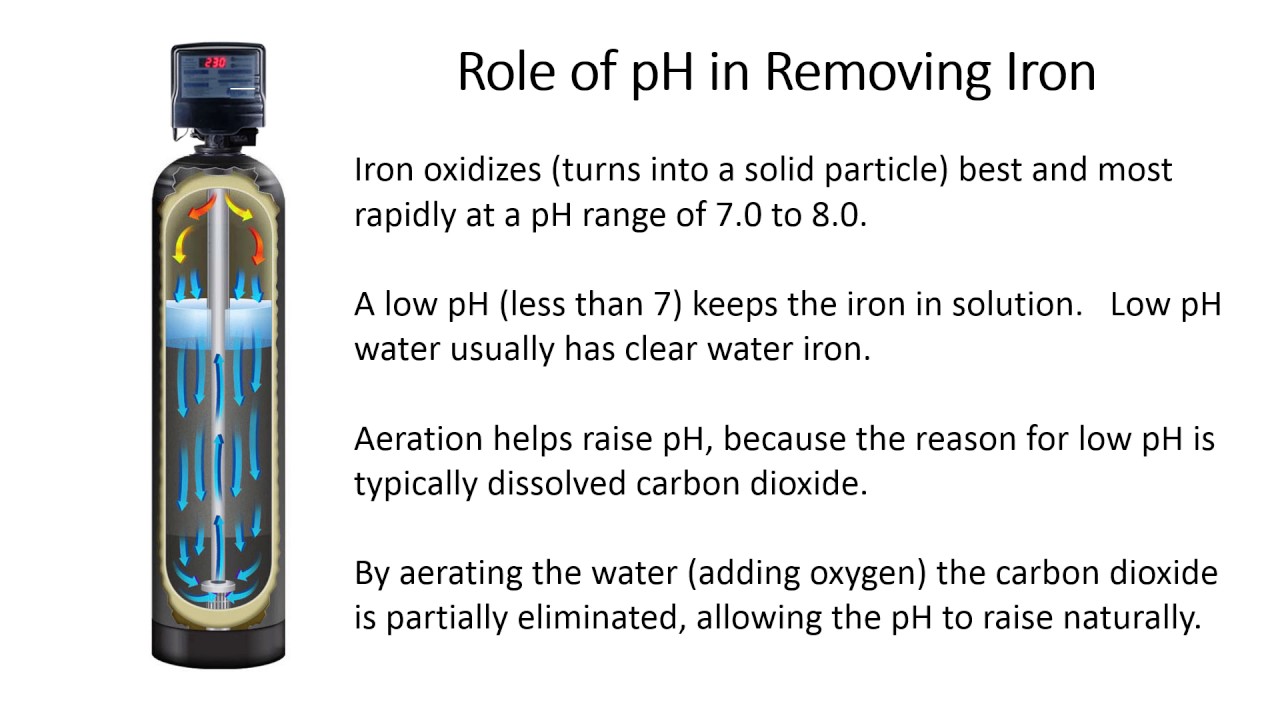 Removing Iron From Well Water Systems at Edward Oneal blog
An under-sink RO system will strip out 99% of the iron for your drinking water. It’s slow and wastes some water, but the result is pure. It won’t stop the orange toilet bowl, though.
Pair it with a cheap point-of-use filter on your kitchen faucet. You get clear ice cubes and coffee that actually tastes like coffee, not metal. That’s a win.

