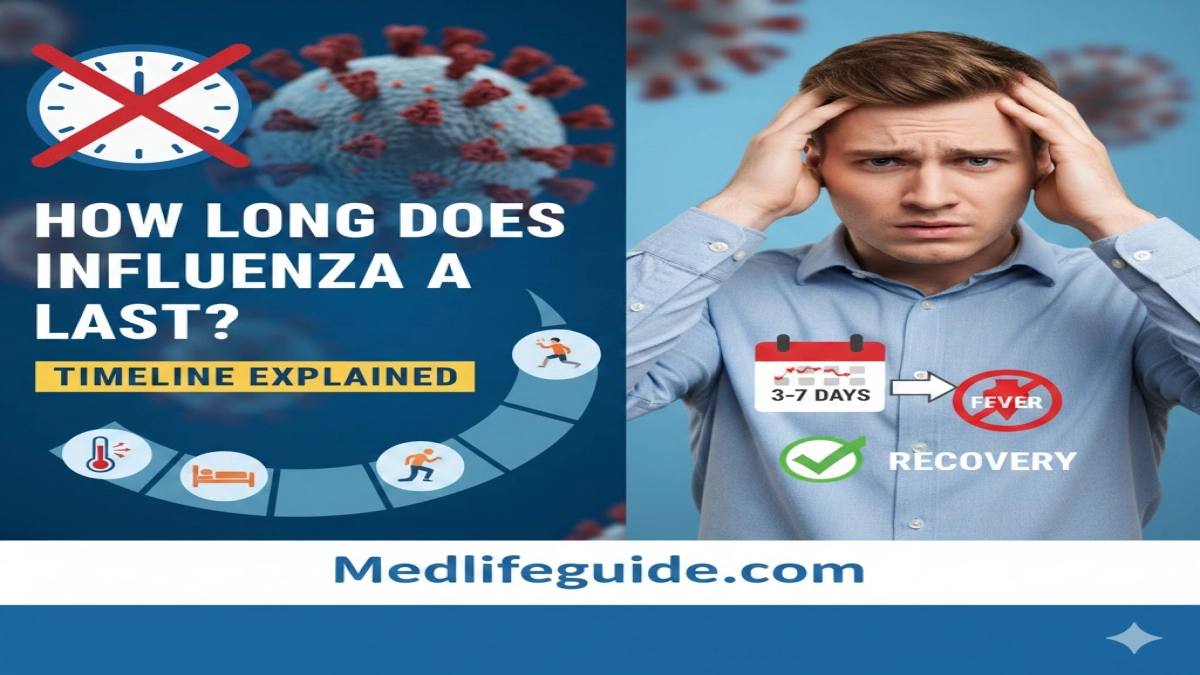
Once the fever breaks and your energy starts trickling back, you might think you’re in the clear. Wrong. The cough and fatigue can hang around for 10 to 14 days, like a bad cover band that won’t leave the stage. That hacking is your lungs cleaning up the mess the virus left behind—rude, but necessary.
You might also feel weirdly tired even after you’re “better.” That post-flu fatigue is real, and it can last up to a month for some unlucky souls. So if you’re still napping at 3 PM two weeks later, don’t panic—your body is just rebuilding its energy reserves, one nap at a time.
When Does “Going Without Medicine” Actually Make Sense?
Here’s the truth: skipping medicine is usually fine if you’re a generally healthy adult. Your immune system is a rockstar, and it will kick the flu’s butt eventually—it just takes patience and a lot of tissues. But if you’re in a high-risk group (like over 65, pregnant, or have asthma), don’t be a hero; go see a doc.
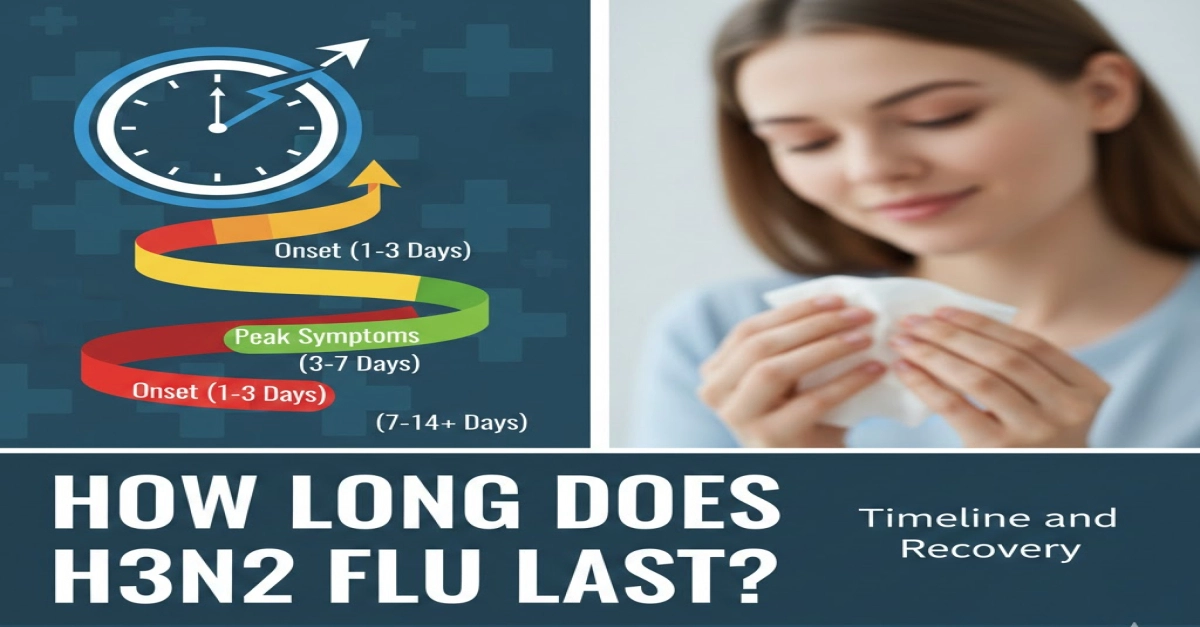 How Long Does H3N2 Flu Last? Timeline and Recovery
Over-the-counter stuff isn’t really “medicine” that cures the flu; it’s more like a cheerleader—it helps with symptoms but doesn’t shorten the show. Antiviral drugs like Tamiflu can shorten it by a day or two, but only if you catch it in the first 48 hours. Miss that window, and you’re just along for the ride anyway.

