
If you’ve never seen a mass poppy installation, let me paint you a picture. Imagine the entire moat of the Tower of London—that ancient, stone, history-soaked ditch—turned into a sea of red. We’re not talking about a few sad wreaths. We’re talking about a river of ceramic poppies, each one hand-made, each one representing a life lost in conflict. It’s the kind of spectacle that makes you stop mid-step and forget you were even looking for a coffee shop.
But the 2026 display? It’s different. The organizers have promised it will be twice the size of the original 2014 installation, which itself was a massive hit. Yes, you read that right—double the poppies, double the wow factor, and probably double the selfies. (And yes, I’m already planning my “artfully sad” Instagram shot, don’t judge me.)
The original “Blood Swept Lands” was a phenomenon
Back in 2014, that first display—officially called Blood Swept Lands and Seas of Red—brought in over five million visitors. It was so popular that the moat looked more like a red carpet for ghosts. Volunteers planted 888,246 ceramic poppies by hand, one for every British and Colonial military death in World War I. People cried. I’m not ashamed to admit I cried reading about it later, from my couch, wearing pajamas.
For 2026, the theme gets even heavier. This time, it’s a two-part installation: one section for WWI, and a brand-new section for conflicts from 1945 to the present day. That means poppies for Korea, the Falklands, Iraq, Afghanistan—basically every war your granddad or your older cousin might have served in. It’s a gut punch, but a necessary one.
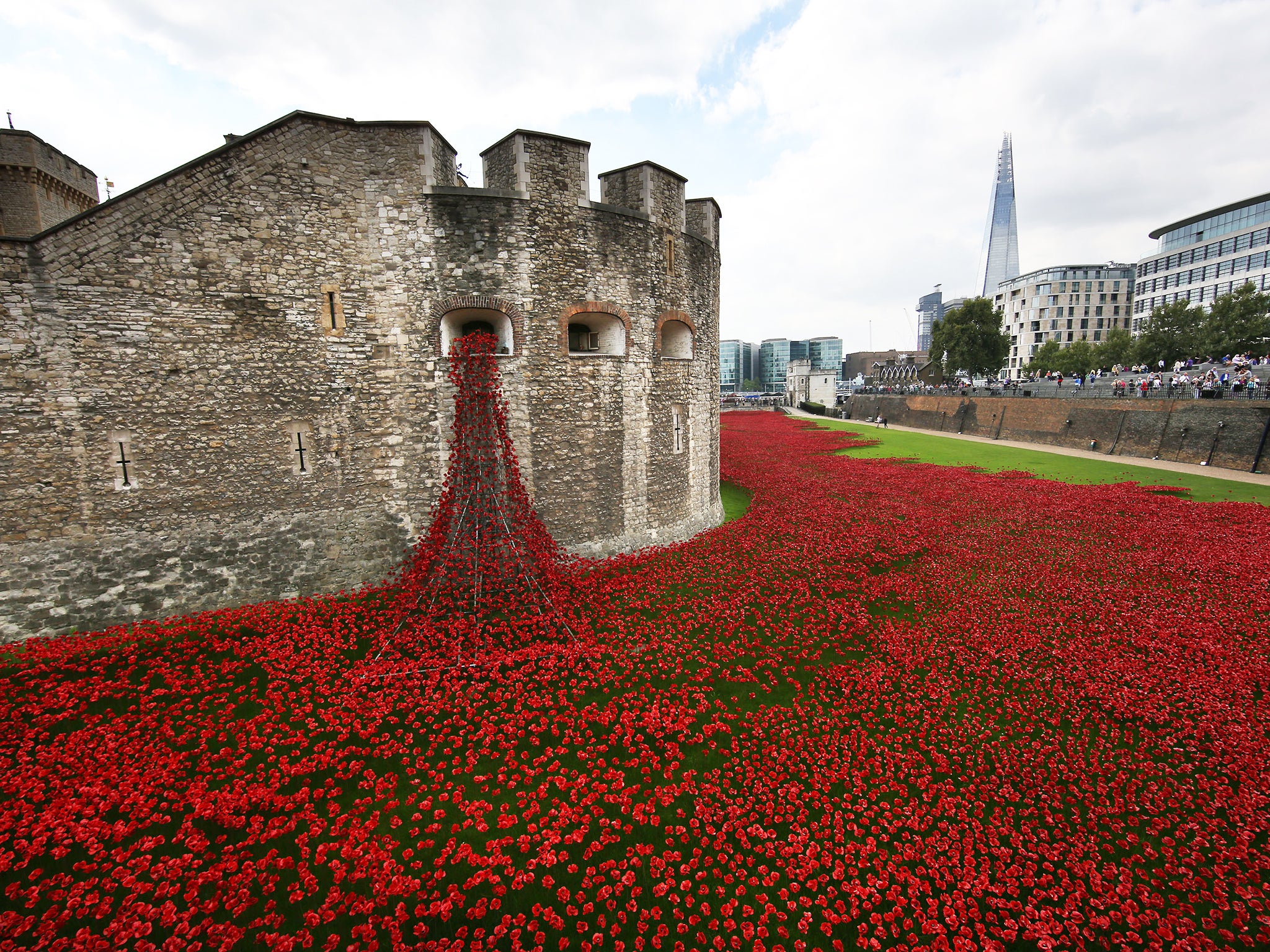 The Tower of London poppies are an extraordinary memorial - which some

