
So, what can we learn from Wollstonecraft's book? For one thing, we can learn that our assumptions about people can be really wrong. Just because someone is a woman, or a man, or from a certain background, it doesn't mean they're limited in what they can do. We should always try to give people a chance, and not judge them based on preconceived notions. It's like, if you meet someone new, and you think they're not going to be interesting - but then you talk to them, and they're actually really cool - you'd be surprised, right?
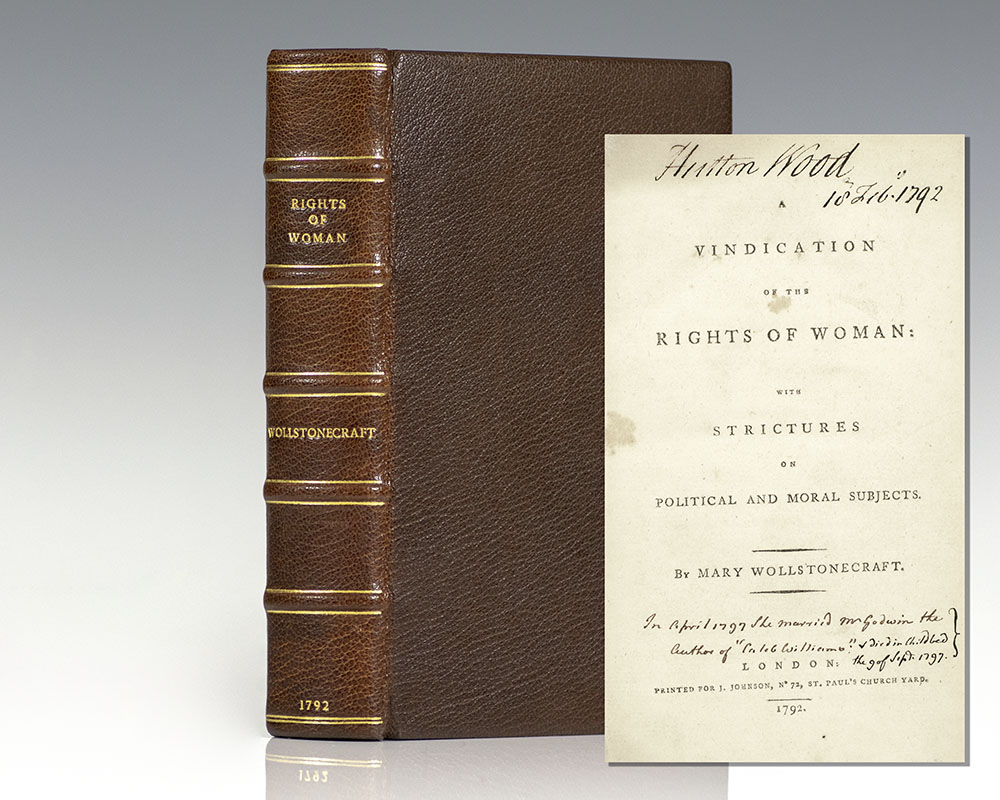 A Vindication of the Rights of Woman Mary Wollstonecraft First Edition
Wollstonecraft's book is also a reminder that we all have the power to make a difference. If we see something that's not fair, we should speak up, just like Wollstonecraft did. We can all be advocates for change, and help create a more equal and just society. It's like, if you're at school, and you see someone being bullied - you'd want to help, right? That's what Wollstonecraft is saying: we should all help create a world where everyone has the chance to thrive.
Lastly, Wollstonecraft's book shows us that our words have power. What we say, and what we write, can inspire people, or hurt them. We should always try to use our words to uplift and empower each other, rather than to tear each other down. It's like, if you're writing a message to a friend, and you're not sure what to say - you'd want to choose words that are kind and supportive, right? That's what Wollstonecraft is saying: our words matter, and we should use them to make a positive impact.
In conclusion, Wollstonecraft's book is still really relevant today, and it's a must-read for anyone who cares about equality and human rights. It's a reminder that we all have the power to make a difference, and that our words and actions can inspire change. So, let's all try to be a little more like Wollstonecraft - let's speak up, let's challenge our assumptions, and let's use our words to uplift and empower each other.

