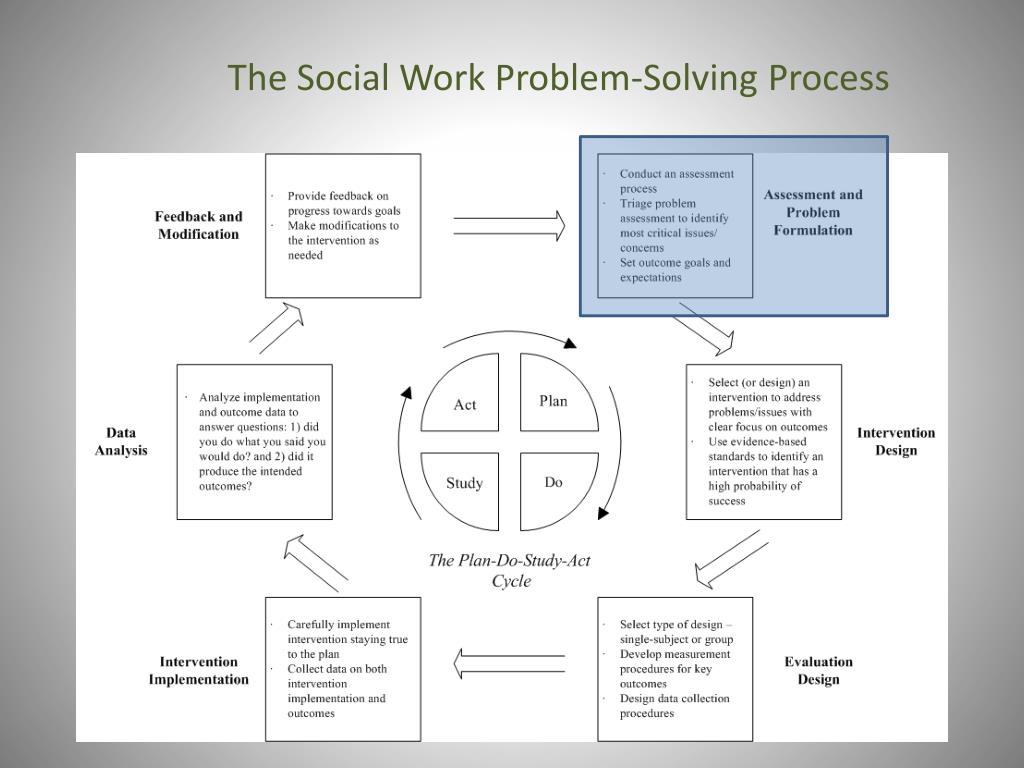
So, how do problem-solving practice models play out in real life? Well, imagine a social worker working with a family who's struggling to make ends meet. By using a problem-solving practice model, the social worker can help the family identify their strengths and develop a plan to address their challenges, whether it's finding affordable housing, accessing food assistance, or getting job training. It's all about empowering the family to take control of their own lives and create a better future for themselves.
Problem-solving practice models are also used in community development initiatives, where social workers might work with local organizations to address broader social issues, like poverty or inequality. By using this approach, social workers can help mobilize community resources and develop solutions that are tailored to the specific needs of the community. It's a pretty powerful way to create positive change and make a lasting impact.
In the end, problem-solving practice models in social work are all about helping people help themselves. By providing the right tools and support, social workers can empower individuals and communities to overcome even the toughest challenges and achieve their goals. It's a pretty cool way to make a difference, and it's something that social workers do every day.