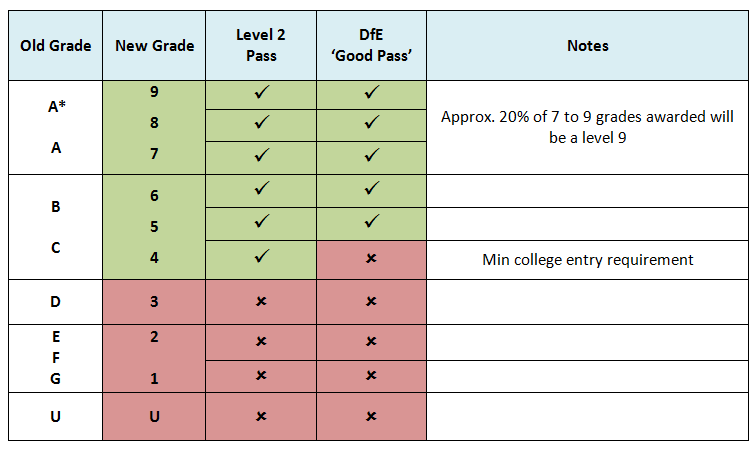
Remember when GCSEs used letters? A*, A, B, C, D—like an alphabet soup of anxiety. Well, in 2017, England swapped it for a numerical system that makes everyone feel like they’re back in math class. A Grade 3 now sits roughly where a D or low E used to be.
Here’s the kicker: you can fail a GCSE and still get a 3. Officially, a “pass” is a Grade 4 (a standard pass) or a Grade 5 (a strong pass). A 3? That’s a “nearly but not quite.” It’s the exam equivalent of a friendly pat on the back that whispers, “You tried, buddy.”
What Does a Grade 3 Look Like in Real Life?
Imagine you’re baking a cake. A Grade 9 is a Michelin-starred masterpiece. A Grade 4 is a solid, edible Victoria sponge. A Grade 3 is the cake you forgot to add sugar to—technically a cake, but nobody’s bragging about it at the party.
In specific subjects, a Grade 3 means you can demonstrate basic knowledge but struggle with complex ideas. For example, in English, you can string together a sentence, but you might confuse Malvolio with a type of pasta. In math, you can add up your change but definitely can’t solve for x while standing on one foot.
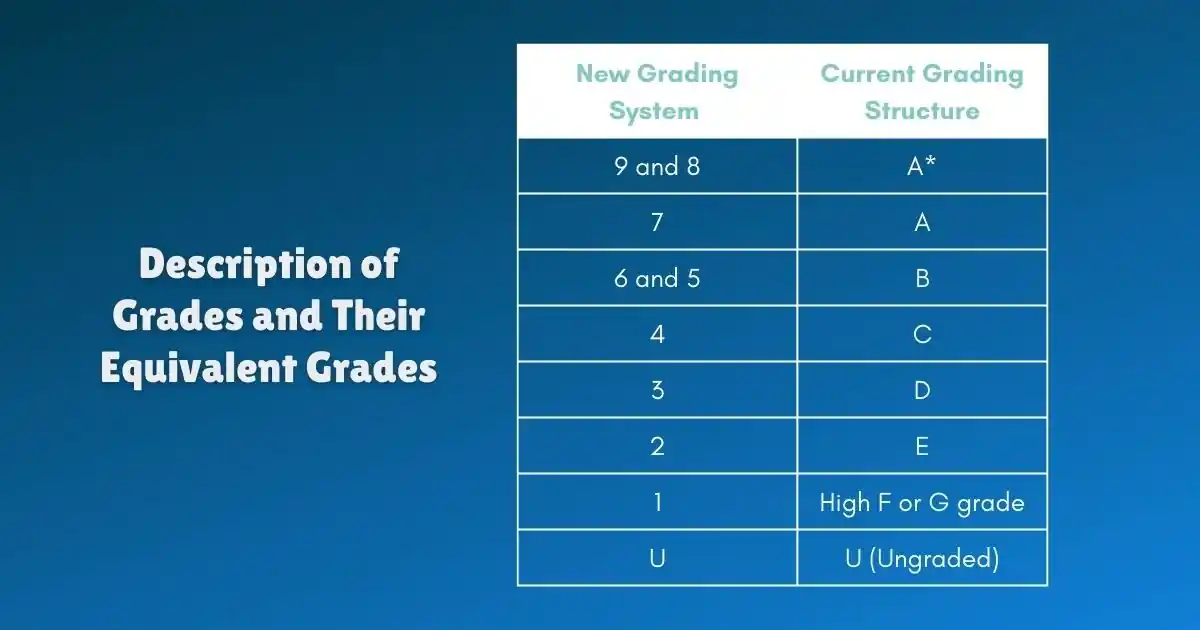 The New Grading System Explained: GCSE Grade Boundaries 2026

