
You know that weather app on your phone? It uses a model called the GFS (Global Forecast System). The GFS is great at predicting next week, but for anything beyond ten days, it’s basically a Magic 8-Ball. Outlooks past two weeks are about as reliable as a cat predicting the stock market.
That said, here’s a wild truth: the coldest air on record often happens during El Niño years, not just La Niña. Remember the “Polar Vortex 2014” where Chicago got colder than Antarctica? That was a weird year. So stop blaming the alphabet and start blaming the atmosphere’s mood swings.
Surprising Fact #2: The Groundhog Is a Huge Fraud
Punxsutawney Phil sees his shadow? Great, six more weeks of winter. No shadow? Six more weeks anyway. The little rodent is wrong 60% of the time, which makes him about as useful as a chocolate teapot. Science says the actual “end date” depends on the solar angle and the Pacific Ocean temperatures.
But let’s get real: the average cold season in the continental U.S. starts around mid-November and ends by late March. However, in places like Bismarck, North Dakota, winter can last until May, when they’re still scraping frost off their lawn gnomes. It’s like the calendar is just a suggestion there.
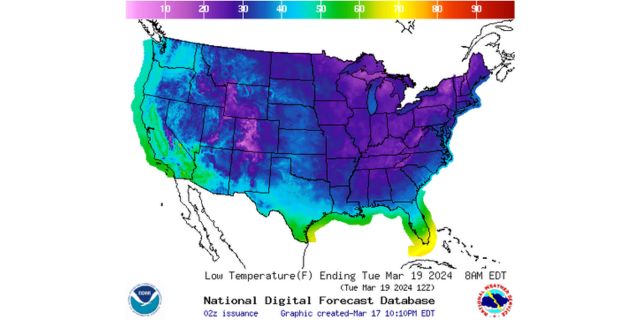 Mississippi Skies: Freezing weather returns to the Magnolia State. How

