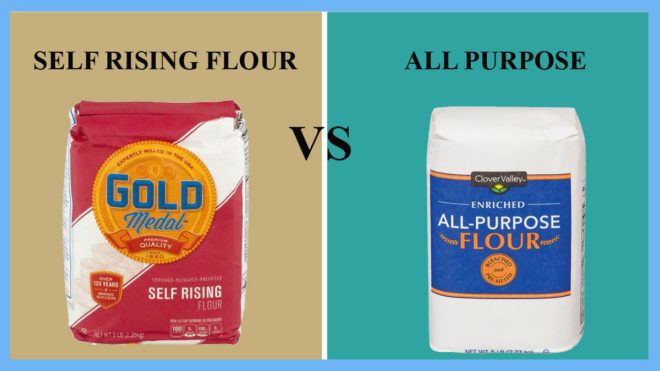
In simple terms, plain flour is just that - plain. It's made from wheat that's been ground into a fine powder, and that's it. On the other hand, self-raising flour is like the superhero of flours - it's got a built-in leavening agent that helps your baked goods rise to the occasion.
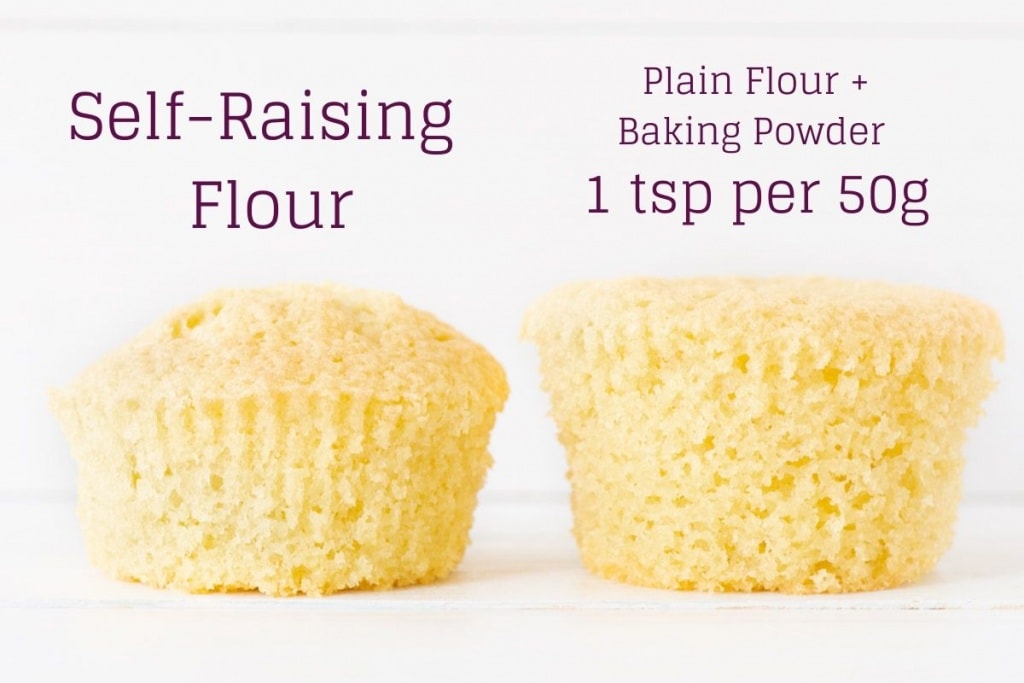
This leavening agent is usually baking powder, which releases carbon dioxide gas as it reacts with liquid ingredients. It's like a little explosion of fluffiness that happens in your oven, making your treats light and airy. But, here's the thing - if you're using a recipe that calls for plain flour, you'll need to add your own leavening agent to get that same fluffiness.
So, why does it matter? Well, imagine you're making a batch of cookies for a party, and you accidentally use self-raising flour instead of plain. You might end up with cookies that are more like little puffs of sidewalk chalk than chewy treats. Not exactly what you're going for, right?
 Things To Make With Plain Flour - Captions Quotes