
When Do I Need A Fit Note
So there I was, last Tuesday, texting my boss from the sofa at 7 AM. I had a voice like a toad croaking through gravel and a head that felt stuffed with cotton wool. “I’m real...
So there I was, last Tuesday, texting my boss from the sofa at 7 AM. I had a voice like a toad croaking through gravel and a head that felt stuffed with cotton wool. “I’m really sorry,” I typed, “but I think I need to take a sick day.” And then, the inevitable, dreaded follow-up question popped up on my screen: “Do I need a fit note for this?” Cue the panic. I spent the next ten minutes googling “fit note rules” while wrapped in a duvet, feeling like a fraud even though I was genuinely ill. Sound familiar?
Let’s be real: the whole “fit note” thing (or “sick note” if you’re old school) feels about as clear as mud. One minute you’re sniffling, the next you’re worried you’ll get a stern letter from HR accusing you of faking it. But honestly, the timing is actually pretty simple once you strip away the jargon. Most of the time, you don’t need one for a short bug. You just need to survive the coughing fits.
Here’s the golden rule you need to tattoo on your brain: you generally do not need a fit note for any absence of seven days or less. That’s right. If you take Monday and Tuesday off with a stomach bug, or even a whole week of work because of a gnarly flu, you can just self-certify. Your employer can ask you to fill out a simple form (sometimes called a self-certification form or SC2) explaining why you were off, but that’s it. No doctor’s signature required. Breathe a sigh of relief with me.
But here’s where the story twists (because of course it does). The clock starts ticking from your first day off work. If you’re off sick for more than seven calendar days in a row, you absolutely, positively need a fit note to keep getting paid—or to justify your continued absence. And I mean calendar days, not just work days. So if you’re sick on a Friday, and then you’re still sick through Saturday, Sunday, and into the next Thursday, that’s already more than a week. Time to call your GP.
Now, what about those of you who are working part-time or on a zero-hours contract? Ah, the plot thickens. The seven-day rule still applies to you, but you also have to think about Statutory Sick Pay (SSP). To qualify for SSP, you usually need to have been off for at least four days in a row (including weekends). And if SSP is the goal, a fit note is your golden ticket after day seven. Without it? Your employer might not pay you for the extra days. It’s bureaucratic, but it’s your right. Don’t let them convince you otherwise.
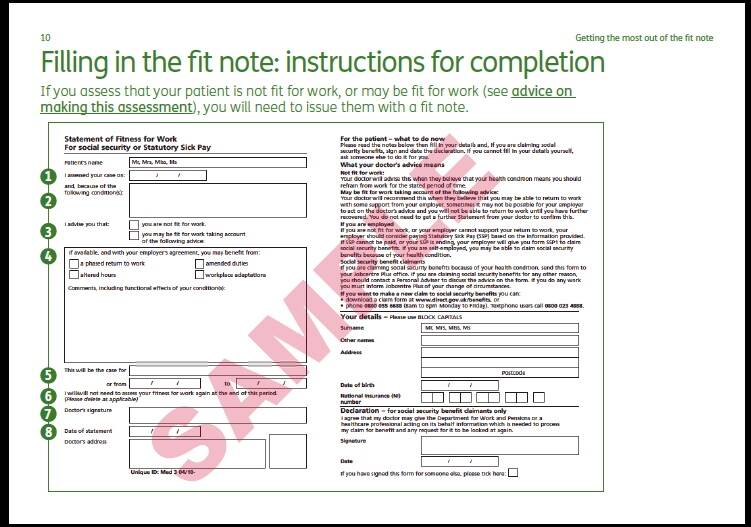 Fit note's prognosis is good | The Canberra Times | Canberra, ACT
But wait—there’s a cheeky little exception. What if you have a long-term health condition or you’re returning to work slowly after surgery? In that case, you might need a fit note before the seven days are up. If your doctor writes a note saying “light duties only” or “can work three days a week,” that note immediately becomes your work buddy. It protects you. So if your boss tries to give you a hard time about a phased return, wave that fit note like a tiny, official flag.
And can we talk about the doctor’s appointment dilemma for a second? You book a GP appointment, wait two weeks, and then the doctor asks you, “So, how long have you been off work?” When you say “three days,” they’ll probably look at you like you’ve sprouted a second head. You don’t need a note for three days! Save yourself the co-pay or the hour of wait time. Only go to the doctor for a fit note if you know you’ll be off for more than a week, or if you need a very specific reason documented (like, “I’ve got shingles and yes, it sucks”).
 Fit Notes and Sick Notes — Your Health Partnership
I’ll be honest: the system can feel like a trap. You don’t want to seem like a slacker, but you also don’t want to pay for a doctor’s note for a cold that’s already clearing up. The trick is to communicate honestly with your boss. Send a quick email saying, “I’m still not well; I’ve self-certified for days one to seven. If it goes beyond that, I’ll arrange a fit note.” Most managers just want to know you’re not ghosting them. They don’t need a formal document for a three-day sniffle.
One last irony: fit notes are officially called “fit notes” because they can say you are fit for work under certain conditions. Seriously. Your doctor can say, “Jane is fit for work, but only if she doesn’t lift heavy boxes for two weeks.” That’s not a sick note; it’s a “maybe note.” It’s permission to work while healing. So don’t think of a fit note as a punishment. It’s a little piece of paper that says, “Hey, I’m not slacking—my body is on strike, and my doctor agrees.”
So, when do you actually need one? Summing it up: if you’re off for 0–7 days, self-certify and relax. If you’re off for 8+ days, get the note—it’s non-negotiable for sick pay. If you need a phased return or have a chronic condition, get one early for peace of mind. And if you’re still unsure? Just call your HR department (while you’re still in your pajamas) and ask: “Do you need a fit note for three days off?” They’ll probably say no, and you can go back to binge-watching that show guilt-free.

