Great question! It’s not because you can lock it with a padlock. The word “bolt” originally described something that was rolled tightly, like a roll of carpet or a cloth bundle. Think of it as the original spool, but for fabric instead of thread.
Historically, bolts were a standard unit of measurement. A bolt of fabric usually held a specific length—often 30 to 100 yards, depending on the material. So when a merchant said, “I’ll take a bolt of silk,” everyone knew exactly how much material was involved.
Nowadays, you’ll also hear people call it a roll (because that’s what it is) or a cut (if it’s a smaller, pre-cut piece). But “bolt” is the VIP pass of fabric terminology. Use it, and you’ll sound like a pro at your next sewing circle.
Wait, Are There Other Names?
Oh, absolutely. Fabric is a tricksy hobbit. Some people call it a piece, especially in wholesale. If you’re buying in bulk, you might hear, “I’ve got a piece of denim over here.” It’s less dramatic than “bolt,” but it works.
Then there’s the roll term, which is the lazy but totally acceptable cousin of “bolt.” If you’re a hobbyist, just say “roll.” Nobody will judge you. I promise. Unless you’re talking to a textile historian, in which case, use “bolt” and wink mysteriously.
And let’s not forget the tube. Sometimes, fabric is wound around a cardboard tube. The fabric is the star, but the tube is the humble stagehand. So when someone says, “I need a tube of fleece,” they mean the roll, not just the cardboard cylinder.
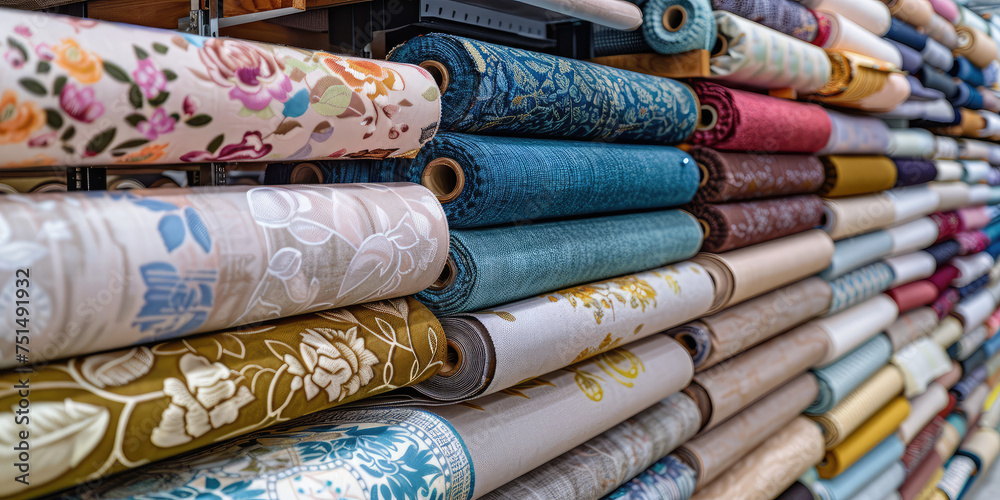 Colorful Fabric Selection Assortment. Assorted textiles rolls on