
It’s not just Germany. Japan, Vietnam, Laos, and Cambodia are still choking on leftover bombs from WWII and later conflicts. In Laos, there’s a village where kids play soccer in a field that’s literally studded with cluster bomblets. Those little baseball-sized balls of death are so common that people use their casings as pots for plants. Talk about making lemonade out of lemons—except the lemons might blow your hands off.
Economically, it’s a huge drag. A single bomb find can shut down a city center for days. That means lost business, overtime for police, and a lot of people eating cold pizza in a gymnasium. Some zones in Europe require a mandatory survey before any major construction starts. So that hip new apartment building? It probably had a bomb-sniffing robot as its first visitor. (Which is awesome, but also depressing.)
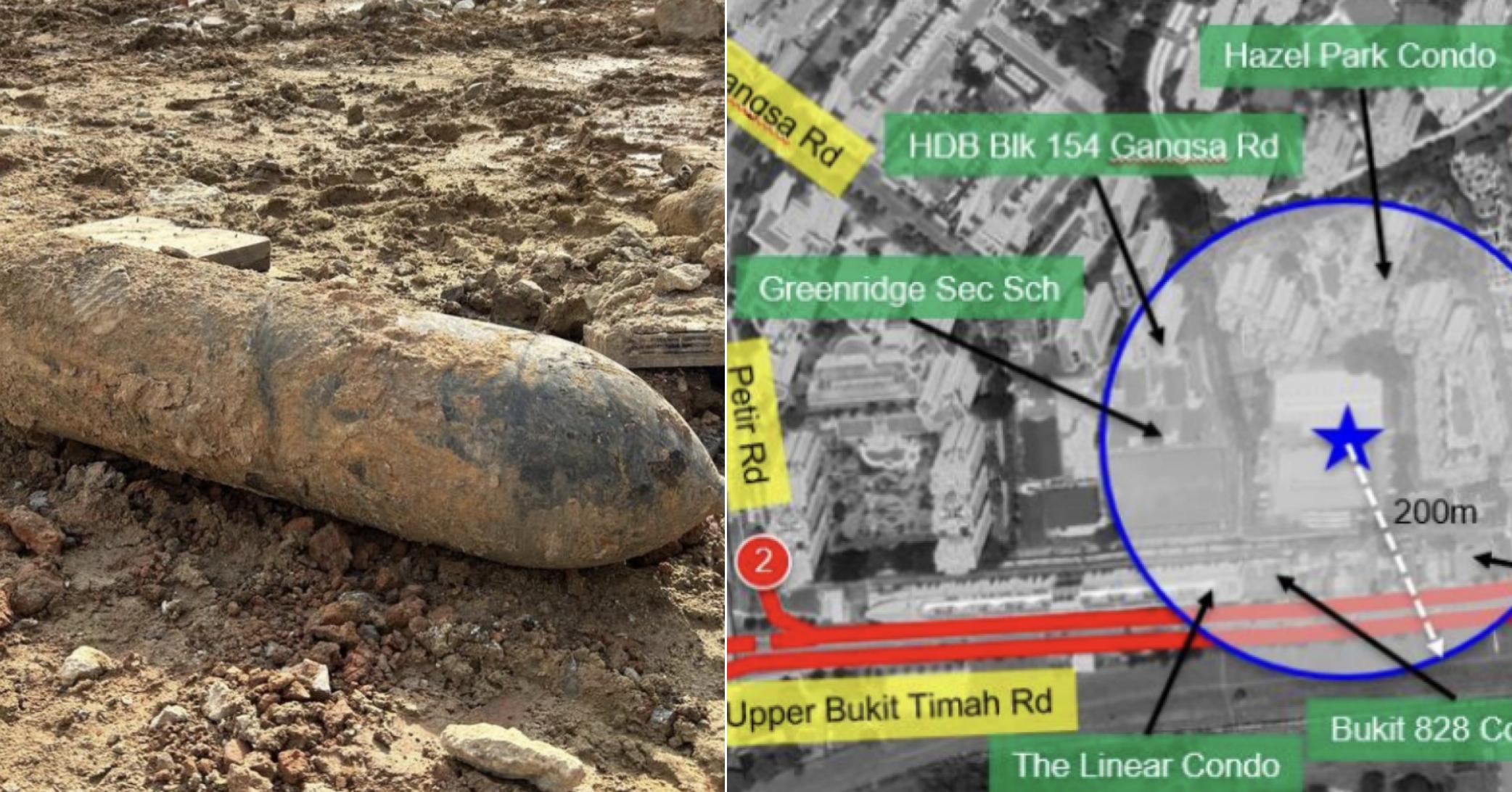 S'pore army to detonate 100kg WWII bomb found at construction site
Why Don’t They Just Leave Them?
Great question, imaginary reader! Because rust is a ticking clock. Over decades, the casing corrodes, the explosives become unstable, and the fuse can shift. Leaving them in the ground is like keeping a sleeping bear under your kitchen floor—one day, it’s going to wake up grumpy. So teams dig them up, carefully, and then blow them up in a controlled blast. Usually in a gravel pit far from town. The bang is deafening, even from miles away. Local birds have PTSD for a week.
But here’s the kicker: experts say we’ll be finding these bombs for another 100 years. Maybe more. That means your great-grandkids might be scrolling their holographic phones and see a news alert: “WW2 Device Found Under Tesla Charging Station.” History doesn’t end. It just gets buried, then unburied, then safely detonated at 3 PM on a Wednesday.
So next time you complain about a delayed train, remember: maybe the driver had to bypass a bomb. Or maybe the track is built directly on top of a 1944 aerial mine. Either way, I’m never taking modern peace for granted again. And I’m definitely never gardening without checking the soil report first.

