
Because your brain compares things automatically. Imagine you’re baking cookies, and the recipe says “bake for 10 minutes out of 15.” You’d know you’re two-thirds done. Now imagine you get a score of “9 out of 10” on a quiz. You feel proud, right? That’s 90%. But what if the same quiz was scored “9 out of 15”? Suddenly you’re at 60%, and you’re not so happy anymore. The “out of” changes the whole story.
Here’s a real-life story. My friend Lisa once told me her son scored “85” on a history test. I thought, “Wow, A-grade!” Then she sighed and said, “But it was out of 120.” Ouch. That’s a 71%, which is a solid C. The number 85 looked amazing until we knew the “out of.” That’s why news reports, grades, and even your fitness app love to hide or emphasize the “out of”—it controls your reaction.
The “out of” in your everyday life
Think about your phone’s battery. It shows “80%” but the “out of” is always 100% of a full charge. That’s boring. But what if your phone said “80 out of 100” and you knew that 100 means a brand new battery, but your battery is two years old? Suddenly, 80% isn’t great—it’s a miracle it’s still working. The “out of” gives context.
Even your morning coffee order has an “out of.” You order a “large” coffee, but the menu says “large: 20 oz out of 24 oz available.” That’s a big difference from a “large” that’s only 12 oz out of 16 oz. Size is relative, just like scores. When you know the “out of,” you know exactly what you’re getting.
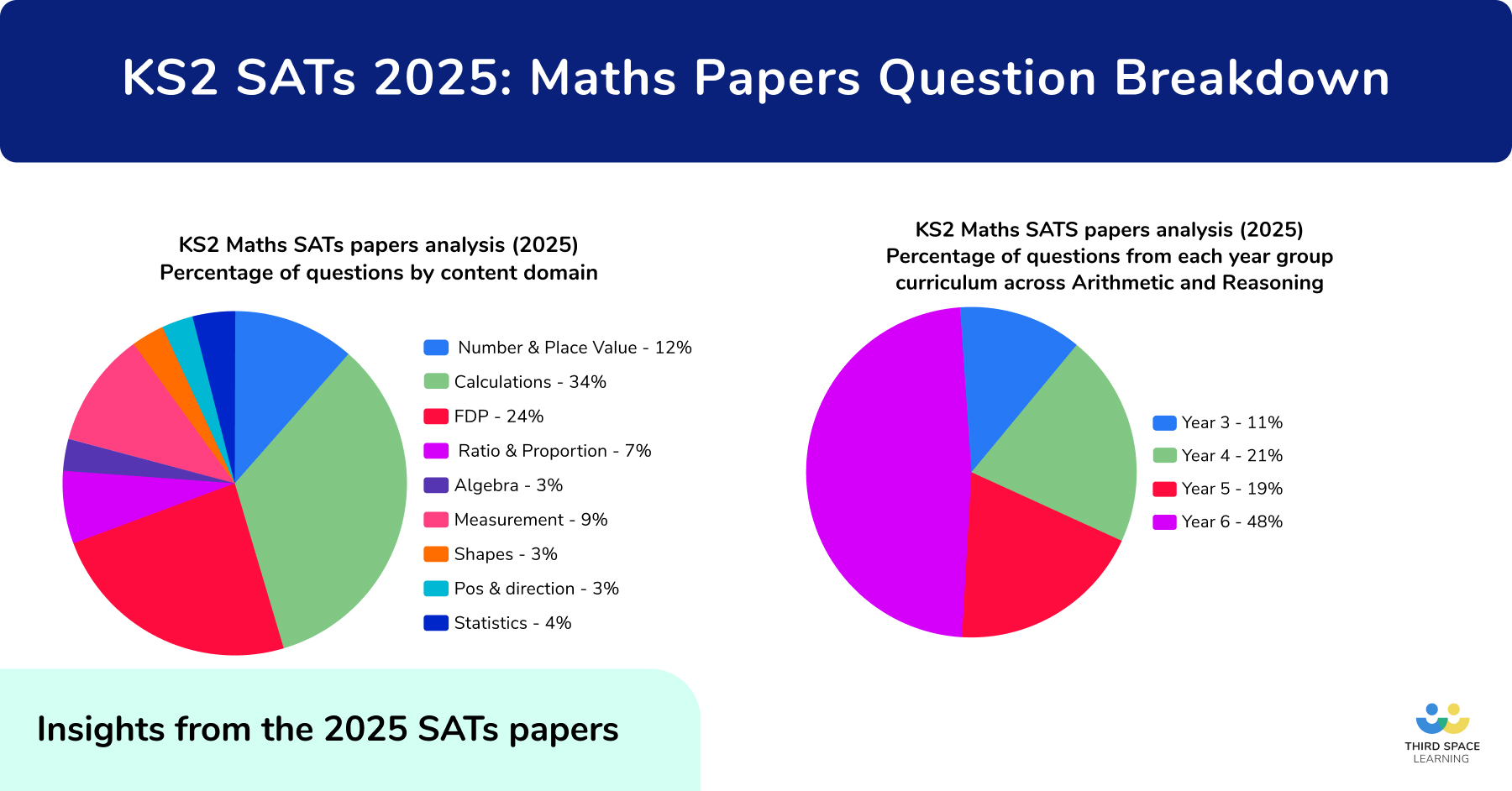 KS2 SATs 2026: Maths Papers Question Breakdown

