Ironically, the cheapest foods per calorie—like rice, potatoes, and value-packs of chicken—are often the most filling and least processed. But we’ve been trained to think that convenience is freedom when it’s really just a subscription to higher bills.
I once tried the “$3 per day” challenge some influencers rave about. I lasted two days. I ate so many lentils I turned into a beans-on-toast monster. The point? Eating on a tight budget is possible but soul-crushing without creativity.
So the average price of food per month isn’t just a number—it’s a mirror. It reflects your habits, your location, your tolerance for leftovers, and whether you’re willing to cut your own carrots. No judgment here; I’m still buying pre-sliced mushrooms because time is also money.
The Bottom Line (Literally)
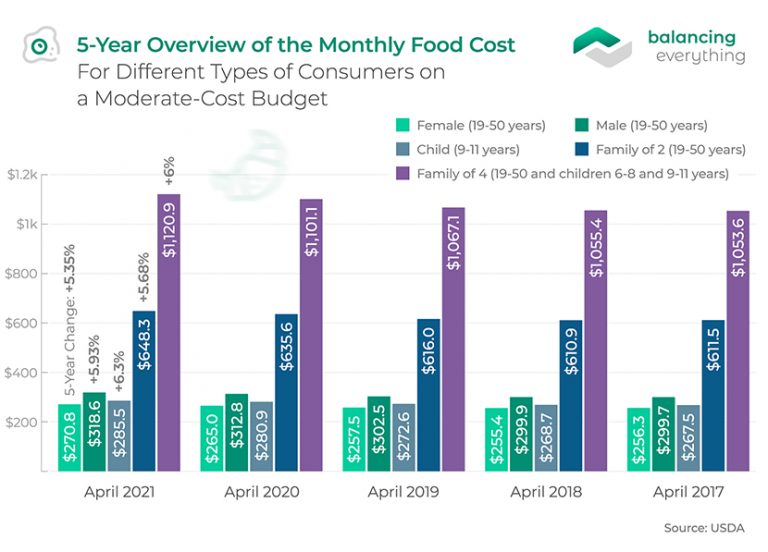
If you’re single and lucky, aim for $350-400 at the grocery store. Add another $100-150 for eating out, unless you’re a saint or a hermit. That’s your real monthly average—unless you live in San Francisco, in which case double everything and cry a little.
And remember: that $67 receipt from last week? It’s not a failure. It’s a wake-up call written in receipt paper. You can tweak your habits, laugh at the prices, and still feed yourself without selling your soul—or your avocado toast. Now go eat something, but maybe skip the truffle oil.

