
In the US, all-purpose flour is a common term, but in the UK, it's not as widely used. Instead, you'll find plain flour or self-raising flour on the shelves. The main difference between the two is that self-raising flour has baking powder added to it, which means it's perfect for recipes that require a light and fluffy texture, like scones or cupcakes.
So, why should you care about the type of flour you use? Think of it like choosing the right tool for the job - you wouldn't use a screwdriver to hammer a nail, would you? Using the right type of flour can make all the difference in the world, and it's especially important if you're trying to recreate a recipe from a different country or culture.
For example, if you're trying to make a traditional British Sunday roast, you'll want to use plain flour to make the perfect gravy. But if you're trying to make a delicate French pastry, you might want to use a , which is finer and more delicate than plain flour.
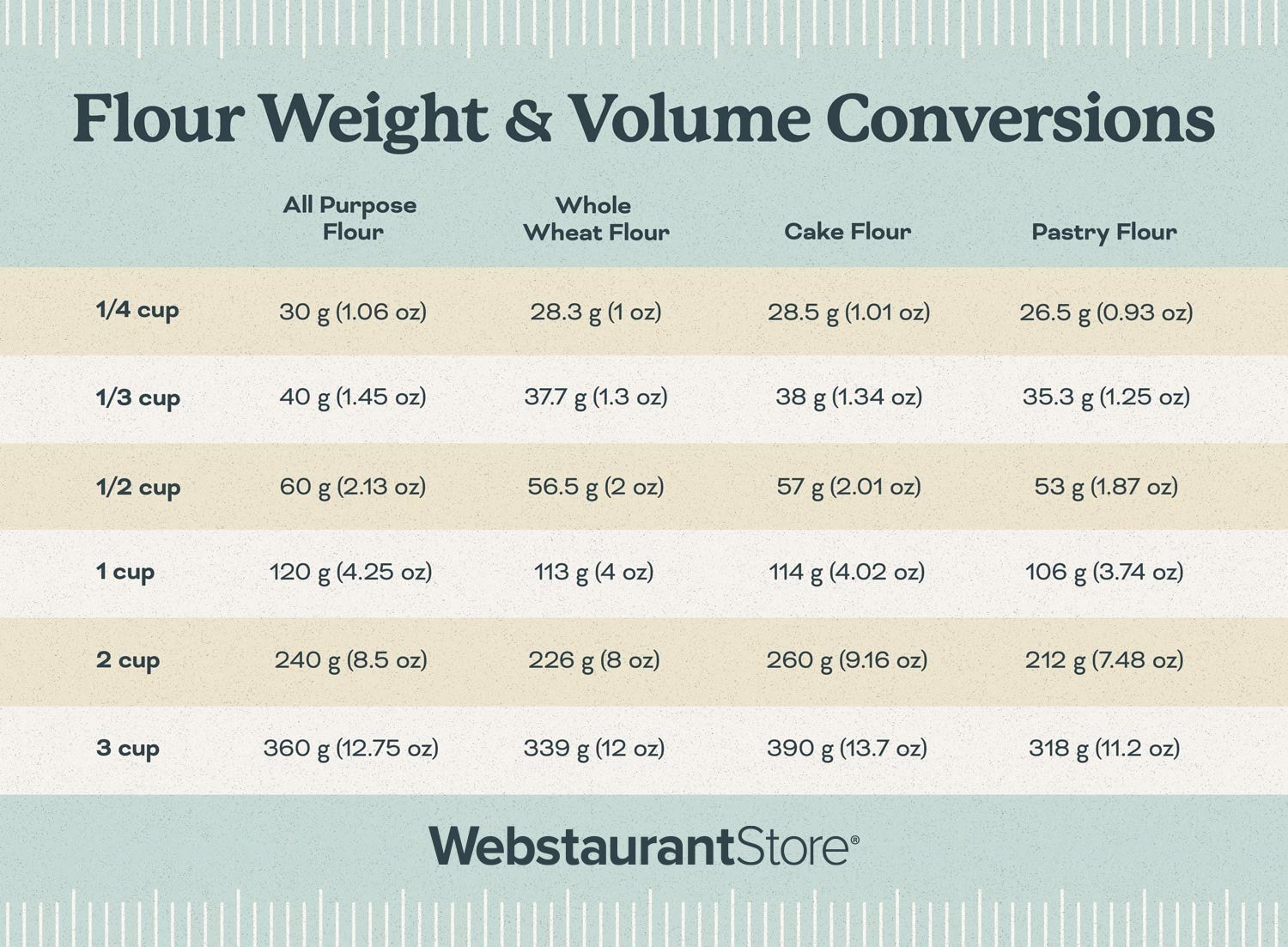 How to Measure Flour Properly (w/ Volume Conversions)

