
First off, let’s clear the air about witches. If you picture a green-face lady stirring a cauldron of eyeballs, that’s a Hollywood invention, not a scientific reality. Anthropologists and historians actually have a field day here—they’ll tell you that “witchcraft” was often just a convenient label for social outcasts or people with local herbal knowledge.
Remember that neighbor who always knows the best remedy for a cough, or who talks to their plants? Yeah, in the 1600s, that person would have been burned at the stake. Today, we call them “the nice person with a garden.” Science sees the witch archetype as a cultural scapegoat, not a supernatural sorcerer.
When you actually look at the “powers” attributed to witches—like cursing someone or controlling the weather—psychology says it’s all about confirmation bias. If you think your annoying coworker put a hex on you, you’ll notice every bad thing that happens that day. The parking ticket? That’s the hex. The coffee running out? Definitely the hex. It’s like blaming a broken shoe on a gremlin.
Demons: The Unwanted Roommates in Your Head
Now, onto demons. These guys get a bad rap, but science has a very different “exorcist” on speed dial: the neurologist and the psychiatrist. Let’s be real for a second. Have you ever woken up in the middle of the night, felt a heavy weight on your chest, and absolutely sworn something evil was in the room? You’re not possessed; you’re just experiencing sleep paralysis.
Sleep paralysis is a glitch in your brain’s wake-sleep cycle. Your body is still in “paralyzed dream mode,” but your mind is awake. The result? You feel a presence, sometimes a malevolent one, because your brain is doing its best to make sense of the weird sensory input. It’s like your brain is a bad movie director, casting a demon as the villain in a boring “I can’t move” scene.
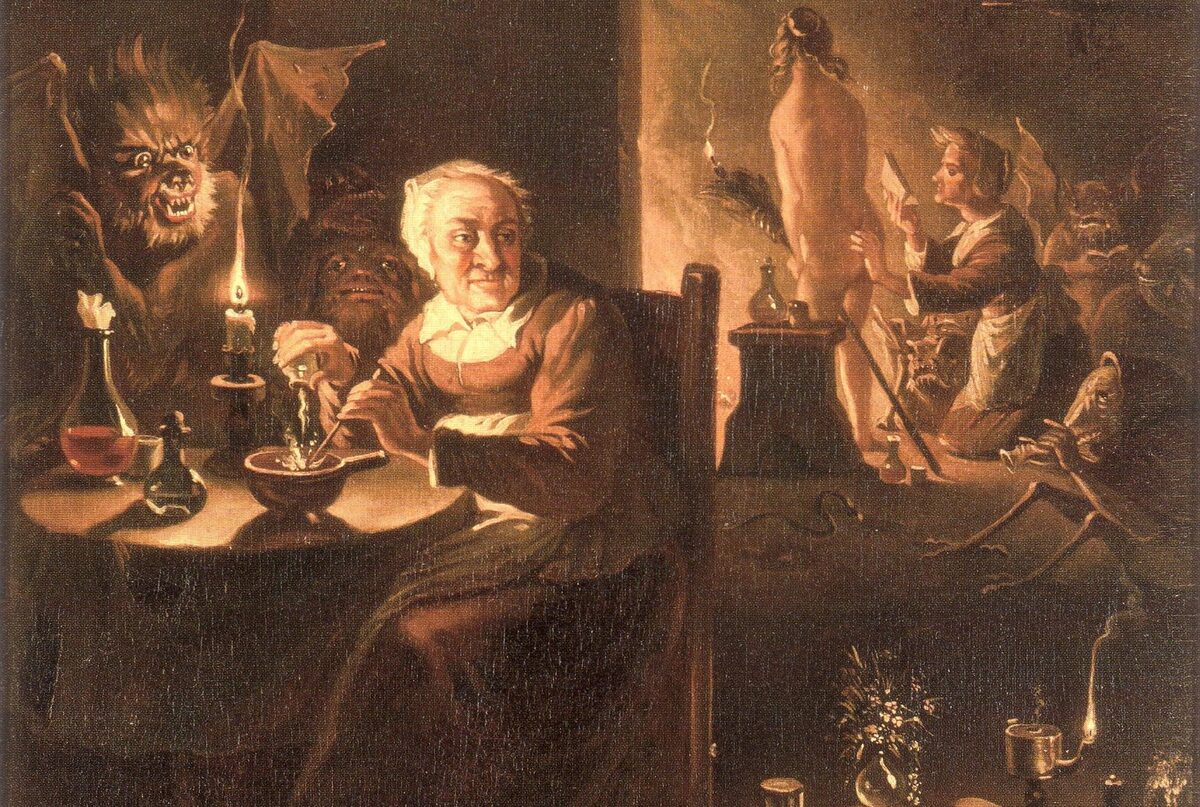 La historia y origen de la brujería en el país - La Tercera
And what about those classic demonic possession symptoms—like speaking in tongues or superhuman strength? Dr. Phil’s not handling that; real doctors are. Temporal lobe epilepsy, schizophrenia, or even severe anxiety attacks can produce those exact symptoms. A person having a psychotic break might speak in strange patterns or feel like they’re being controlled. It’s terrifying, but it’s a medical condition, not a spiritual infestation.
Think of it this way: if your laptop suddenly starts playing satanic music, you don’t call a priest. You call a tech guy to check for a virus. The human brain is the same—it can get “viruses” too, called mental illness.

