
Not all 7s are created equal. An English Literature 7 feels different from a Physics 7. Physics? You need to master both equations and common sense. A 7 there is like surviving a tornado with only a broken umbrella. History? You had to convince an examiner that you care about the Treaty of Versailles. A 7 in that is basically a PhD in lying passionately about dead people.
And let’s talk about Art. Scoring a 7 in Art is a miracle of interpretation. You basically tell the examiner, “This splodge of blue represents my profound sadness about the housing market,” and they nod and give you a 7. Meanwhile, in Maths, if you misplace a decimal point, you go straight to a 6 and your dreams of engineering vanish into the ether. Life is unfair, and so are grade boundaries.
What Does a 7 Actually Unlock?
Practically speaking, a 7 opens many doors. Most sixth forms and colleges ask for a 6 or 7 in specific subjects to let you study them at A-level. Want to take Chemistry? A 7 in GCSE Chemistry says, “Yes, you can handle the moles and the beakers and the teacher who laughs too hard at lab accidents.” A 7 is the key that turns the lock—and it’s a very nice, brass-coloured key.
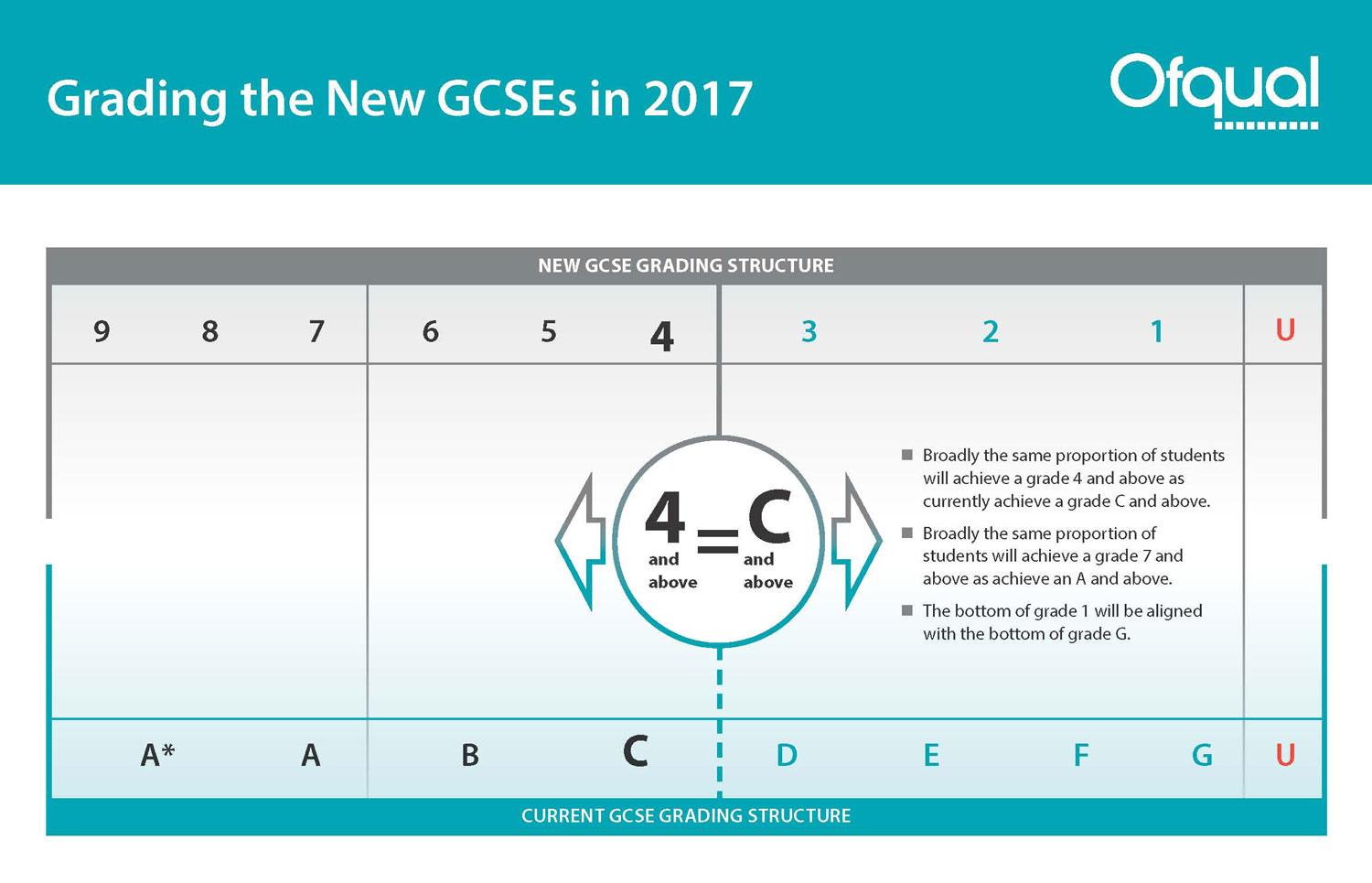 Gcse Grades Which GCSE Subjects Saw The Biggest Drop In Grades?
But here’s the kicker: employers and universities don’t obsess over the difference between a 7 and an 8 as much as you think. They care about the overall picture. A 7 in English, a 7 in Maths, and a 7 in Science? That’s what we call a clean sweep. It screams, “I am competent, I have life skills, and I can probably fold a fitted sheet.”

