Here’s where it gets properly silly. England has had a few accidental capitals. When the Black Death swept through in the 14th century, the king and his court fled London like it was a haunted house. They set up shop in various places, making towns like Oxford and Gloucester temporary capitals for a few frantic years.
And don’t get me started on the Civil War. For a brief, chaotic stint in the 1640s, Oxford became the Royalist capital while London was held by the Parliamentarians. Imagine the local pubs: “Yes, we’d like a pint and a temporary government, please.”
Think of it like a friend who borrows your couch for a month and suddenly claims the TV remote is theirs. England’s capitals have done exactly that.
The Ultimate Trick Question
So, if you’re cornered at a party and asked for the capital of England, what do you say? The safest bet is “London.” But if you want to summon the spirit of a medieval pedant, you can whisper: “It depends on the century, and whether the king was hiding from the plague.”
Frankly, the whole situation is a bit of a mess. The United Kingdom has no single, official, written-down “capital of England” in its constitution. It’s all tradition and habit. It’s like asking “What’s the best flavor of crisps?” – everyone knows it’s salt and vinegar, but cheese and onion fans will fight you in the street.
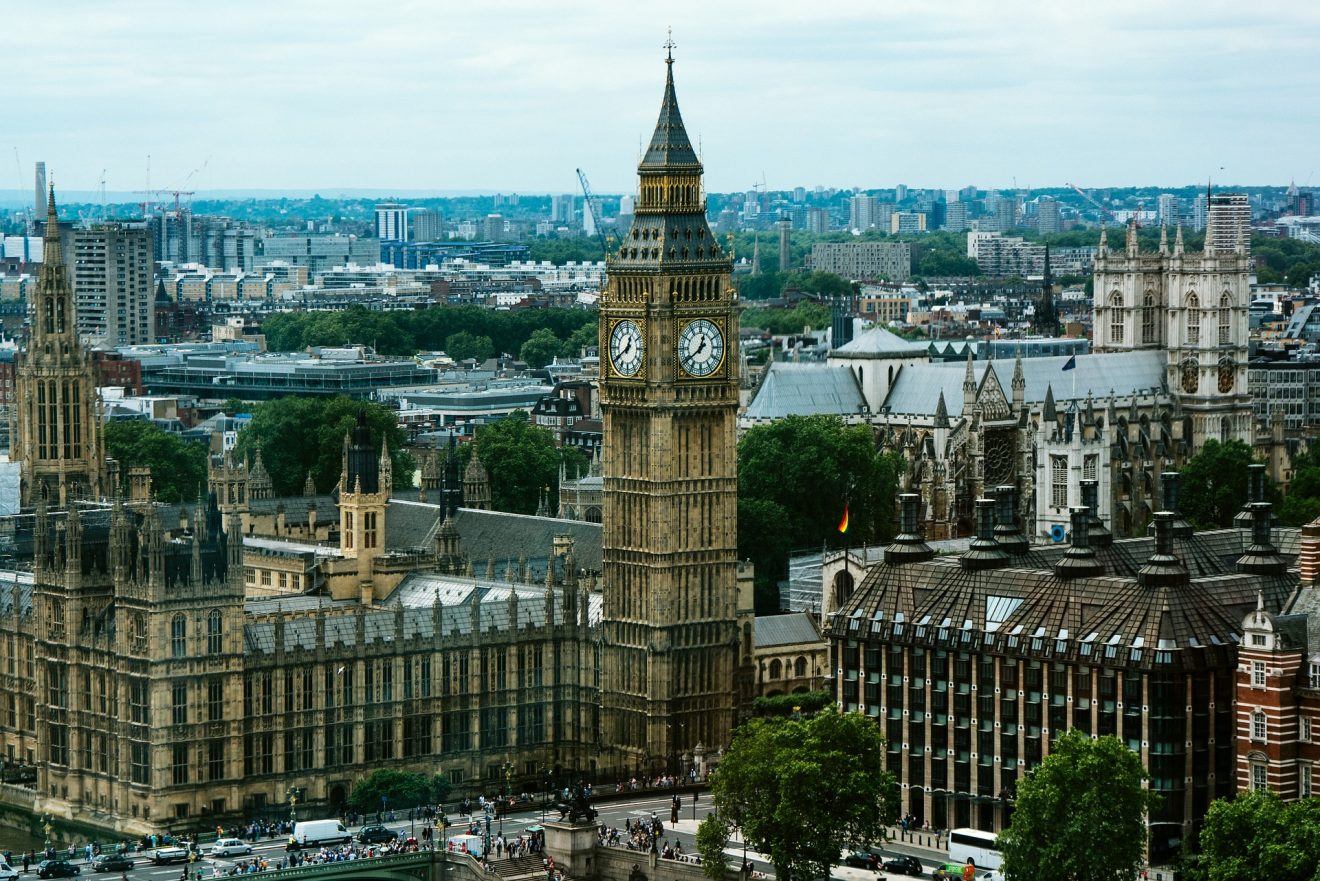 80 Stunning London Facts About the Capital of England