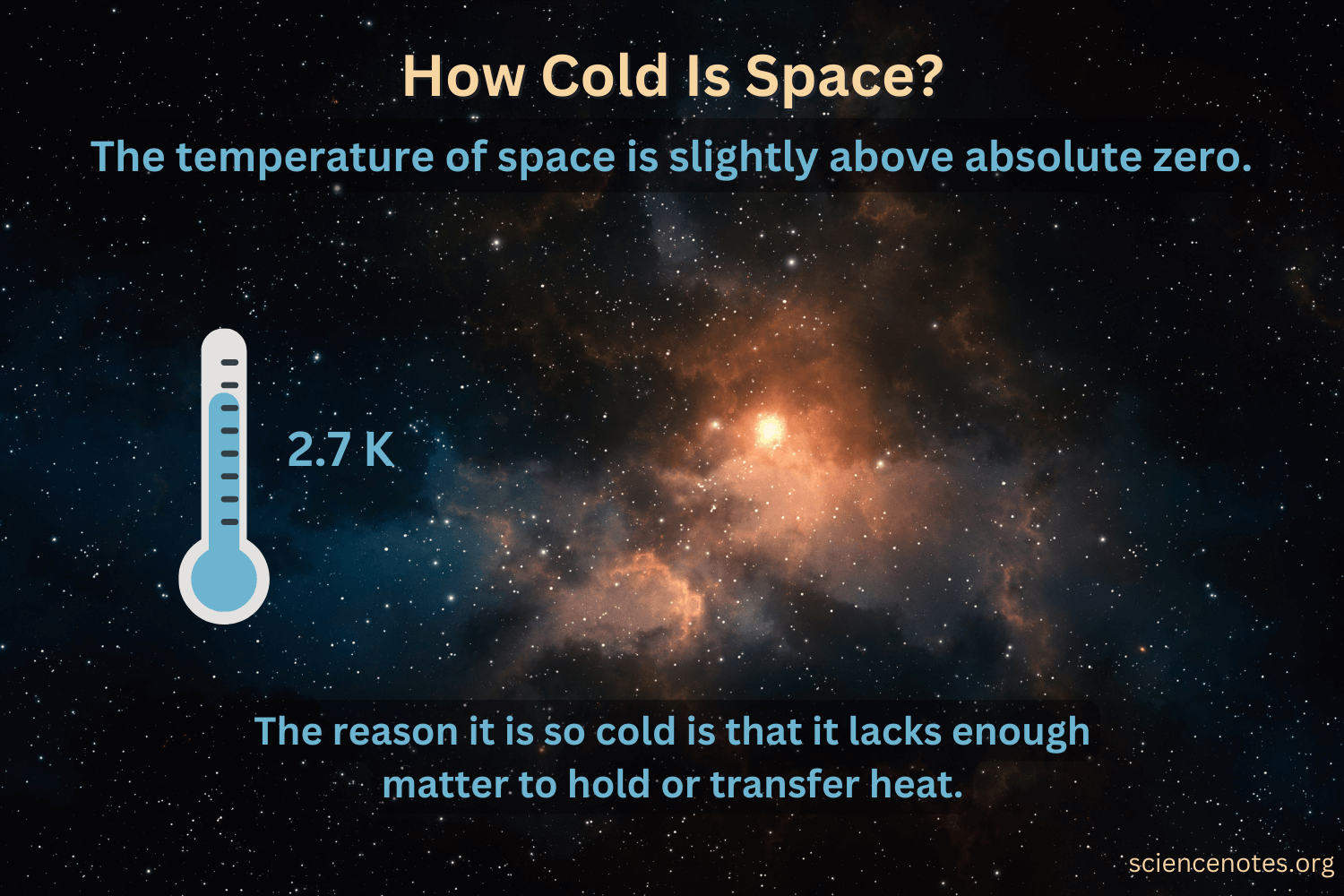
But here's the thing: space isn't just one big cold room – it's got its own set of temperature fluctuations. For example, the cosmic microwave background radiation is a kind of residual heat from the Big Bang, and it's a toasty 2.7 degrees Kelvin (-270.42 degrees Celsius). That's almost balmy compared to the rest of space, right?
In other areas of space, like near stars or black holes, temperatures can get really hot – we're talking millions or even billions of degrees. That's like sticking your hand in a galactic toaster – not recommended, by the way. So, it's all about perspective: space can be both extremely hot and extremely cold, depending on where you are.
Now, you might be wondering how scientists measure the temperature of space in the first place. It's not like they can just stick a thermometer in a space-socket and call it a day. Nope, they use fancy things like spectrometers and infrared telescopes to detect the tiny fluctuations in energy that indicate temperature.
 LES ASTRONEWS de planetastronomy

