
Pollen doesn’t check a calendar, folks. It waits for nature’s green light: temperature and daylight.
In the southern United States, tree pollen can start as early as January. Up north? You’re usually safe until March or early April.
But here’s the kicker: a single warm, sunny day in February can trick the trees into exploding with pollen. Mother Nature loves a good plot twist.
Tree Pollen: The Early Bird
Tree pollen is the opening act of the pollen season. It usually kicks off in early spring, right when you’re itching to throw open the windows.
Oaks, maples, birches, and junipers are the main culprits. They release their powdery payloads before the leaves even appear—so you can’t see the enemy, but you’ll feel it.
Pro tip: Check your local allergy forecast starting in late February. It’s like checking the weather for your nose.
Grass and Weed: The Summer Sequel
Just when you think you’re safe, the grass pollen takes the stage. This usually hits in late spring through summer—May to July for most of us.
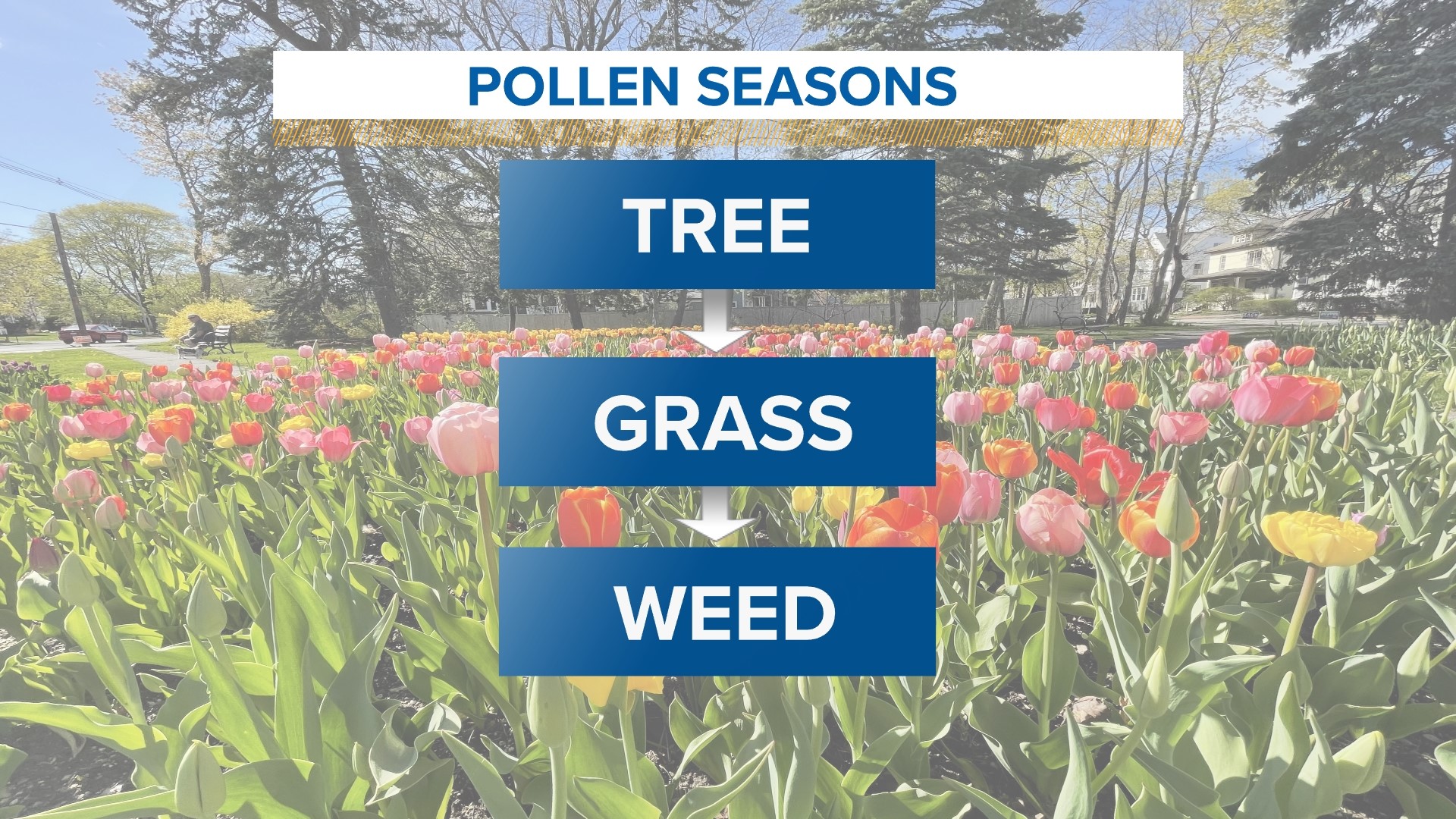 Explaining the different phases of pollen season, and how they impact
Then comes the final boss: ragweed pollen. That villain starts in mid-August and can linger into November, especially in the Midwest and East Coast.
Think of it as a three-act play: Trees (Act I), Grasses (Act II), Weeds (Act III). And yes, the final act sometimes gets an encore.

