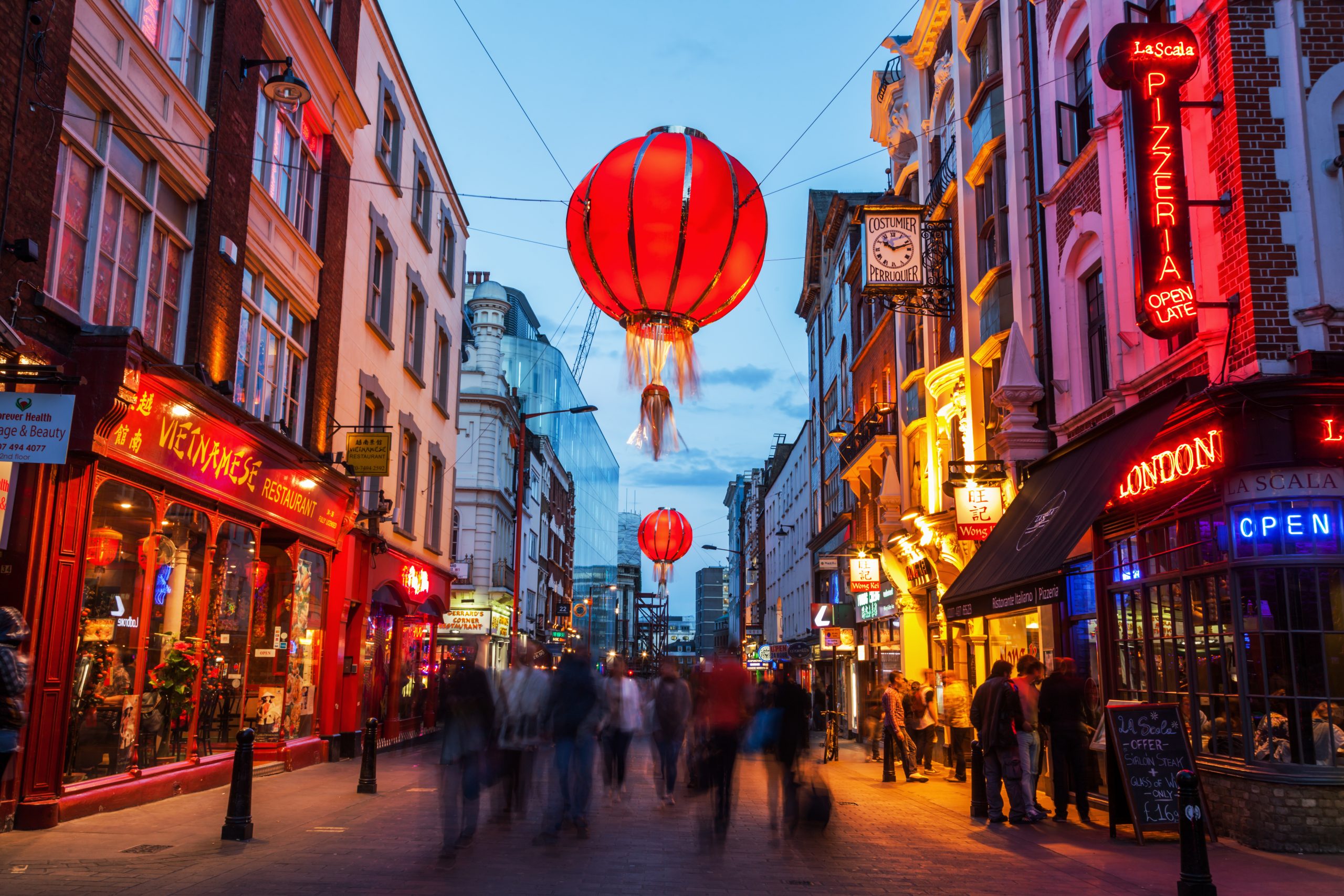
By the 18th century, the hunting grounds were long gone, replaced by grand townhouses for aristocrats. But the wealthy soon fled west to Mayfair and Belgravia, leaving Soho to become a haven for immigrants, artists, and misfits. French Huguenots, Italian musicians, and Greek cooks all set up shop here.
This melting pot gave Soho its rebellious edge. It became famous for its bohemian theaters, secret gay clubs, and red-light vibrancy—all while keeping that old hunting name. The irony is thick: a hunter’s cry now echoes over drag shows and late-night karaoke.
Today, the name feels less about history and more about attitude. Soho is the part of London that refuses to grow up, a pocket of chaos in a city obsessed with order. The name is a badge of that defiance.
Practical Tips for the Modern Soho Explorer
Walk don’t talk—the tube can be a maze, but strolling down Berwick Street Market or Dean Street is the best way to absorb the energy. Look up at the original 17th-century townhouses that still line the side streets.
Visit at 11 AM on a Tuesday for a quiet coffee at Bar Italia (a Soho institution since 1949). Then return at 11 PM on a Saturday for the full neon spectacle. The contrast is the whole point.
 Das sind die 12 besten Viertel in London - von Shoreditch bis Richmond
Don’t look for a blue plaque explaining the name—there isn’t one. Instead, peer into the alleyways. You might spot a small sign reading “Soho Fields” near Soho Square, a nod to the vanished hunting grounds.

