
There’s a specific kind of dread that comes with checking your bank account in January. It’s the same feeling you get when you hear the boiler make a funny noise. But for millions in the UK, there’s a small, government-funded comfort blanket waiting in the wings. We’re talking about the Cold Weather Payment.
It’s not a lottery win, but it’s a £25 boost that hits your bank account when the mercury really plummets. Think of it as the state’s way of buying you a hot water bottle and a pint of milk. Let’s break down exactly how much you get, and more importantly, how to know if a frosty £25 is heading your way.
So, How Much Are We Talking?
The number is remarkably simple: £25 for each seven-day period of very cold weather. This isn’t a one-off payment; it triggers every time the average temperature in your area drops to zero degrees Celsius or below. If it’s a freezing week in Glasgow, you get £25. If it’s another freezing week next month, you get another £25.
To put that in context, that’s enough for a takeaway curry for two (if you skip the poppadoms). Or, more practically, it covers the cost of running an electric heater for a few extra hours each day. The system is designed to kick in between November 1st and March 31st, which is basically the official season for hibernation and chapped lips.
There’s a little-known cultural sibling to this, the Winter Fuel Payment, which is a much larger, annual lump sum for pensioners. But the Cold Weather Payment is the nimble, reactive one—it’s the splash of cash you get when the weather gets proper Game of Thrones levels of grim.
Who Actually Gets the Money?
This is where it gets a bit specific. You don’t just get it because you’re cold. You need to be receiving a specific benefit, such as Pension Credit, Income Support, Jobseeker’s Allowance, or Universal Credit. The government cross-references your postcode with local weather station data.
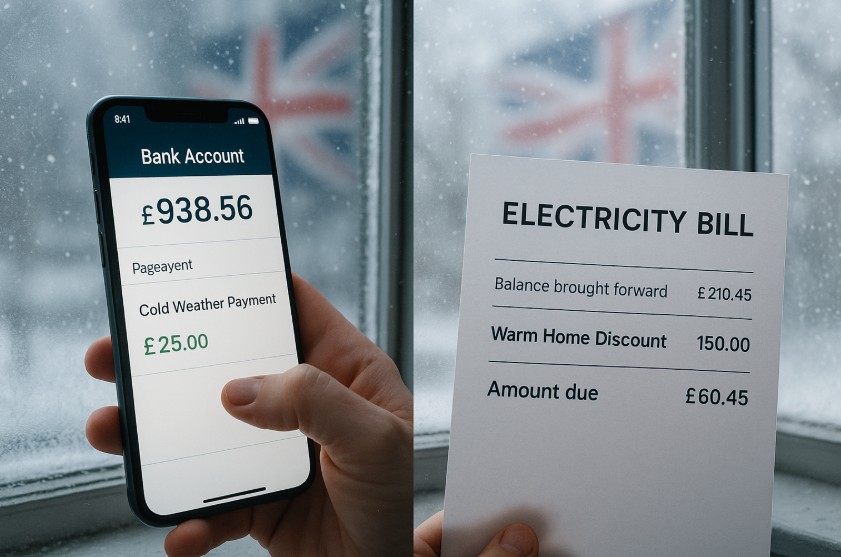
Here’s a fun fact: the system is automated. You don’t need to fill out a form or call anyone. When your local weather station records the temperature hitting zero or below for seven consecutive days, the payment is triggered. You’ll usually see the £25 land in your account within 14 working days, often with the code “DWP CWP” in the reference.
 £140 Cold Weather Payment: When Will It Be Paid? - UK Benefits
Think of it as a digital hug from the Department for Work and Pensions. There’s no application, no panic, no frantic searching for a stamp. It’s one of the few government processes that feels surprisingly smooth—like a well-oiled turnstile in a tube station during a heatwave.
When Does the “Cold” Count?
The key word here is average. It’s not about a single blizzard on a Tuesday. The Met Office checks the average temperature over a full seven-day period. So, a week of mild days followed by a sudden, sharp freeze might not trigger it. You need a sustained, consistent chill.
There is a specific list of 92 postcode areas connected to 72 weather stations. If your postcode falls outside these, you won’t qualify, even if it’s literally snowing in your garden. It’s a bit like the postcode lottery, but with less glamour and more woolly socks. You can check your eligibility on the GOV.UK website by simply entering your postcode.
For context, the average person spends about £1,400 a year on home energy. A few £25 payments won’t solve that, but they can soften the blow of a particularly brutal February. It’s the difference between having the heating on for three hours instead of two, or buying that fancy extra duvet you’ve been eyeing up at IKEA.
Practical Tips to Make It Stretch
If you get a payment, don’t just spend it on a single Uber ride. Use it strategically. First, put it towards a hot water bottle—they cost about £5 and can save you hours of heating. Second, invest in a pair of thermal curtains; they can reduce heat loss by up to 25%.
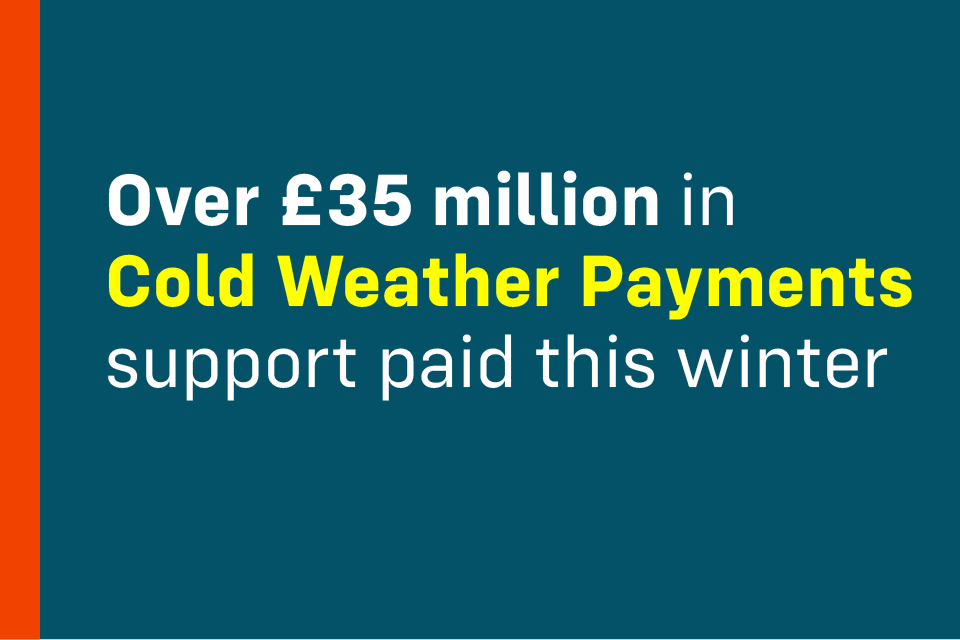 Over £35 million in Cold Weather Payments support paid this winter - GOV.UK
Third, and this is my personal favourite, use the £25 to pre-buy a week’s worth of slow cooker ingredients. A cheap cut of beef, some carrots, and a can of Guinness will keep your kitchen warm and your belly full for days. It’s pure, low-effort comfort.
Also, know that if your power goes out during a cold snap, you might be eligible for a separate payment from your energy supplier under the Guaranteed Standards of Performance. It’s a different pot of gold, but worth knowing about when the lights flicker.
A Quick Cultural Note
The Cold Weather Payment is a uniquely British quirk, like queueing or apologising for the weather. In warmer countries, they don’t have a government mechanism for “it’s a bit nippy.” It’s a reminder of our collective, slightly stoic acceptance that winter is just going to be a bit rubbish, and that’s okay. There’s even a red zig-zag symbol on the weather forecast that gets us all excited—the official symbol for “time to check your bank account.”
Think of it as the fiscal equivalent of the Christmas No. 1—predictable, comforting, and arriving just when you need it most. It’s a small ritual in the bleak midwinter, a tiny victory against the relentless wind.
The Final Reflection
In the grand scheme of things, £25 is not a life-changing sum. But a Cold Weather Payment is rarely just about the money. It’s a quiet signal that the system is paying attention. That someone, somewhere, knows it’s freezing outside and has decided to help you keep the kettle on. It’s a small, bureaucratic act of solidarity that makes the daily commute, the icy pavement, and the boiler’s grumble feel just a little more manageable. So, when the temperature drops, check your bank. You might just find a little warmth waiting there.

