
Yes, I know. In the grand scheme of things, a clunky website is a very first world problem. But when you’ve just endured a Zoom meeting where your boss asked if you were “dressed for a tango,” and you’re in your too-short pyjama bottoms, the urgency feels real. Ironic, isn’t it? M&S, the king of dependable British basics, can’t seem to get the basic digital experience right.
I don’t blame the shop assistants, of course. The person folding the cashmere jumpers is a saint. But the system? It feels like it’s held together with string, hopes, and a few leftover Percy Pigs. The mobile app isn’t much better—it’s like they designed it to work perfectly only when you’re standing inside the actual store. Useless.
Why We Still Care (And Why You Should)
Here’s the thing: we want M&S to succeed. It’s a British institution. We have emotional attachments to their roast chicken, their school shoe department, and those perfect cotton pyjamas. So when their website fails, it feels like a betrayal. It’s like your favourite aunt suddenly forgetting your birthday—disappointing and a little rude.
Compare it to their competitors. Next? Their site is a well-oiled machine. John Lewis? Sleek and usually painless. M&S? It’s like the digital equivalent of finding a stray hair in your prawn sandwich. Still edible, but you eye it with suspicion. They know this, too—their sales events often crash the site faster than a British summer rain.
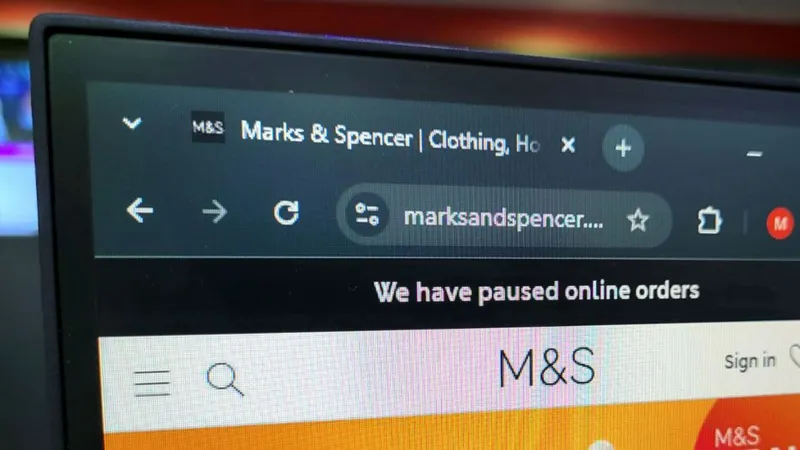 M&S Cyber Attack: Why Recovery Is Taking Longer Than Expected

