Okay, so you’re stubborn and you want to use self-raising flour for a cake. Fine. I see you. Here’s your lifeline: subtract the raising agents. For every cup of self-raising flour, pretend you’ve already added 1½ teaspoons of baking powder and ¼ teaspoon of salt. So, remove that much from your recipe. It’s a little mental gymnastics, but it works.
 Plain vs Self-Raising Flour: The Difference & Magic Ratio
But wait—what if the recipe calls for both plain flour and extra baking powder? That’s a trap. Self-raising flour already has that covered. Using it would double the leavening. Your cake might rise like a rocket, then collapse into a sad crater. Trust me, I’ve seen it. I still have the photos to prove it.
The Golden Rule for Bread
Bread is a whole different beast. You want structure, chew, and a crust that fights back. Self-raising flour makes bread too soft and crumbly. It’s like trying to build a skyscraper with marshmallows. Don’t do it. Stick with plain flour and let the yeast do its slow, magical dance.
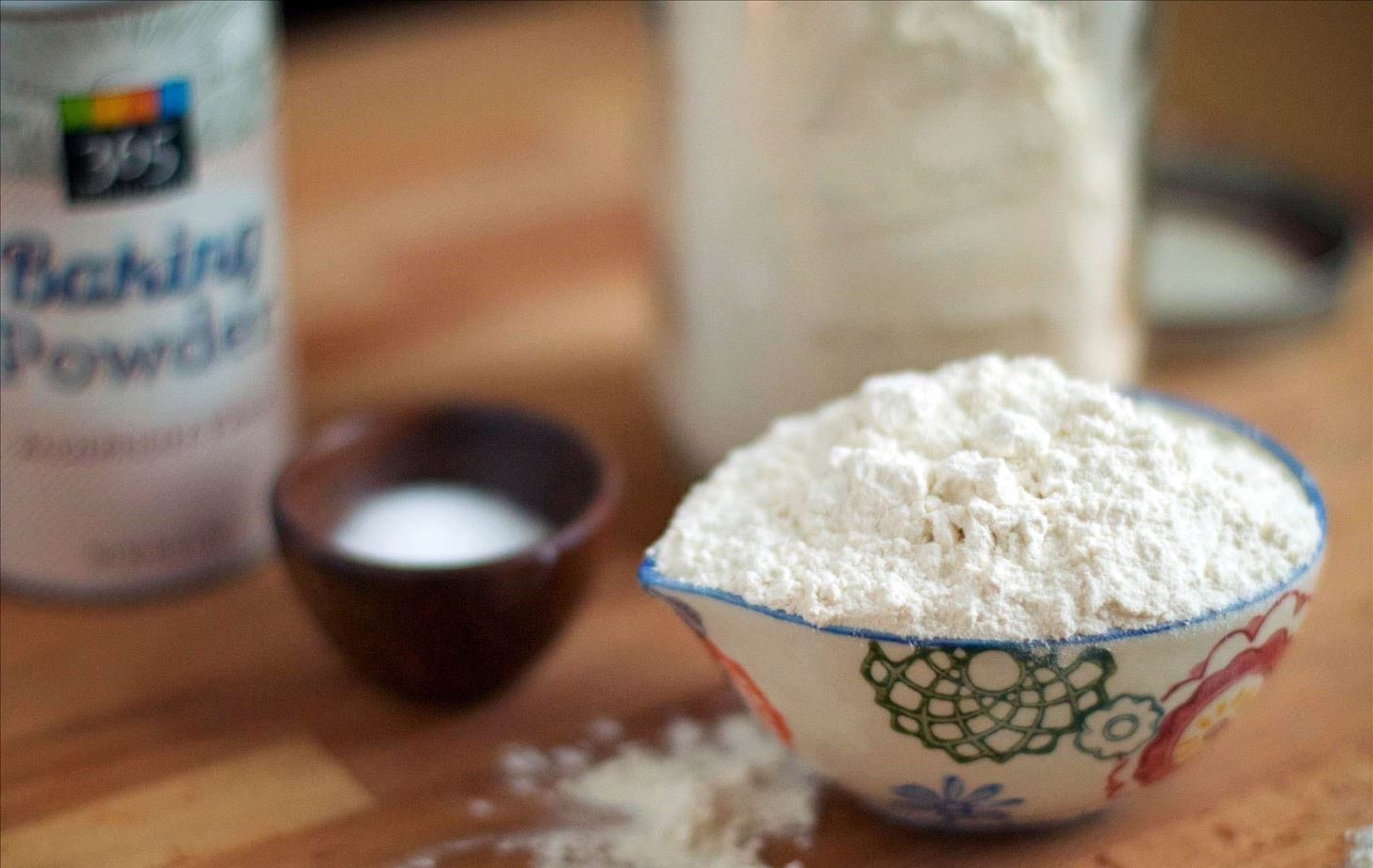 can i use self raising flour instead of plain flour and baking powder
What about pizza dough? Same story. You need that chewy, crisp base. Self-raising flour will give you a sad, cake-like crust. Your toppings will slide off in protest. Your friends will judge you silently. No, thank you.