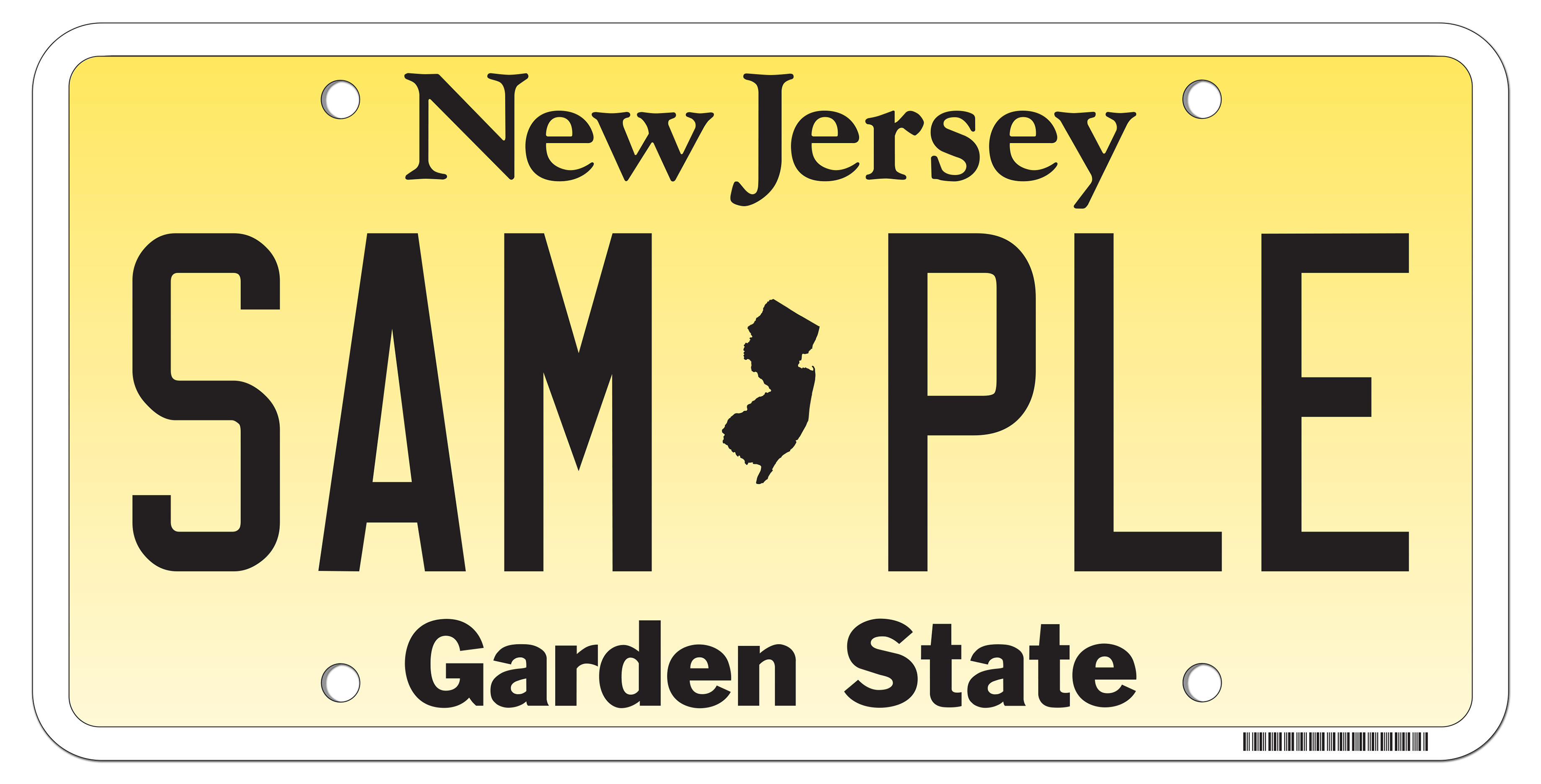
Yes, you read that right. The new design is going retro, sporting a bold yellow background with deep blue letters. It’s a deliberate nod to the classic plates from the 1970s and ‘80s. If that sounds a little wild, just imagine your car suddenly wearing a vintage Members Only jacket. It’s a look. You might not know if you love it or hate it, but you’ll definitely stare at it in traffic.
I personally had a moment of panic when I first saw the mockup. I thought my minivan was about to turn into a banana. But then I remembered: bananas are iconic. They’re cheerful. And frankly, after years of squinting at faded blue plates in a parking lot, a pop of yellow sounds like a small party for your bumper.
The Real Drama: How It Works
Here’s where the average person starts sweating. The state is rolling this out gradually, starting in spring 2026. If you buy a new car or transfer a registration, you get the new yellow beauty. If your current plate is still readable? You can keep your old one for now. It’s like a wardrobe refresh—no one is forcing you to burn your favorite faded hoodie.
But let’s talk about the elephant in the room: peeling paint. If you own a car from 2015 or earlier, you know the struggle. Your plate is shedding paint like a bad sunburn, revealing a sad, gray plastic underbelly. The 2026 plate is allegedly built to be tougher, with a new manufacturing process. They promise it won’t flake off the moment a splash of Wawa coffee hits it. We’ll see.

