
Did you know ancient Egyptians were the original embalmers? Their process took 70 days, but it worked for millennia. Modern embalming is a 19th-century invention, perfected during the Civil War to ship fallen soldiers home by train. It’s a surprisingly young science.
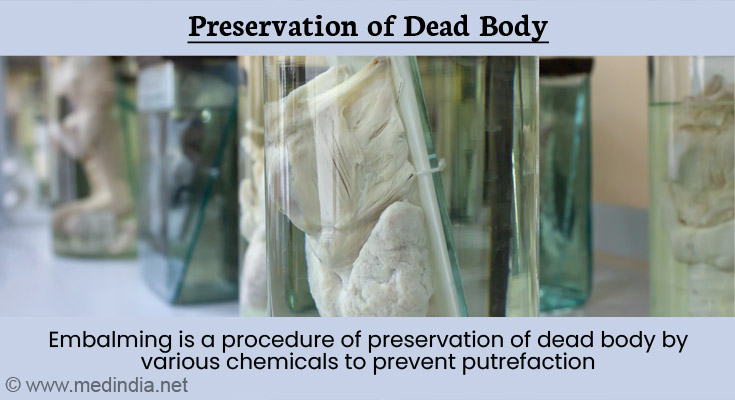 Embalming
Here’s a wild stat: the average body holds about six to eight liters of blood, which is replaced by roughly the same amount of embalming fluid. That’s like swapping out the oil in a car—but with a lot more existential weight. And yes, the fluid is dyed pink to give the skin a “lifelike” flush.
Practical Tips for Planning
Tip one: If you want an open-casket service, aim for no more than five days after death. Embalming works best when done within 24 hours of passing. The faster, the better the preservation. Tip two: Ask your funeral home about “cosmetic preservation.” They can use special waxes and sealants to touch up delicate areas like lips and eyelids.
Tip three: Don’t skip refrigeration. Even an embalmed body will degrade faster at room temperature. Most reputable homes store bodies at 36–40°F (2–4°C) between viewings. And tip four: If you’re planning a delayed burial (say, for an out-of-state family gathering), request a double-injection procedure. It’s more thorough and adds extra weeks of stability.

