
I know what you’re thinking: “Pork is the other white meat!” That’s a lie the pig industry told you in the 1980s. Science says red meat is defined by myoglobin levels, and pork has plenty. So sorry, bacon fans, you’re officially in the red zone. But don’t cry—this is a good thing.
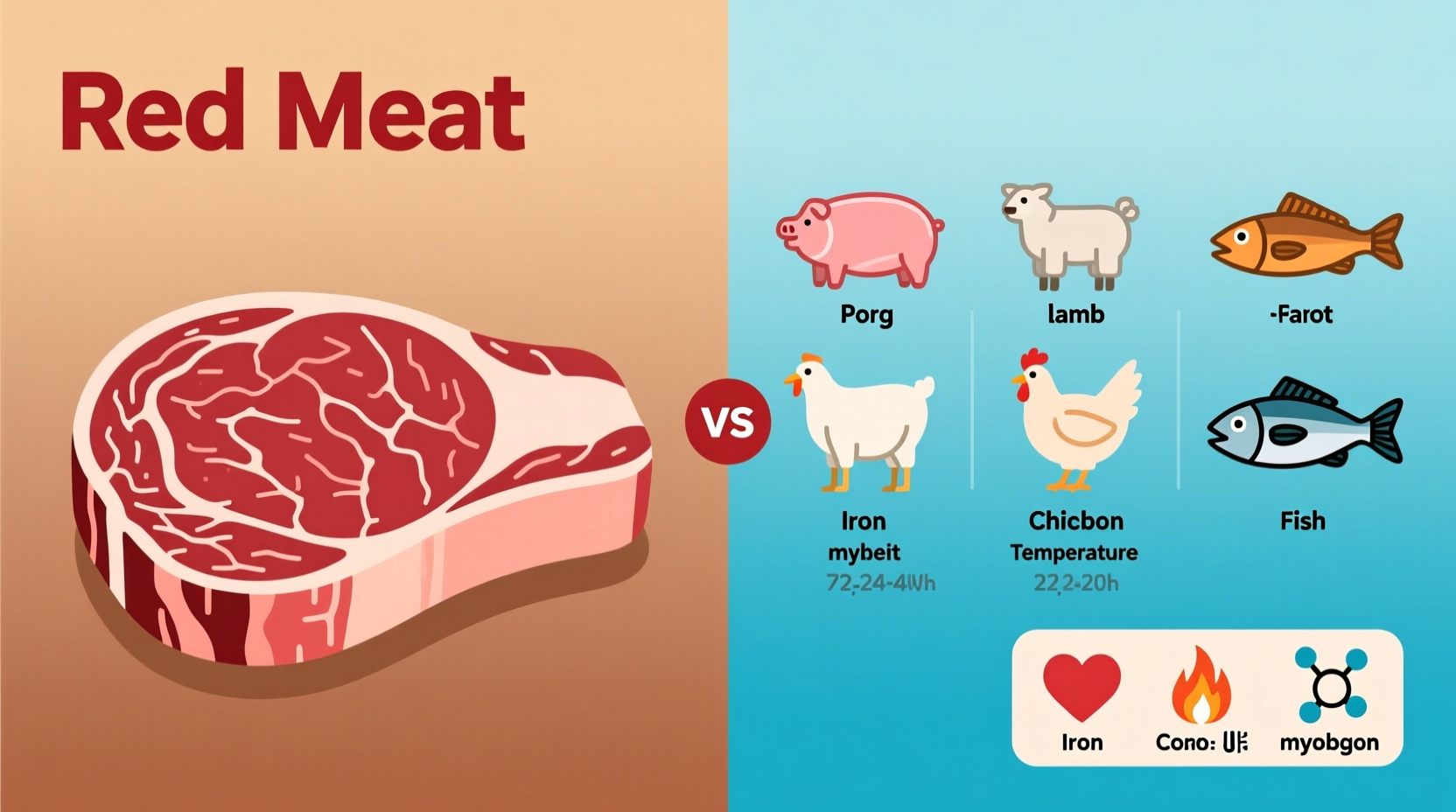 What Is Red Meat? Meaning, Types, Nutrition and Health Facts
Pork is the chameleon. It can be a succulent roast, a crispy chop, or a strip of pure joy called bacon. It’s the meat that goes with everything: apples, maple syrup, spicy rubs, and even chocolate (try it, I dare you). Warning: the pig is smarter than your dog. Eat it anyway.
Fun fact: humans have been domesticating pigs for 9,000 years. They are the ultimate recyclers, eating our leftovers and turning them into delicious, salty goodness. Respect the pig. It earned its spot on your plate through hard labor and high cholesterol.
Game Meats: The Exotic Show-Offs
Finally, we have the weirdos: elk, wild boar, and antelope. These are the meats you order to impress your friends or confuse your in-laws. They taste like whatever the animal ate, which means they can be “piney,” “grassy,” or “like a dirt road after rain.” It’s an adventure.
Wild boar is basically a pig that joined a motorcycle gang. It’s tougher, meaner, and tastes like it has stories to tell. Elk is like bison’s nicer cousin—lean, sweet, and almost polite. Almost.
Here’s the kicker: many game meats have more omega-3s than salmon. That’s right—you can eat a deer that got its daily dose of grass and heart health, all while feeling like a caveman. Win-win.
So there you have it. Red meat: a delicious, dramatic, and occasionally confusing family of flavors. Whether you’re a beef loyalist, a lamb adventurer, or a venison daredevil, just remember to cook it properly, season it boldly, and never apologize for ordering the steak. Your ancestors would be proud. Now go fire up the grill—the cows are waiting.

