
I took a tiny nibble, and my brain did a double-take. Instead of the sweet, floral notes I expected, I got a sharp, piney, almost medicinal blast, with a hint of camphor that reminded me of Vicks VapoRub. Not exactly a party trick for your next salad, right? (Unless you’re trying to clear your sinuses while eating.) Spanish lavender has a much stronger, more bitter flavor than its English sister, which is why chefs usually stick to English or French varieties.
Maria told me she uses it sparingly—like, sparingly sparingly. A single flower can overpower an entire dish. She once added three buds to a cake batter, and her guests swore the cake tasted like furniture polish. Oops.
Is it safe? Let’s talk the real risks.
Here’s the unsexy truth: Spanish lavender contains more camphor than other lavenders, which can be toxic in huge amounts. We’re talking about eating a whole plant’s worth, not a garnish. So a nibble or two? Fine. A bowl full of buds? You’d probably end up with a stomach ache, some dizziness, and a very interesting conversation with your doctor. (Don’t be that person.)
Also, warning: Not all Spanish lavender is organic. If you buy it from a garden center, it’s likely sprayed with pesticides meant to keep bugs away—not to spice up your dinner. So only eat it if you’ve grown it yourself or know the source. Your gut will thank you.
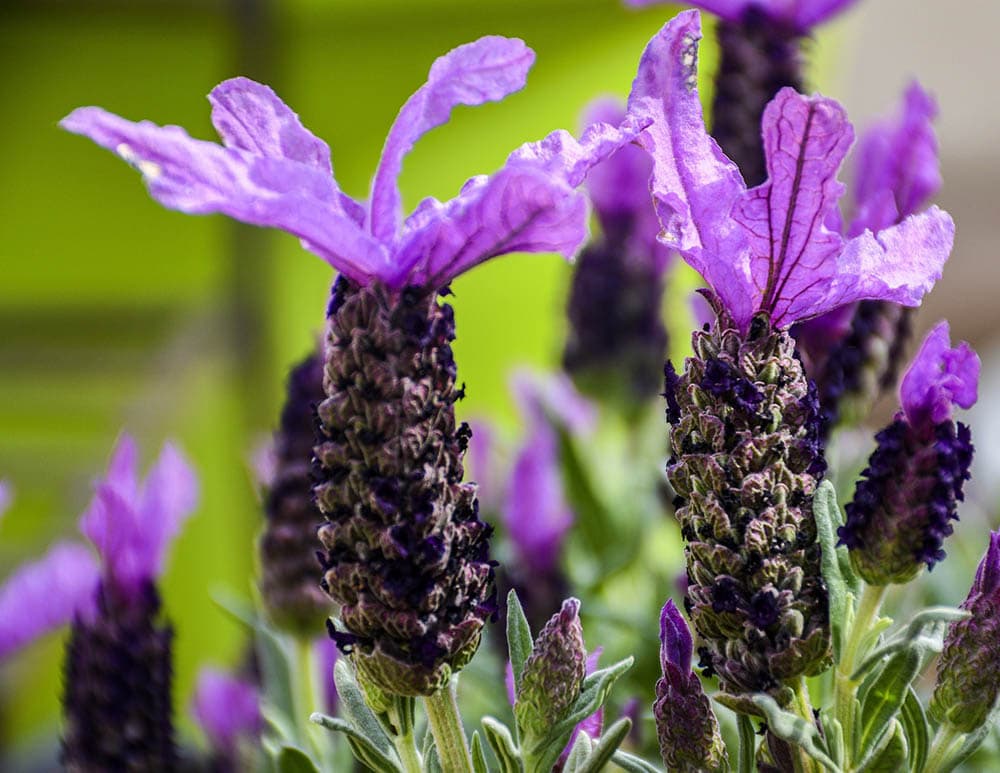 15 Types of Lavender to Grow at Home (with Pictures) | Home Grail

