
Don’t let the neon nails and fluorescent hair fool you. Bad Bunny gets political. His 2026 album Un Verano Sin Ti is stuffed with references to Puerto Rico’s struggles. “El Apagón” isn’t just a banger—it’s a protest song. He raps about the U.S. government’s mismanagement of the island, the debt crisis, and the gentrification of his homeland. In “Andrea,” he sings about femicide in Latin America. He’s not just making music—he’s archiving pain.
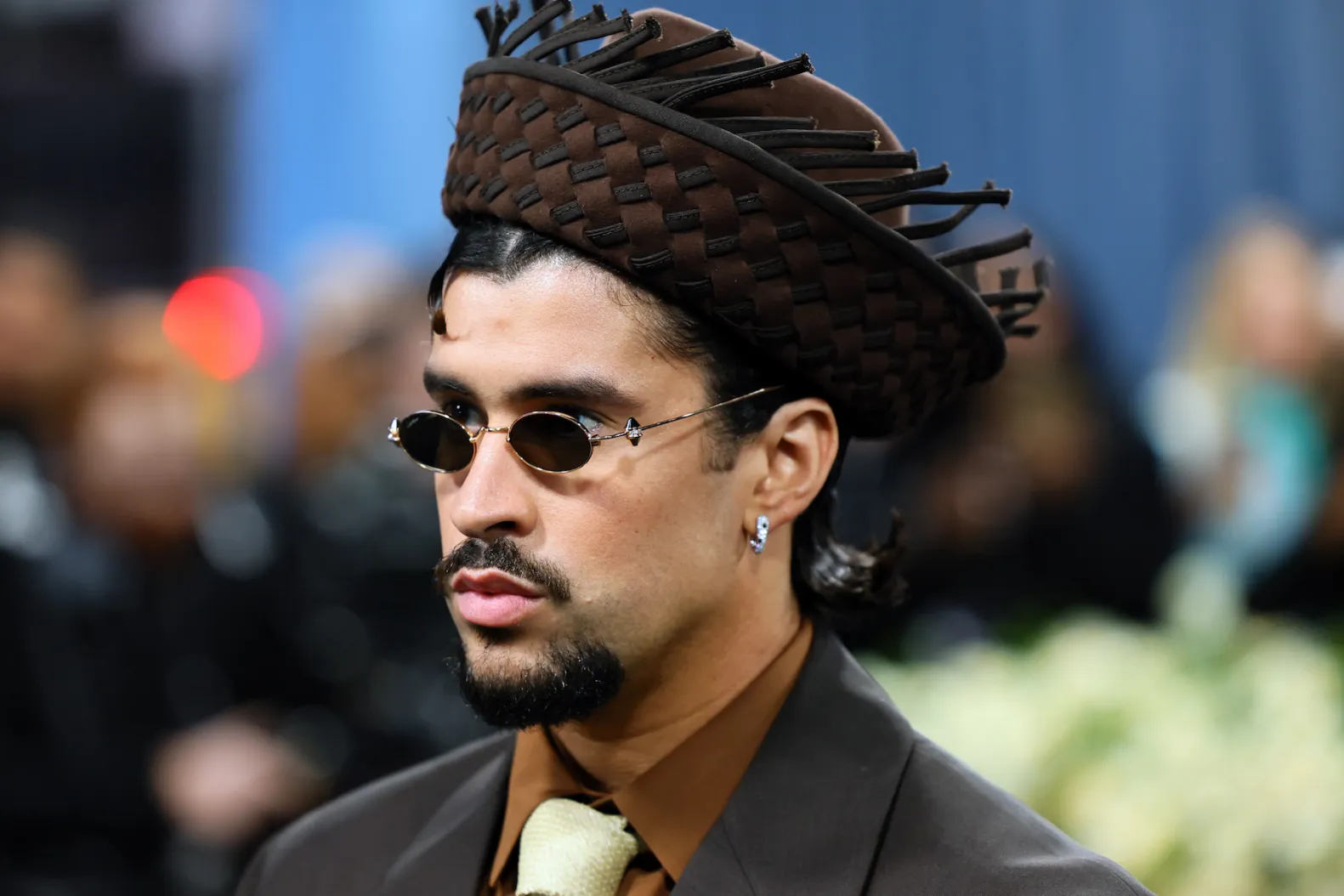 Bad Bunny and Reggaeton: How One Artist Redefined Global Music
And then there’s the mental health angle. In “Mojabi Ghost,” he talks about anxiety and the pressure of fame. He literally raps, “Me siento solo en la cima” (I feel alone at the top). It’s raw, it’s vulnerable, and it’s a reminder that even the guy with 30 million monthly listeners has bad days. (Pro tip: listen to it on a rainy afternoon—you’ll feel less alone.)
Gender, Identity, and Breaking the Mold
This is where Bad Bunny really stands out. He’s been called a “gender-bender” by the media, but it’s deeper than that. He raps about homophobia and toxic masculinity. In “Yo Perreo Sola” (yes, that song again), the music video features him dressed as a woman. He says, “Ni aunque me paguen un trillón” (Not even for a trillion) would he stop supporting LGBTQ+ rights. He rejects the “macho” reggaetón stereotype, crying on stage, kissing men in music videos, and openly calling out patriarchy. It’s rebellious, but also deeply human.
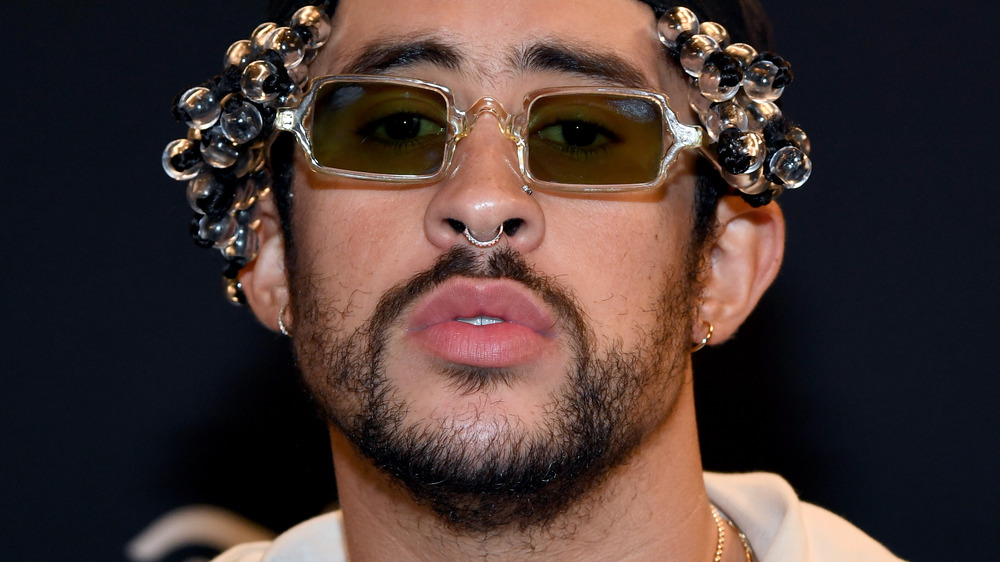 How Tall Is Bad Bunny? Rapper’s Height And Presence

