Some people ask: “Why not just build a whole new DNA from scratch?” That would be like trying to redraw the Mona Lisa without the original. It’s a disaster waiting to happen.
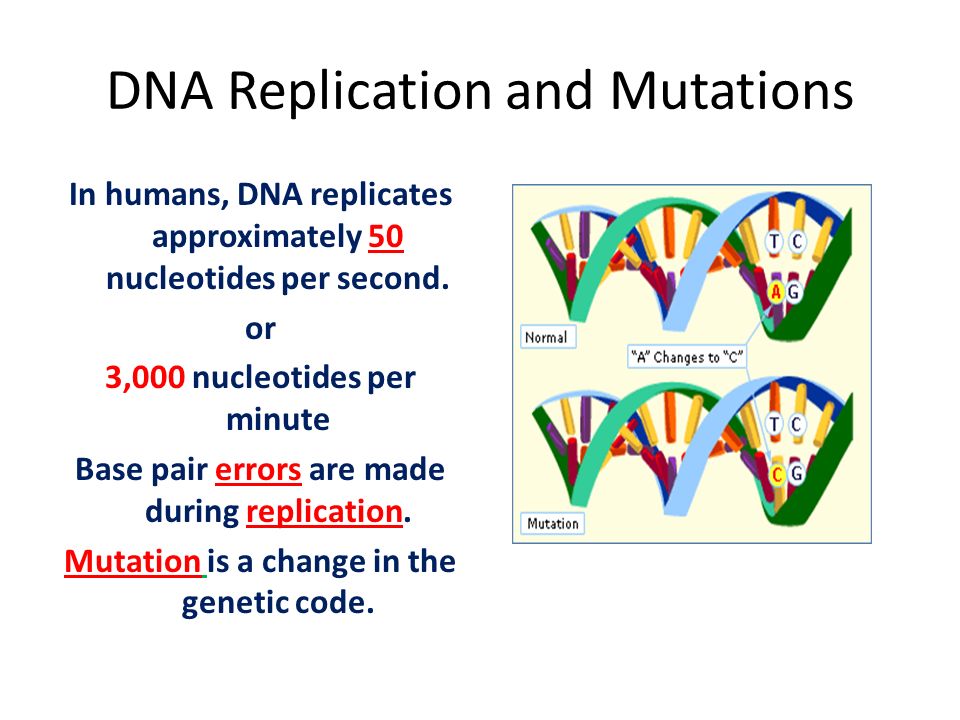 How Does Semi Conservative Replication Help Prevent Mutations
Semi-conservative replication gives you a safety net. The old strand holds the correct information. The new strand can only follow orders. No one goes rogue.
If you had a completely new copy, every typo would become permanent. No fixes. No second chances. That’s how you end up with cancer or weird diseases. Not fun.
The Quirky Part: It’s Like a Flip-Flop
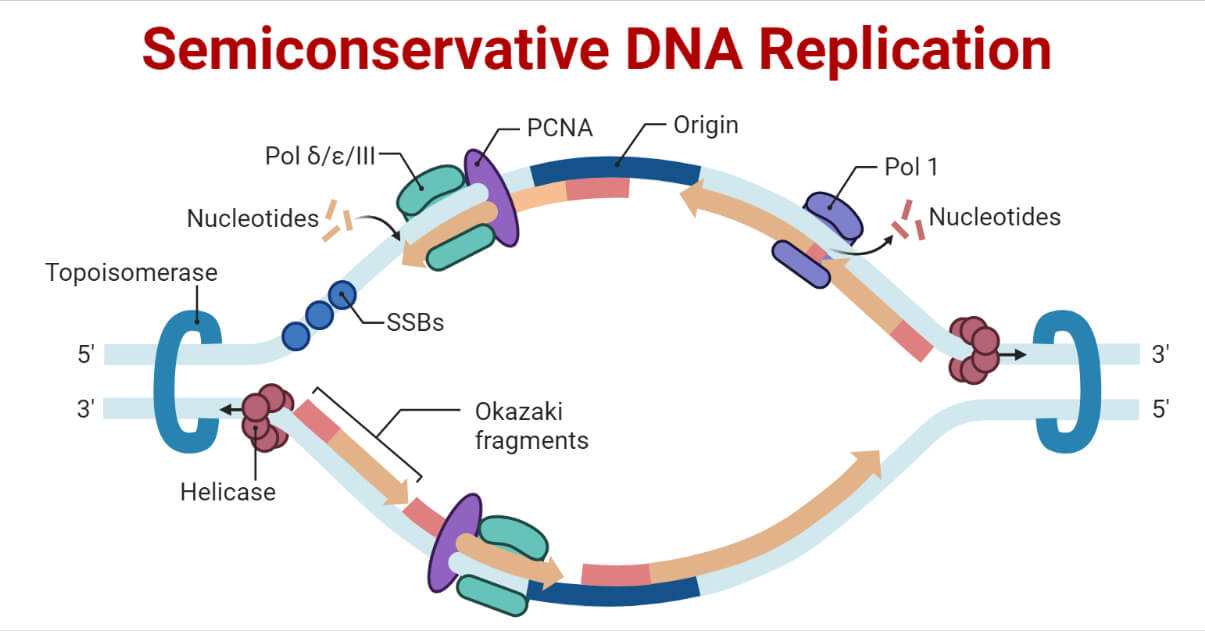
Here’s a funny detail. The two old strands in your DNA are anti-parallel. That means one runs forward, the other backward. Copying them is like trying to read a book while standing on your head.
Your cell has to use different enzymes for each side. One side is “leading,” the other is “lagging.” The lagging side creates tiny chunks called Okazaki fragments. That sounds like a sushi roll, but it’s not.
These fragments get stitched together later. It’s messy, but it works. And because the old strand is always there, the machine can correct mistakes instantly.