
What Does Al Dente Mean
We’ve all been there. You’re at a nice Italian restaurant, and your friend takes a bite of pasta, closes their eyes, and murmurs, “Perfectly al dente.” You nod along, but insi...
We’ve all been there. You’re at a nice Italian restaurant, and your friend takes a bite of pasta, closes their eyes, and murmurs, “Perfectly al dente.” You nod along, but inside you’re thinking, “Is that a good thing? Did they just compliment the pasta for being… tough?” It’s a fancy little phrase, but it’s actually the secret to making your pasta taste like a hug from your grandmother. Let’s break it down, no chef’s hat required.
So, what does al dente actually mean? In Italian, it translates to “to the tooth.” Imagine biting into a perfectly ripe apple: there’s a little give, then a firm snap. Al dente pasta is the same idea. It’s not mushy or soft like baby food. It’s cooked just enough to be tender, but it still has a tiny, pleasant resistance when you chew it. Think of it as the pasta version of a good handshake—not too limp, not too crushing.
Why should you, a busy person who just wants dinner on the table, care about this? Because al dente pasta changes everything. When you undercook it by that one magical minute, the pasta keeps its shape better. It won’t turn into a sad, sticky blob in your leftover container. You can toss it with sauce, and it won’t fall apart like a wet sandcastle. It’s the difference between a meal you inhale and a meal you savor.
Let me tell you a little story. Last Tuesday, I made spaghetti for my family. I was distracted, texting a friend, and I boiled the noodles for two extra minutes. The result? A plate of grayish, floppy worms. My son pushed it around his plate and said, “This feels like eating clouds… sad clouds.” He was right. The sauce slid right off, and we all felt a little cheated. That’s the tragedy of overcooked pasta: it loses its soul.
Now, let’s talk about the science behind the magic, but keep it simple. Pasta is made of flour and water, and when you cook it, the starch granules swell and soften. If you cook it too long, those granules burst, and the pasta becomes waterlogged. Al dente pasta is cooked just before that bursting point. The center is still slightly firm, which means your digestive system also has to work a bit—in a good way. It keeps your blood sugar from spiking like a rollercoaster. You feel full, not sluggish.
How do you get that perfect bite? Don’t trust the box time. Seriously. Grab a noodle with a fork about two minutes before the package says it’s done. Let it cool for a second, then bite into it. You’re looking for that tiny white dot in the center—the soul of the pasta. It should feel firm but not crunchy, like a good piece of al dente broccoli. When you see that dot, drain it immediately. The residual heat will finish the cooking.
 What Does Al Dente Mean In Italian | Detroit Chinatown
Here’s a relatable trick: Think of al dente as the “just right” Goldilocks moment. Goldilocks didn’t want porridge that was either rock-hard or a soupy mess. She wanted it with a bit of texture. That’s your pasta. When you nail it, you’ll feel like a kitchen wizard. Your sauce will cling to every ridge and spiral. Each forkful becomes an event, not an afterthought.
I remember my first time cooking penne for a date. I was so nervous I boiled it until it was practically paste. We ate it in silence, and the pasta stuck to the roof of my mouth like wallpaper. It was not romantic. The next time, I used a timer, tasted early, and pulled it at the right moment. She looked up and said, “Wow, this is actually good.” That’s the power of al dente. It makes you look like you know what you’re doing, even if you’re just winging it.
There’s also a wonderful practical benefit: al dente pasta holds up better in leftovers. Have you ever reheated spaghetti and found it turned into a gluey, sad lump? That’s overcooked pasta weeping. But al dente pasta? You can reheat it with a splash of water, and it bounces back like a champ. It’s the leftover hero you never knew you needed. You can meal prep on Sunday and still have decent pasta on Wednesday. That’s a win in my book.
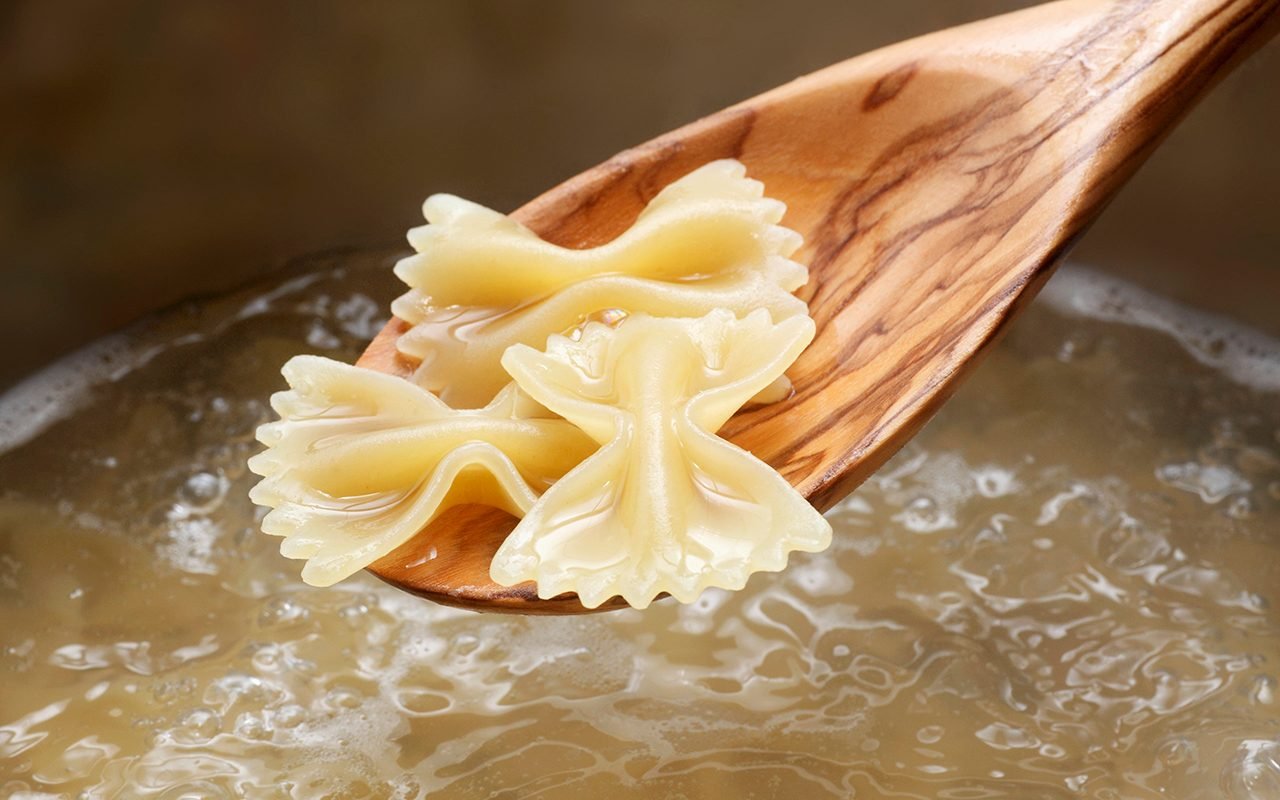 What Does Al Dente Mean? We'll Break It Down I Taste of Home
Now, let’s address the elephant in the room: what if you like it softer? That’s okay. No pasta police will break down your door. But try al dente once with a good sauce. Take a big bite and pay attention. Feel that gentle chew? That’s the pasta singing. It’s the difference between eating fuel and eating joy. You deserve joy, even on a Tuesday night when you’re just trying to feed the kids.
One last thing: practice makes perfect. You might mess up a few times. That’s how you learn. Next time you boil water, set a timer for one minute less than the box says. Taste it like a food critic. If it’s too hard, cook another 30 seconds. If it’s perfect, pat yourself on the back. You’ve just leveled up your cooking game. Your pasta will thank you, your sauce will thank you, and your taste buds will throw a little party.
So, what does al dente mean? It means respecting the noodle. It means giving your meal a little backbone. It’s the tiny secret that turns a bowl of carbs into an experience. Next time you’re at that restaurant, you can nod confidently and say, “Yes, perfectly al dente.” And you’ll mean it. Now go boil some water—you’ve got a date with some firm, happy pasta.

