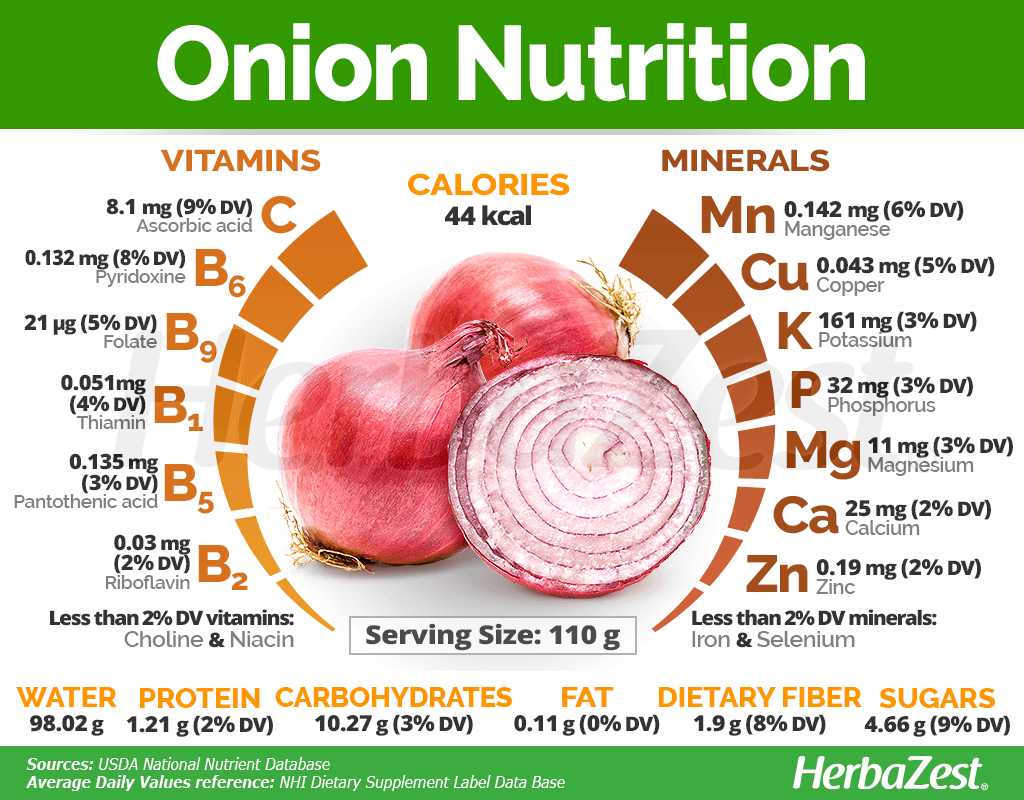
Yes, your humble kitchen staple is packing sugar. And not just a suspicious whisper of it—we’re talking real, natural sugars. The main players here are glucose, fructose, and sucrose—the same stuff that makes your apple or carrot taste sweet.
A medium-sized onion contains about 6 to 7 grams of sugar. To put that in perspective, a teaspoon of granulated sugar is about 4 grams. So yes, you’re getting nearly two teaspoons of sugar in a single onion. Mind blown yet? Don’t panic; it’s not like you’re eating candy. This is a whole food, which comes with fiber, water, and a thousand other compounds that change the game entirely.
But here’s the kicker: the sugar content varies wildly depending on the type of onion. That sharp white onion you hate? Lower sugar. That sweet Vidalia you love raw on burgers? It’s basically the dessert of the onion world. See? I told you.
Why Don’t We Taste It Directly? The Sneaky Chemistry
Great question! If you just bit into a raw white onion, you’re not thinking, “Mmm, sweet.” You’re thinking, “Ouch, my sinuses are under attack.” The pungent sulfur compounds—the ones that make you cry—completely overpower the sugar’s voice. It’s like a heavy metal band drowning out a delicate acoustic guitar.
But cooking changes everything. Heat breaks down those harsh sulfur compounds into milder, sweeter versions. At the same time, the long chains of starch in the onion break down into simple sugars. That’s why caramelized onions are practically jam. You’re literally coaxing the sugar out and letting it shine.
So no, your onion isn’t trying to trick you. It’s just a complex character that hides its sweetness behind a tough, tear-jerking exterior. Sound like anyone you know?