
The origin? In 1920s New York, a con man named George C. Parker allegedly tried to “sell” the Brooklyn Bridge to gullible tourists. More than once. And people fell for it. Why? Because they wanted to believe in a shortcut to glory—owning a landmark for pocket change. Sound familiar?
We all have moments where we want the miracle deal, the instant fix. You know what I mean— that email promising millions from a Nigerian prince, or the “secret” diet that works overnight. The bridge story is a delightful reminder to pause and ask: “Is this real, or is my excitement playing tricks on me?”
Turning Skepticism Into a Game
Here’s where it gets fun. Instead of dreading being fooled, treat it like a detective game. Next time someone pitches you a wild opportunity, smile and think: “I’ve got my bridge-detective hat on now.” What are the clues? Does the seller rush you? Is the story too shiny? This isn’t about paranoia—it’s about sharpening your inner ninja.
And honestly? The best part is that you’ll never get bored. Life becomes a tapestry of little puzzles. That real estate ad that sounds like heaven? Maybe it’s a bridge—or maybe it’s a beautiful fixer-upper. The joy is in figuring it out.
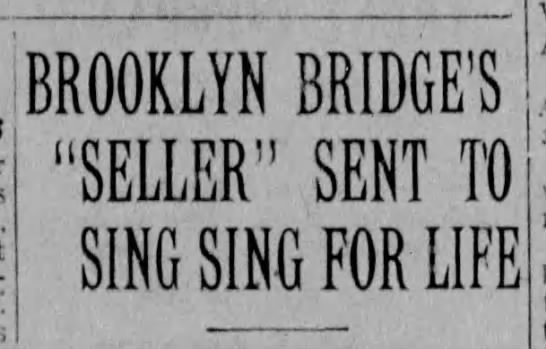 ‘I’ve Got a Bridge to Sell You’: The Con Artist Who Peddled the

