
Of course, there are times when only the real thing will do. A crunchy onion ring? A crisp slice on a burger? That’s fresh onion’s territory, and I respect that. You can’t replicate that juicy crunch with a dried flake, and you shouldn’t try.
But for a stew, a gravy, a meatloaf, or a pan of roasted veggies, fresh onion is often just a watery nuisance. It browns, it burns, it gets mushy. Minced onion, on the other hand, gives you concentrated flavor without the fuss.
Think of it like the difference between a fresh apple and a dried apple chip. Both are apples, but one lasts forever and the other is a ticking clock. Minced onion is your pantry’s reliable friend that never goes bad.
A tiny spoonful, a giant upgrade
I started adding just a tablespoon of minced onion to my scrambled eggs. Now I can’t make them without it. It dissolves into the soft curds and leaves behind this gentle, savory sweetness that feels like a real breakfast.
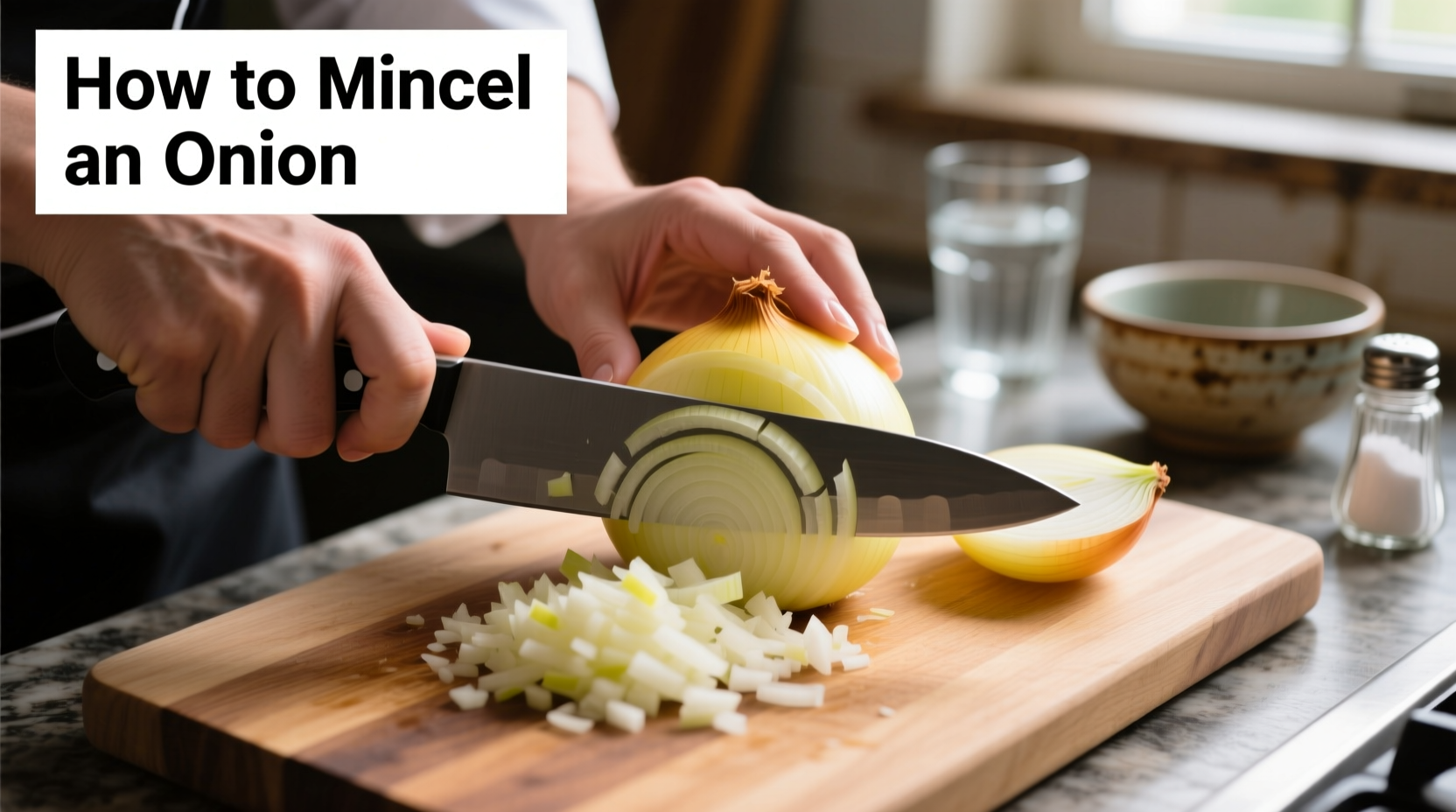 Minced Onion: Definition, Uses, and How to Make It
Same with homemade salad dressing. A shake of minced onion, some vinegar, and oil—it’s suddenly “fancy” dressing, even though it took ten seconds. Who needs a restaurant secret when you have a jar in your cupboard?
And here’s the kicker: because it’s dried, a little goes a long way. A whole jar costs less than a dollar and lasts for months. That’s cheap kitchen magic.

