This is where you get to be the hero of your own dinner party. A bone-in rib roast (also called a standing rib roast) looks like a scene from a medieval feast. The bones act as a natural roasting rack and add extra flavor.
A boneless rib roast is easier to carve and takes up less room in your oven. However, you lose that “wow” factor of presenting a dinosaur-like bone at the table. My advice? Go bone-in. It’s more impressive, and you can gnaw on the bones afterwards like a happy caveperson.
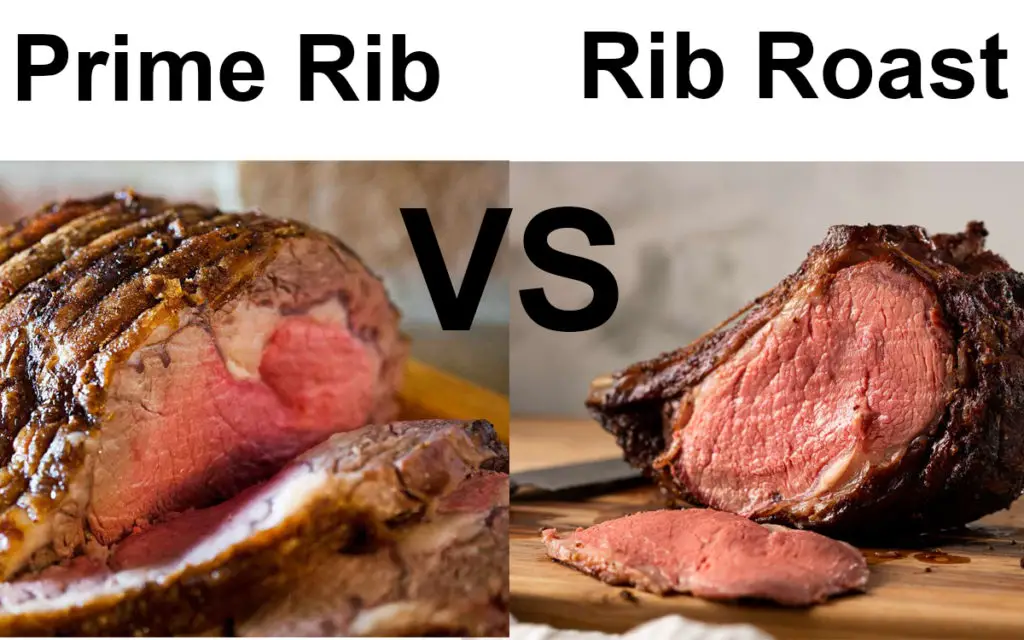 Rib Eye Roast Vs Prime Rib Roast at Kenton Williams blog
Just make sure your butcher cuts the chine bone loose for you. It’s the big spine part that makes carving a nightmare. You want to be a cook, not a lumberjack.
Cooking: The Low and Slow Magic
Here’s the no-fail method that makes you look like a genius. First, bring your roast to room temperature for about two hours. This isn’t a suggestion; it’s a commandment. A cold roast cooks unevenly, which is a tragedy.
Season it like you mean it. Kosher salt, black pepper, maybe some garlic and rosemary. Don’t be shy—most of it falls off anyway. Then, roast it at a low temp (about 225°F or 107°C) until the internal temp hits about 120°F for rare, or 130°F for medium-rare.
Here’s the punchline: crank up the heat to 500°F for the last 10–15 minutes. This creates a glorious, crunchy crust that shatters when you slice it. It’s the beef equivalent of a perfect sun tan.