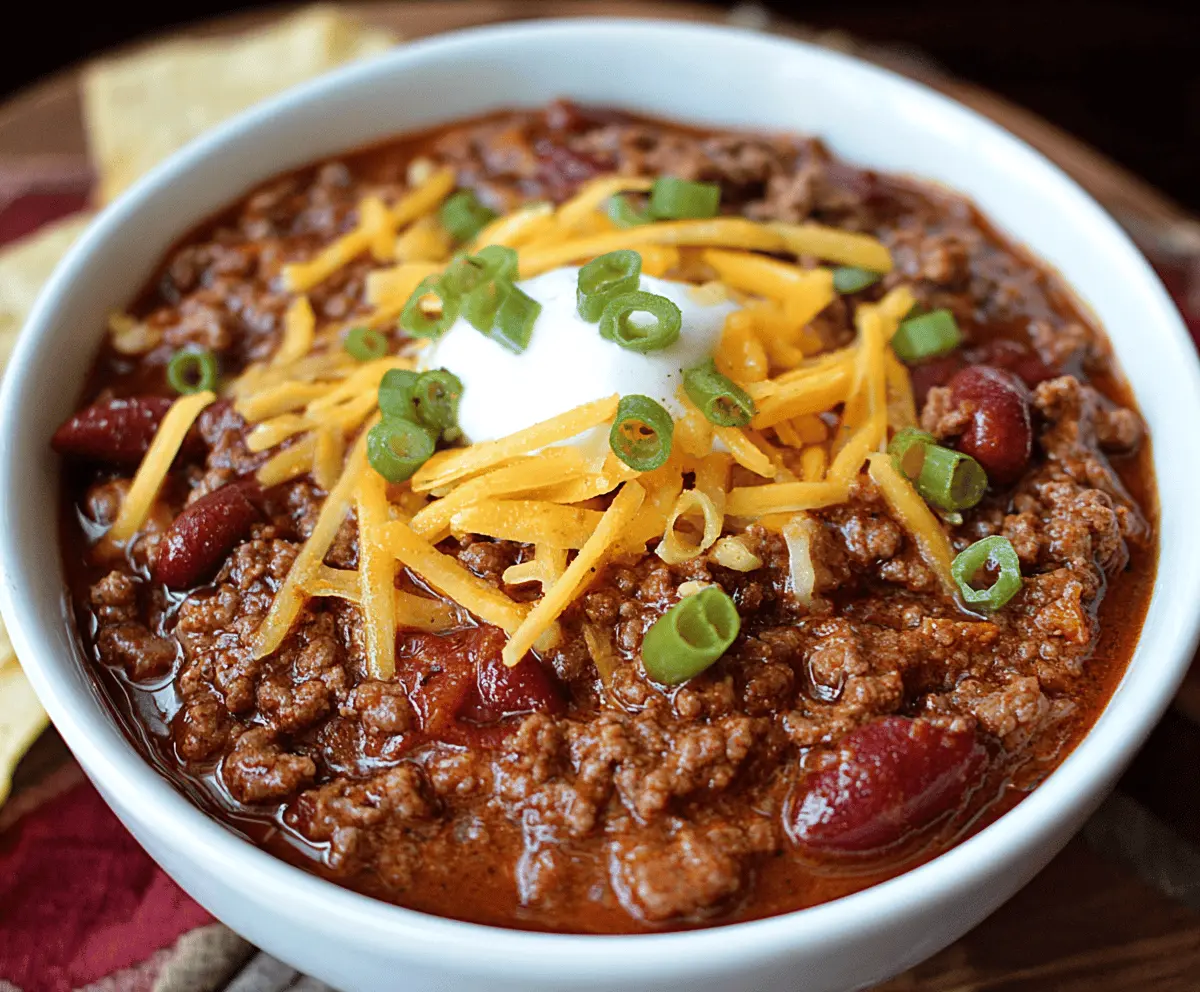
Think of ground beef as the heart of your chili. If you pick a bland, watery, or too-fatty option, your chili will taste like a soggy apology. The goal is rich, beefy flavor that hugs every bean and pepper in the pot. So let’s get choosy, shall we?
The fat content fiasco: 80/20 vs. 90/10 vs. something else
You’ll see numbers like 80/20 (80% lean, 20% fat) or 90/10 on the package. Don’t panic—this is easier than math class. For chili, 80/20 is the classic crowd-pleaser because the fat brings flavor and keeps the meat tender. But here’s the catch: you must drain the excess grease after browning, or your chili will float in a slick of oil. (Nobody wants a pool party in their bowl.)
85/15 is the sweet spot for many chili lovers. It’s lean enough to avoid grease overload but still juicy enough to feel indulgent. If you’re using a leaner blend like 93/7 or ground sirloin, you’ll need to add a little olive oil or bacon fat during cooking. Otherwise, you’ll end up with crumbly, dry meat that tastes like a sad meatball without a hug.
Grass-fed vs. grain-fed: The beef debate
Grass-fed beef is trendy, and it’s great for the planet—but for chili? It can be too lean and a bit gamey. If you go this route, mix it with a fattier grind like 80/20, or add extra spices. Grain-fed beef tends to be milder and more consistent, which is perfect for a big pot of chili. My vote? Stick with grain-fed for your first few batches, then experiment once you’ve got a winning recipe.

